
Stanford Protesters Face Serious Charges After Disruptive Occupation of University Offices
Eleven demonstrators who seized the president’s office at Stanford University plead not guilty to felony charges amid concerns over secret grand jury proceedings and substantial property damage.
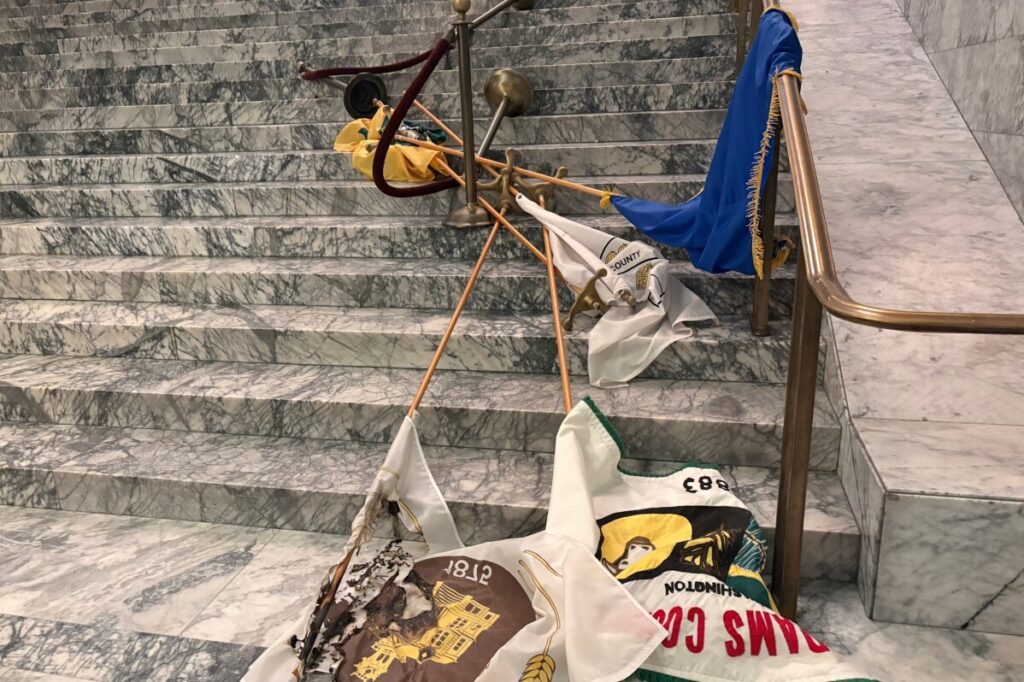
In a troubling display of lawlessness cloaked in protest, eleven pro-Palestinian activists stand charged with felony vandalism and conspiracy following their disruptive occupation of Stanford University’s president office building last June. The defendants—comprised of current and former students—have pleaded not guilty for the second time as legal proceedings intensify.
When Protest Crosses Into Criminality
The episode unfolded on June 5, 2024, when the group barricaded themselves inside the building amid chants demanding freedom for Palestine. Their actions went beyond free speech: they inflicted hundreds of thousands of dollars in damages, spray-painting walls, shattering windows and furniture, disabling security equipment, and scattering fake blood throughout the premises.
Such behavior undermines campus order and national respect for private property—a core American value tied to individual liberty and economic prosperity. How long will universities tolerate such flagrant disrespect under the guise of activism?
Justice Moves Forward Despite Attempts to Obscure
The case’s progress reveals concerning attempts to obscure accountability. Defense attorneys sought preliminary hearings where evidence could be publicly challenged; prosecutors bypassed this by securing a secret grand jury indictment. This tactic raises questions about transparency in protecting our justice system’s fairness.
Santa Clara County District Attorney Jeff Rosen declared readiness for trial by November 17. Meanwhile, one defendant has already taken a plea under deferred judgment by cooperating with prosecutors—a sign that justice is making headway despite efforts to obfuscate.
This incident in Silicon Valley echoes broader challenges facing America: balancing constitutional rights with rule-of-law enforcement, especially when foreign conflicts become flashpoints on our campuses. National sovereignty requires that disruptions threatening internal stability be met firmly—not ignored amidst political correctness.
Stanford’s failure to prevent—and then adequately discipline—such destructive acts sends a troubling message that certain protesters operate above consequences. True respect for freedom includes respecting others’ rights and property.
For families and taxpayers footing the bill for repairs, this is more than an isolated campus protest—it is emblematic of declining civic responsibility affecting communities nationwide.