
Sri Lanka Flood Crisis Exposes Global Disaster Response Failures, Risks Regional Instability
Sri Lanka’s catastrophic floods have claimed hundreds of lives and displaced over 190,000—a grim reminder that weak disaster preparedness and globalist apathy threaten security and stability far beyond their borders.
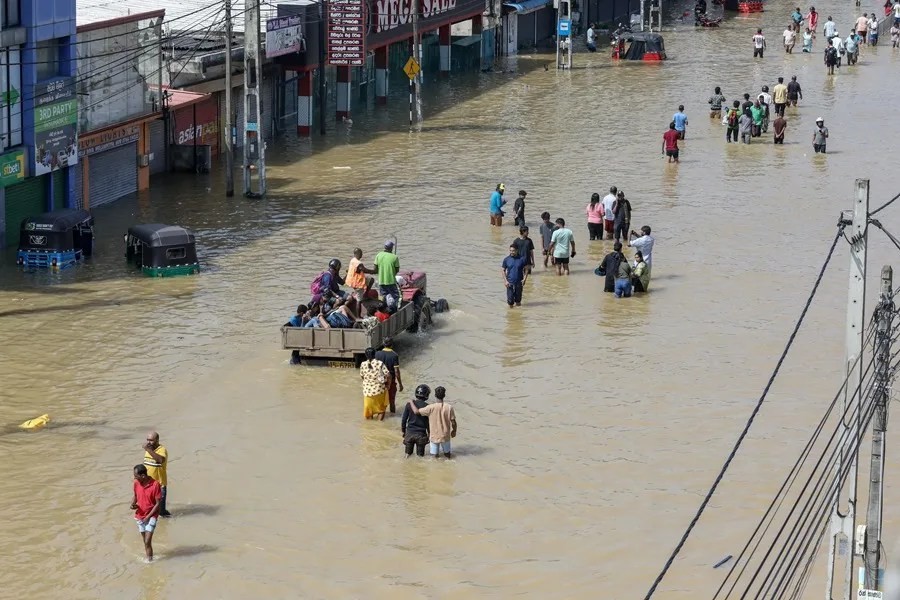
The devastating floods sweeping across Sri Lanka, now confirmed to have killed at least 334 people with more than 370 missing, represent not just a national tragedy but a failure of global preparedness that should alarm American policymakers.
For over a week, relentless rains fueled by Cyclone Ditwah have unleashed historic flooding and deadly landslides, isolating entire communities and forcing nearly 200,000 citizens from their homes. The Sri Lankan government has called this the worst natural disaster in recent memory—a statement that signals systemic shortcomings in infrastructure resilience and emergency response.
How Does This Catastrophe Undermine Regional Stability—and America’s Interests?
As the cyclone churns parallel to India’s southern coast and storms continue over the Bay of Bengal, this crisis is far from contained. Instability in South Asia risks creating refugee pressures, economic disruptions, and security vacuums—issues that will inevitably ripple toward America’s sphere through disrupted supply chains and increased migration flows.
Washington must ask itself: Are we doing enough to support sovereign nations like Sri Lanka in strengthening disaster readiness? Or are we neglecting these partnerships, leaving fertile ground for Chinese influence under the guise of aid—as seen with Beijing’s modest $100,000 donation through the Chinese Red Cross?
Accountability Is Key: Where Did Global Aid Fall Short?
The international community has mobilized some assistance—from India to Japan to the United States itself—but these efforts appear reactive rather than strategic. Sri Lanka’s president rightly appeals for unity and rapid rebuilding but admits the rescue operation is among the toughest ever undertaken. That it has come to this prompts scrutiny on whether current global frameworks adequately prioritize national sovereignty while building local capacity.
For hardworking Americans who value freedom and secure borders, overlooking how such disasters destabilize allied regions risks far-reaching consequences at home. This tragedy underscores a pressing need for America First policies that enhance proactive aid partnerships rooted in respect for sovereignty—not globalist handouts that compromise independence.
As you reflect on this unfolding calamity thousands of miles away, consider how reinforcing resilient nations aids our own security. How long will Washington ignore these lessons before it threatens American families through economic fallout or migration surges?