
Spirit Airlines’ Second Bankruptcy Signals Deeper Industry Struggles Amid Financial Mismanagement
Spirit Airlines’ return to bankruptcy protection exposes the vulnerabilities of ultra low-cost carriers and raises urgent questions about the sustainability of budget air travel in America’s post-pandemic economy.
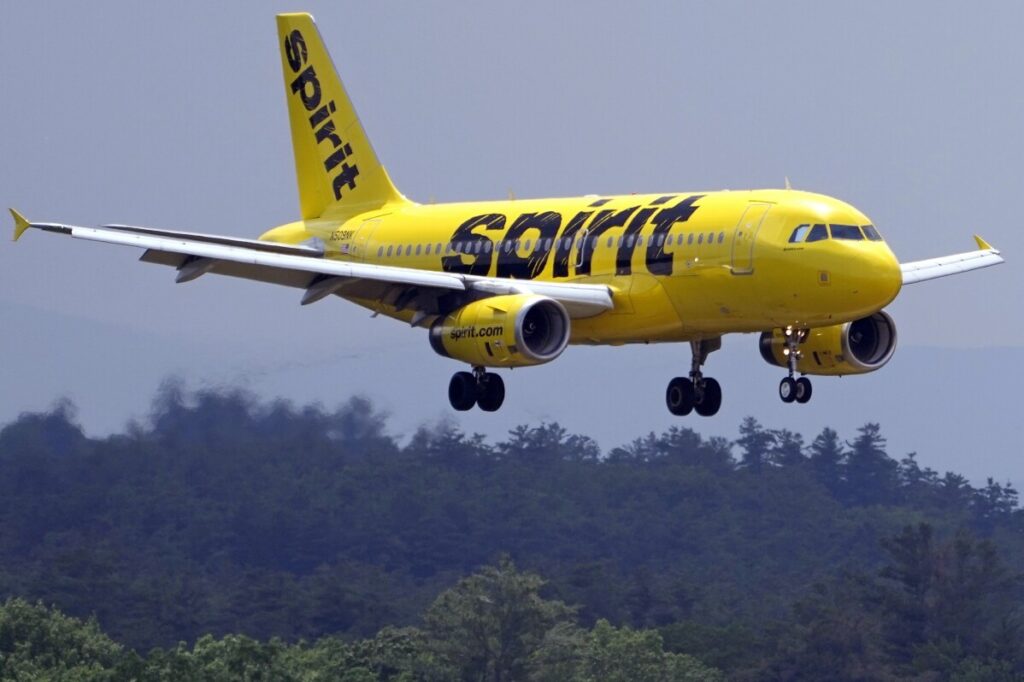
Once again, Spirit Airlines has plunged into Chapter 11 bankruptcy protection a mere months after emerging from its previous reorganization. This development is not just a corporate misstep; it lays bare the growing fragility of the American low-cost airline sector — a segment crucial to maintaining affordable air travel for everyday Americans.
The ultra low-cost carrier’s repeated filings underscore how rising operational costs, mounting debt, and fierce competition have driven an airline that promises budget-friendly flights dangerously close to collapse. With $2.4 billion in long-term debt and a reported negative free cash flow of $1 billion by mid-2023, Spirit’s financial instability threatens not only itself but also disrupts broader economic stability supporting millions of travelers nationwide.
Why Are America’s Budget Carriers Losing Altitude?
Spirit’s woes stem from more than just pandemic-related setbacks. The airline industry’s labyrinthine market pressures have grown fiercer as legacy carriers roll out their own discounted options, squeezing smaller players. Meanwhile, attempts by larger competitors like JetBlue and Frontier to acquire Spirit have failed, leaving the struggling company isolated amid financial turbulence.
This latest bankruptcy filing reveals how past restructurings fell short of delivering lasting solutions. CEO Dave Davis admits that despite efforts to cut costs — including furloughing pilots and downgrading ranks — “much more work needs to be done.” But can deeper debt restructuring alone restore Spirit’s competitiveness without jeopardizing employees or service quality?
What Does This Mean for American Travelers and National Interests?
While Spirit vows to continue operations uninterrupted during its restructuring, flight attendants’ unions caution staff to brace for uncertain outcomes. For American families already grappling with inflationary pressures on travel budgets, another faltering budget carrier translates into fewer affordable options and potential disruptions.
From an America First viewpoint, this episode spotlights the need for stronger domestic aviation policies that foster genuine economic liberty and sustainable competition—without overreliance on bankruptcies or unstable business practices. Protecting our national sovereignty includes securing reliable transportation networks vital to commerce and mobility.
Moreover, Spirit’s financial struggles highlight how globalist-driven market dynamics can undermine homegrown enterprises unless robust oversight ensures they are run prudently in service of American consumers—not speculative investors chasing short-term gains.
The question remains: how long will Washington tolerate such instability in critical industries before stepping up with common-sense reforms? For patriotic Americans who value freedom of movement without footloose companies imperiling their plans, these failures demand accountability now.