
Spanish Field Hospital Highlights Gaps in Jamaica’s Disaster Preparedness and US Regional Security Interests
As Hurricane Melissa decimated Jamaica’s medical infrastructure, a Spanish field hospital has stepped in to fill the critical gap—revealing alarming vulnerabilities in regional disaster preparedness that directly impact American security interests.
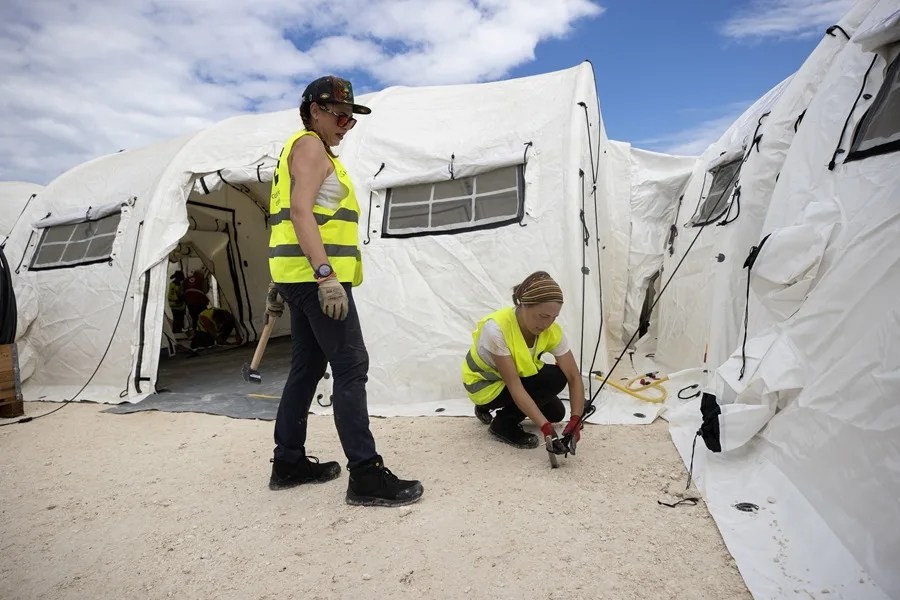
When Hurricane Melissa slammed into Jamaica as a Category 5 storm, the destruction it left behind was swift and merciless. The regional hospital in Falmouth, once serving over a hundred patients daily, now lies crippled—its roof torn off, surgical wards destroyed. With local facilities incapacitated, healthcare for thousands hangs by a thread.
Is this the regional safety net America expects from its neighbors?
In response, Spain dispatched a field hospital staffed with over 70 volunteers—including doctors, firefighters, and logisticians—to provide emergency care just outside Falmouth’s damaged medical center. This mission aims to bridge the urgent gap until Jamaica can rebuild its infrastructure.
While Spain’s humanitarian aid deserves recognition for its immediacy and scope, the broader picture is troubling for America’s national interest. Jamaica’s fragile healthcare system, laid bare by natural disasters like Melissa—which caused at least 32 deaths and billions in damages—exemplifies the growing instability in our hemisphere. When our neighbors lack resilience against crises, it triggers ripple effects through migration flows, economic disruption, and even opens pathways for adversarial influence.
Why is Washington not leading on regional disaster readiness?
The Jamaican government requested assistance via the World Health Organization—but where is direct American leadership? Instead, allied nations step forward while America risks ceding influence amid growing competition from global powers eager to fill aid vacuums.
The deployed Spanish field hospital operates with level-2 emergency capabilities: surgical interventions, pediatric care, psychology services—all vital for post-disaster recovery. Yet relying on external actors underscores Jamaica’s limited capacity and raises questions about our own southern border’s vulnerability should similar disasters drive increased migration pressures.
This situation calls for an urgent reassessment of America’s commitment to hemispheric stability through robust support for disaster resilience and healthcare infrastructure in key partner nations like Jamaica. Without such foresight grounded in national sovereignty principles, we risk reactive band-aid solutions rather than proactive safeguards aligned with common-sense conservatism.
How long will Washington remain passive while allies step up? For hardworking Americans demanding secure borders and prosperous communities free from avoidable external shocks, this is no abstract foreign story—it is a matter of homeland security.