
South Korea’s Push for Military Independence Reveals Cracks in U.S. Security Commitments
As South Korea ramps up defense spending for high-tech weapons, doubts grow over America’s willingness to uphold its security promises under Trump’s America-first agenda.
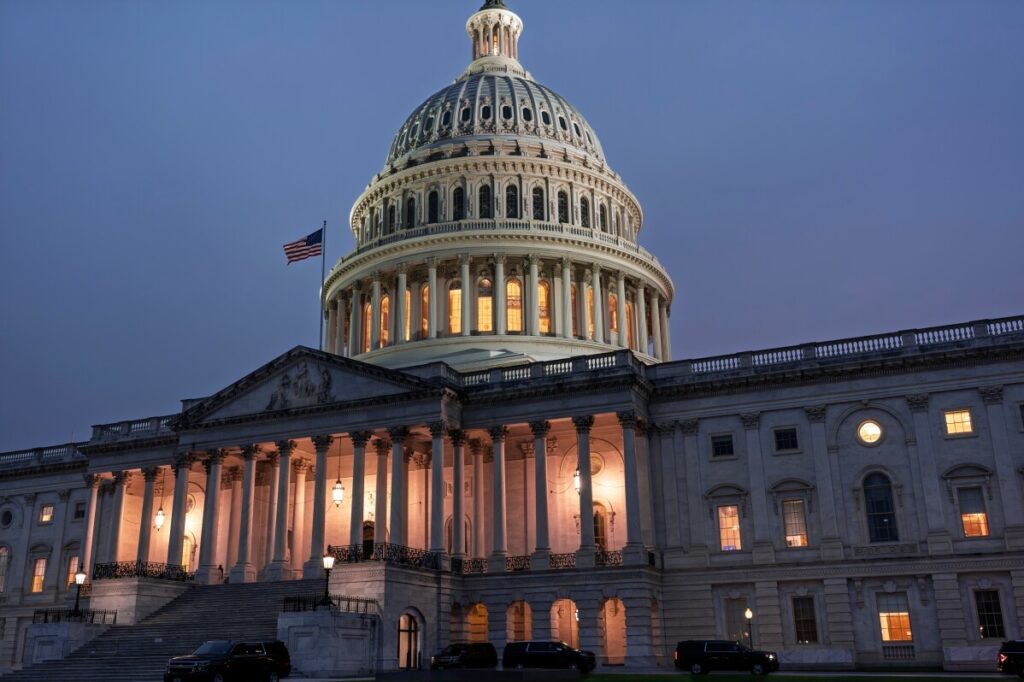
In a clear signal that the traditional pillars of American-led security are showing signs of strain, South Korea’s President Lee Jae Myung announced an ambitious plan to strengthen his nation’s military independence. This move comes amid mounting skepticism about the reliability of the United States’ commitment to defend its key Asian ally under former President Donald Trump’s America-first approach.
When Allies Must Shoulder More: What Does America’s Withdrawal Mean?
President Lee’s vow to increase South Korea’s defense budget by over 8% next year to field advanced technologies like AI combat robots, autonomous drones, and precision missile systems is more than an upgrade—it is a wake-up call. For decades, the U.S. has been the guarantor of peace on the Korean Peninsula, with some 28,500 troops stationed there and a nuclear umbrella shielding Seoul from North Korean aggression.
But how secure is that guarantee when Washington openly questions its role and demands higher payments for maintaining forces abroad? The transactional lens through which Trump viewed alliances has sown seeds of doubt in Seoul. Would Washington really retreat or reduce military presence to pivot towards China? Such uncertainty forces South Korea into a difficult choice: cling to a faltering partnership or build self-reliance at great cost.
National Sovereignty Demands Self-Reliance—Is America Ready?
President Lee’s rhetoric on moving toward “a strong, self-reliant defense” echoes fundamental American values—national sovereignty and freedom from excessive dependence. Yet this shift also exposes cracks in the framework that kept regional peace for decades. The planned transfer of wartime operational control from U.S. generals to South Korean command symbolizes both progress and potential peril: progress for Korean autonomy; peril if it weakens alliance cohesion.
Elbridge Colby, Trump’s former Under Secretary of Defense for Policy, acknowledged at his Senate confirmation hearing that South Korea must be prepared to bear overwhelming responsibility against threats from North Korea—and implicitly China—due to limitations in American military capacity and focus.
This strategic recalibration prompts tough questions for the America First movement moving forward: Can the U.S. balance protecting allies while safeguarding taxpayers’ dollars? Can it uphold deterrence without costly overstretch? The answer lies in renewing commitments based on shared interests and unwavering resolve rather than transactional bargains.
For hardworking Americans who rightly expect their government to protect national interests without diluting alliances critical for global stability, this episode should be a cautionary tale. When trusted partnerships erode, freedom-loving nations like South Korea must adapt or face vulnerability—a warning shot about what happens when short-term politics trump long-term strategy.