
Solar ‘Mamas’ Illuminate Zanzibar Amidst Dependency on Foreign Aid and Local Resistance
Zanzibar’s solar mamas bring vital electricity to rural homes, but face mounting challenges from donor cuts and cultural resistance—exposing the fragile state of development aid and local empowerment efforts.
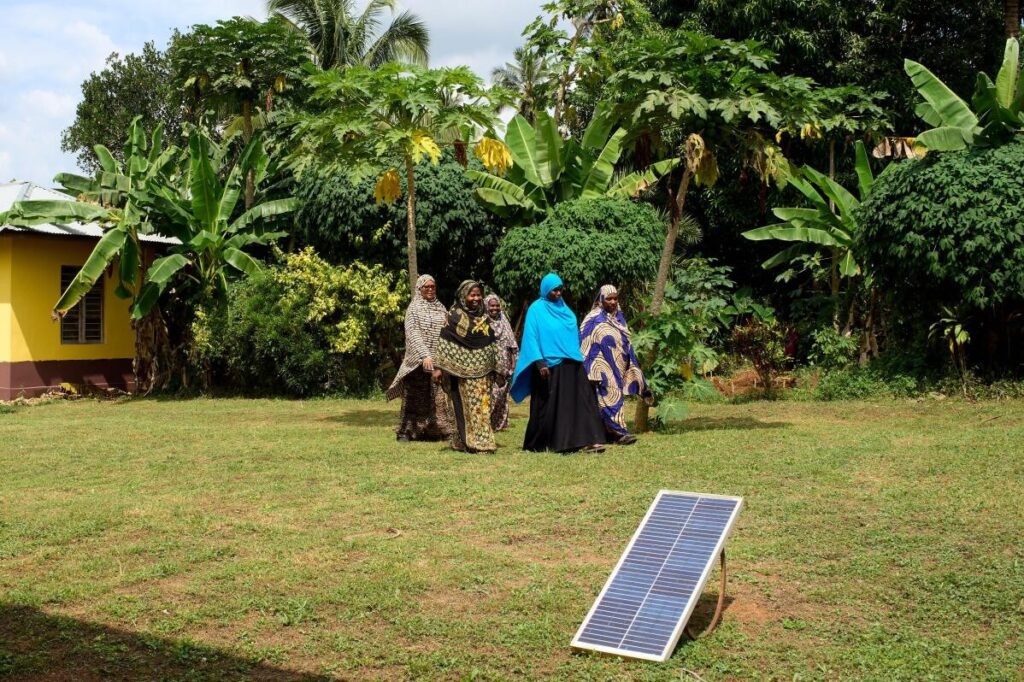
In Zanzibar, a region where half the population lives in darkness after sundown, a remarkable grassroots initiative is attempting to rewrite both energy access and gender roles. The Barefoot College International program has trained dozens of local women, dubbed “solar mamas,” to install and maintain solar panels in off-grid villages. These women are not only lighting homes formerly dependent on hazardous kerosene lamps but also stepping into roles traditionally reserved for men.
Why Does America’s Withdrawal From Global Aid Matter Here?
This story unfolds against a backdrop that should concern American taxpayers. Key donors—including the United States—are scaling back foreign aid amid rising geopolitical tensions and domestic priorities. Without steady funding, programs like Barefoot College’s face an uphill battle to sustain progress in some of Africa’s most underserved communities.
For hardworking Americans debating where their tax dollars best serve national interests, it is crucial to ask: How effective are these foreign aid projects when they depend largely on uncertain funding streams? And how do they align with America First principles emphasizing sovereignty and robust border security?
Challenges Beyond the Solar Panels
The solar mamas confront more than just financial uncertainty. Cultural resistance remains strong. In societies where women are expected primarily to tend home and children, husbands sometimes forbid their wives from training as technicians — despite village leadership endorsement. The struggle here reflects a broader tension between tradition and progress.
Yet the results speak volumes: reduced household hazards from kerosene use, improved health outcomes from cleaner indoor air, and sustainable jobs empowering middle-aged women long overlooked by formal education systems.
One former unemployed widow turned master trainer now serves as a beacon for change—transforming skepticism into respect through tangible contributions.
While these developments are promising locally, Washington must consider strategic priorities carefully. Unconditional reliance on foreign aid without linking projects to regional stability or economic opportunity risks perpetuating dependency rather than fostering true sovereignty.
This reality demands rigorous scrutiny of which international initiatives receive support—and whether those investments ultimately safeguard American interests by promoting stable trading partners rather than unsustainable dependencies.
Can we afford to ignore lessons from Zanzibar—the costs of gaps in infrastructure, governance challenges, and shifting donor priorities—while managing complex immigration pressures at our own borders?