
Software Glitch on Airbus A320 Exposes Vulnerabilities in Aviation Safety Protocols
A software flaw linked to intense solar radiation forced global airlines to ground and update over 500 Airbus A320 aircraft, revealing dangerous gaps in aviation cybersecurity and regulatory oversight that directly impact American travelers.
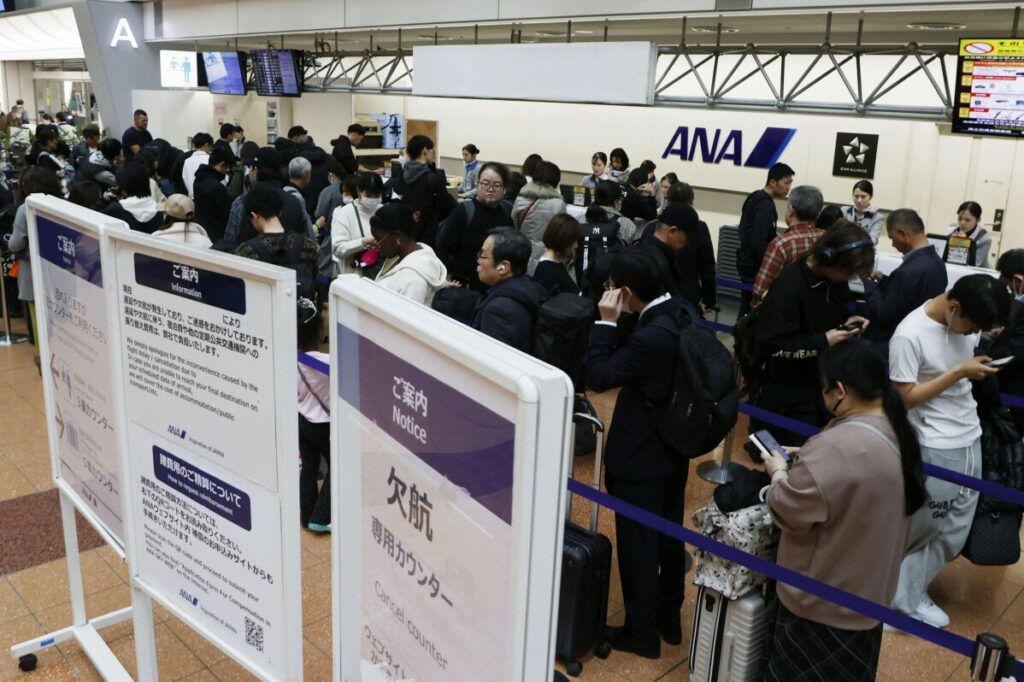
As families were returning from the Thanksgiving holiday, more than 500 U.S.-registered Airbus A320 family planes—and many worldwide—faced sudden groundings and flight disruptions due to a critical software vulnerability. This urgency stems from an October JetBlue incident where a plane experienced a sudden altitude drop, injuring passengers and forcing an emergency diversion. The culprit? Faulty onboard computer code susceptible to corruption by intense solar radiation.
How Did a Software Update Jeopardize Passenger Safety?
The Federal Aviation Administration (FAA) and the European Union Aviation Safety Agency have mandated urgent software patches after Airbus acknowledged that recent updates inadvertently introduced this vulnerability. While regulators promise swift fixes, the timing was disastrous for airlines and travelers alike. American Airlines reported over 200 affected planes out of its nearly 500 Airbus fleet, with other global carriers like All Nippon Airways canceling dozens of flights.
This is not just a technical glitch; it’s a glaring example of how reliance on complex software without rigorous safeguards can imperil national transportation security. Did regulators conduct thorough testing before approving these updates? Were airline operators sufficiently warned about potential risks? The lack of foresight endangers millions of Americans who depend on safe, reliable air travel every day.
Why America Must Demand Stronger Oversight Over Aviation Technology
With Airbus based in Europe—and facing competition with American manufacturer Boeing—this incident raises broader questions about America’s control over aviation safety standards amid increasing globalization of supply chains and technology. While international cooperation is necessary, safeguarding our skies requires that America prioritize sovereignty in setting uncompromising safety protocols free from bureaucratic delay or political influence.
Moreover, the FAA’s reactive stance highlights systemic weaknesses. How long will American travelers continue bearing risks from preventable software failures while agencies scramble to patch holes post-crisis? This episode underscores the urgent need for transparent accountability mechanisms demanding manufacturers like Airbus enforce the highest cybersecurity standards before aircraft ever take off.
The JetBlue incident should serve as a wake-up call rather than an isolated mishap. For hardworking Americans juggling higher costs and hectic schedules, flight safety must be non-negotiable—not another casualty of unchecked technological complexity.
Airline executives now face balancing operational demands against uncompromised safety amid tight schedules and capacity constraints. Yet true leadership means embracing rigorous standards regardless of inconvenience or expense. Past America First policies under President Trump prioritized technological independence and robust industry oversight—principles that remain vital today as we confront evolving threats in aviation and beyond.
The world’s most popular commercial aircraft family should never become synonymous with preventable danger or disruption to the American public it serves. How long will Washington tolerate complacency while global competitors dictate terms affecting our skies? It’s time for decisive action ensuring freedom to fly safely within sovereign borders.