
Shohei Ohtani’s Two-Way Feat Challenges MLB’s Specialization—and Washington’s Ignorance of True American Grit
Shohei Ohtani defies MLB’s rigid specialization, proving exceptional athleticism and versatility can thrive—if the establishment would let it. But will bureaucratic inertia and narrow-minded baseball elites stifle this rare American talent?
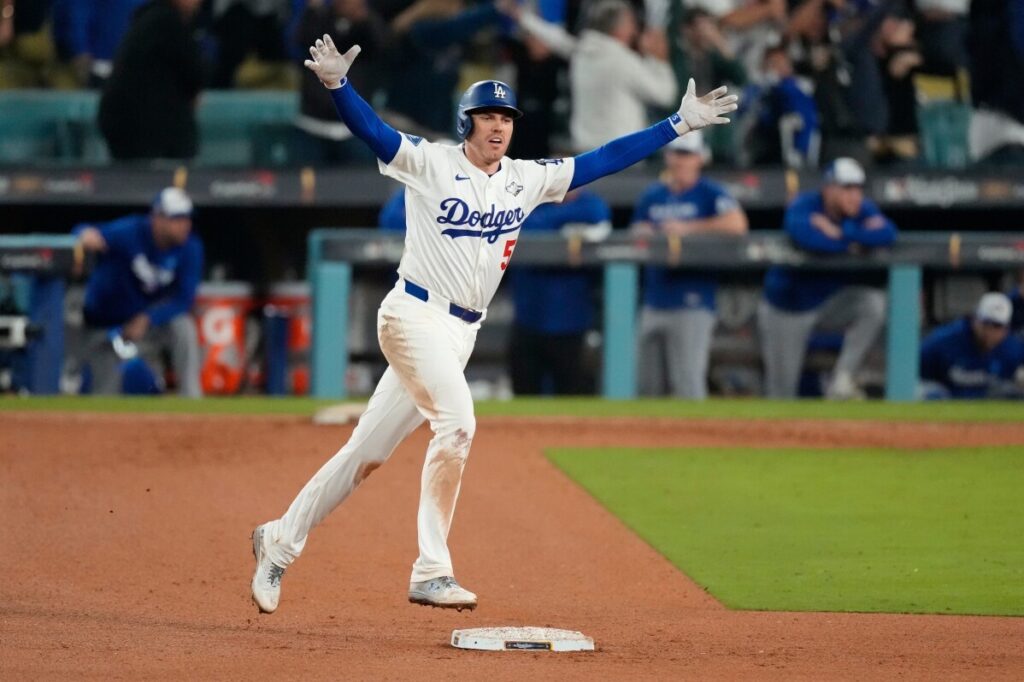
Shohei Ohtani stands alone in Major League Baseball history—a genuine two-way superstar excelling both on the mound and at bat. In an age when specialization is king and players are pigeonholed into single roles, Ohtani dares to break every mold. Yet his remarkable achievements raise a stark question: why does America’s pastime resist true athletic freedom?
Can America Embrace True Versatility or Are We Doomed to Bureaucratic Limits?
Ohtani’s extraordinary skill set—throwing blazing fastballs over 98 mph while launching towering home runs—defies conventional wisdom. His recent World Series performance, pitching in Game 4 less than a day after dazzling with multiple homers and tying an MLB record for reaching base nine times, reflects not just ability but relentless drive.
But teammates and league insiders warn that no one else can replicate this feat. Dodgers shortstop Mookie Betts bluntly reminds us: “Not everybody is Shohei Ohtani.” This truth reveals a sobering reality—the professional game has morphed into strict specialization where versatility is discouraged. The era of the multi-talented player is all but dead.
This myopic approach echoes broader institutional failures to foster individual liberty and innovation. Just as centralized policies throttle entrepreneurial freedom in our economy, rigid baseball structures suppress natural talent development. How long will America stand by while bureaucracy stifles greatness?
A Test of America First Values: Encouraging Excellence vs. Enforcing Conformity
Ohtani sets an example grounded in perseverance and frontier spirit, encouraging youth to pursue two-way play “as long as their talent could take them.” Yet without systemic support—from training regimens to team strategies—young athletes face near-impossible odds.
The game’s evolution into specialized roles mirrors globalist tendencies toward homogenization over individuality—a dangerous path away from national sovereignty even within cultural institutions like sports.
Contrast this with the Trump administration’s push for deregulation and empowerment of individual Americans; here lies a call for baseball to reclaim its roots as a field testing ground for freedom, versatility, and excellence.
Ohtani’s story is more than sports trivia; it is a metaphor for American resilience against conformity forces that threaten both our national pastimes and principles.
As fans witness this unparalleled player rewrite history nightly, they must ask: will MLB adapt or cling stubbornly to outdated conventions? Will Washington ever recognize that fostering true American grit requires breaking free from restrictive molds?
The time has come for all Americans—fans, players, and policymakers alike—to champion versatility as a core American value in sport and beyond. Shohei Ohtani proves greatness needs no permission slip; do we have the courage to follow his lead?