
Serbia’s Pride March Highlights Government Brutality Amidst Rising Authoritarianism
As Serbia’s authoritarian regime intensifies crackdown on dissent, a Pride march in Belgrade boldly condemns police brutality and supports student-led calls for accountability—exposing the heavy toll of political repression.
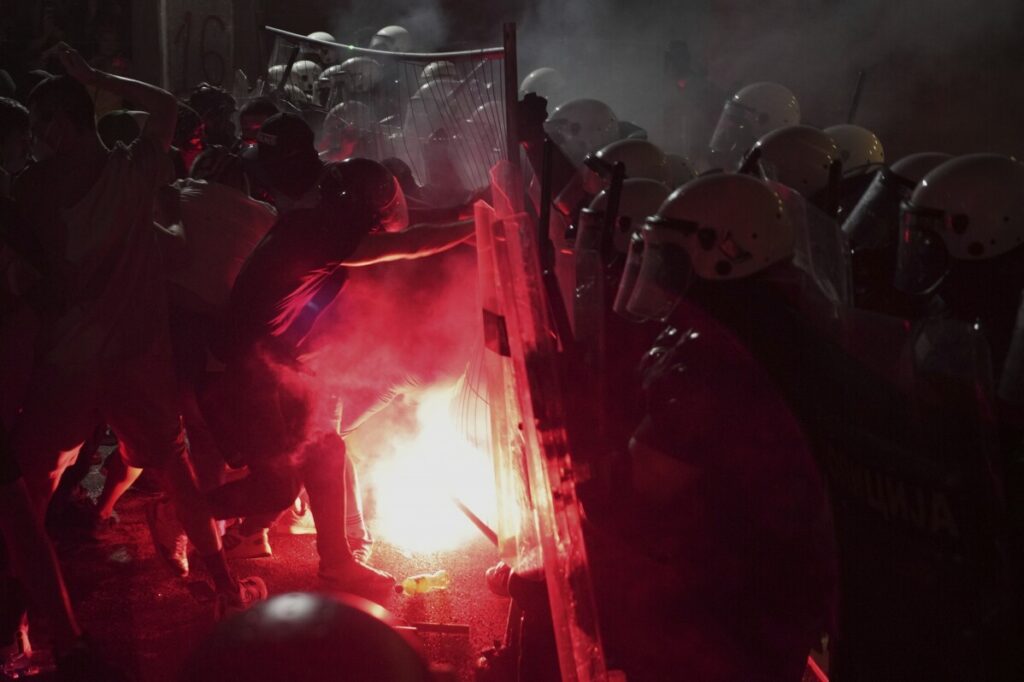
In the heart of Belgrade, Serbia’s capital, a somber Pride march ignited a powerful statement against the government’s escalating use of police violence to silence opposition. Far from a festival of celebration, the event stood as a stark reminder of months of student-led protests challenging populist President Aleksandar Vucic’s tightening grip on power.
Is This the Price of Defending National Sovereignty?
While many Western nations debate ideological battles detached from real-world consequences, Serbia faces a brutal reality: public servants turning their weapons on citizens demanding transparency and justice. The marchers’ banners declaring “Gays against police state!” and adopting slogans from ongoing anti-corruption demonstrations voiced a united front against an administration that rejects calls for snap elections and instead favors repression.
The protests began after a tragic collapse at a train station claimed 16 lives, revealing corruption at the highest levels of government. But rather than addressing these failures through accountability, Vucic’s regime has doubled down with severe crackdowns—firing educators sympathetic to protests and authorizing law enforcement incursions into university campuses.
What Does Police Brutality Say About Leadership?
Just days before the Pride event, reports surfaced of riot police deploying tear gas against peaceful university students in Novi Sad—a city far from Belgrade but emblematic of nationwide unrest. Authorities claim self-defense against masked agitators; witnesses describe an unprovoked onslaught against their own citizens exercising free speech and assembly.
This pattern reflects more than isolated incidents; it exposes governance disconnected from national sovereignty principles that protect individual liberties. For American patriots watching abroad, it serves as a cautionary tale: when leaders prioritize control over constitutional rights, societal stability erodes rapidly.
Meanwhile, the LGBTQ+ community in conservative Serbia faces routine harassment amid slow progress toward legal equality. Despite aspirations for European Union membership—which hinges in part on human rights improvements—the government remains hesitant to embrace reforms respecting freedom for all citizens.
The muted silence marking this year’s Pride march is no accident—it is the sound of resilience amid repression. It reminds us that defending liberty requires vigilance not only at home but by standing with those confronting authoritarianism worldwide.
How long will international institutions tolerate regimes that mask brutality under populist rhetoric? And what lessons must America learn to safeguard our freedoms before similar paths threaten our own shores?