
Saudi Arabia Draws a Firm Line: No Military Action Against Iran on Its Soil
Saudi Arabia refuses to let its airspace or land be used for attacks against Iran, challenging U.S. pressure and asserting regional sovereignty amid escalating tensions.
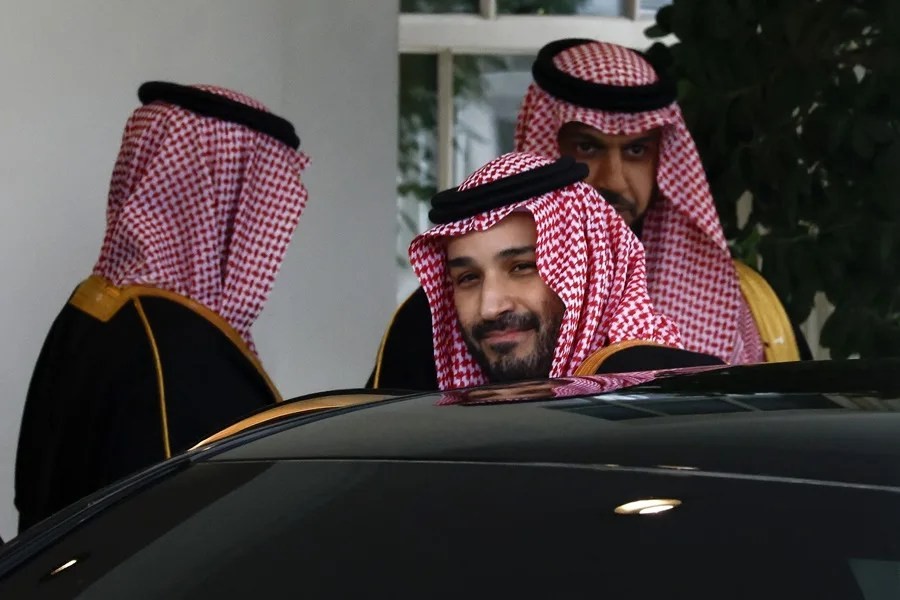
In a pivotal move underscoring the fragile balance of power in the Middle East, Saudi Arabia’s Crown Prince Mohamed bin Salman has categorically stated that his kingdom will not permit its territory or airspace to be used for military action against Iran. This declaration comes amid heightened tensions fueled by Washington’s increasingly hawkish stance toward Tehran.
The Crown Prince’s assertion came during a phone call with Iranian President Masud Pezeshkian, where Bin Salman emphasized Saudi Arabia’s respect for Iran’s sovereignty and its refusal to allow any attacks against Tehran launched from Saudi soil. The official Saudi press agency SPA highlighted the kingdom’s commitment to resolving disputes through dialogue rather than conflict.
Is Washington Losing Allies in Its Campaign Against Iran?
This development sends a clear message that some key U.S. allies in the Middle East are pushing back against America’s aggressive posture. Just as the United Arab Emirates has barred its territories and waters from being used for hostile actions against Iran, Riyadh’s stance signals a growing rift between U.S. ambitions and regional realities.
For American national interests, this is no trivial matter. Stability in the Gulf is critical not only for global energy markets but for safeguarding vital supply chains and preventing conflicts that could spill over into wider confrontations involving American forces. Yet, will repeated threats by the Trump administration—and now others—lead to reckless escalation without the backing of local partners?
A Call for Sovereignty and Dialogue Over War
Prince Mohammed’s insistence on respecting sovereignty aligns closely with America First principles: protecting national sovereignty abroad prevents unnecessary entanglements and preserves resources at home. His support for diplomatic solutions echoes what many Americans believe—that true security comes from stability and partnerships grounded in mutual respect, not unilateral aggression.
The Iranian side welcomed this openness to peace talks, with President Pezeshkian expressing readiness to engage constructively to avoid war—a stance that should give pause to those advocating confrontation as policy.
Meanwhile, Tehran has warned that any attack would provoke retaliatory strikes against all U.S. bases in the region—an ominous reminder of how quickly proxy conflicts can escalate into direct confrontations affecting American troops.
Americans must ask: How long will Washington pursue risky military posturing that alienates vital regional players? Can we not prioritize diplomacy anchored by respect, standing firmly on principles of freedom and sovereignty rather than endless intervention?