
Rubio’s Diplomatic Mission: Confronting Criminal Cartels and Chinese Influence in Latin America
As Marco Rubio heads to Mexico and Ecuador, the U.S. doubles down on fighting narcotrafficking, illegal immigration, and China’s expanding influence—critical moves to protect American sovereignty and security.
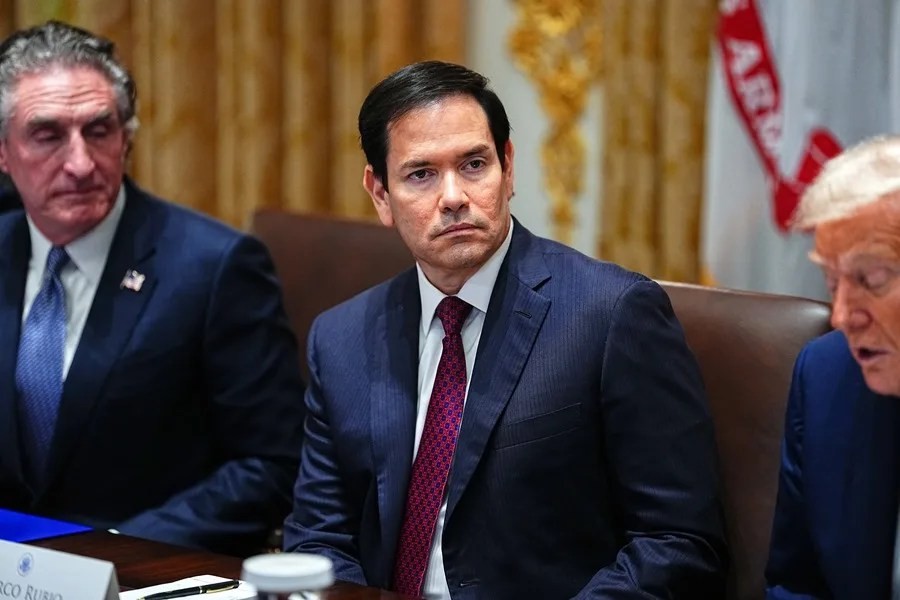
Next week, U.S. Secretary of State Marco Rubio embarks on a crucial mission to Mexico and Ecuador with a clear agenda: to confront transnational criminal networks threatening America’s borders while pushing back against China’s creeping influence in Latin America.
Why This Trip Matters for America’s Security
This visit is far from routine diplomacy—it represents a measured strategy rooted in protecting American families from the scourge of drug cartels like the Mexican syndicates and Venezuela-originated groups such as Tren de Aragua and the Cartel of the Suns. These criminal enterprises flood our streets with deadly fentanyl and undermine national security, demanding an urgent, coordinated response.
Rubio’s talks in Mexico seek to deepen bilateral cooperation under a new security framework aimed at cutting off arms flowing into Mexico that empower cartels, while choking the narcotics supply headed north. It’s an effort consistent with President Trump’s robust border policies that prioritized sovereignty by curbing illegal crossings—especially now as Mexican nationals represent the majority attempting illicit entry into the U.S., after deterrence policies discouraged other migrant flows.
Countering China: A Battle for Economic Sovereignty
In Ecuador, Rubio’s focus sharpens on counteracting China’s economic entanglements. Under prior leftist regimes like Rafael Correa’s administration, Ecuador fell deep into dependency on Beijing—an arrangement that threatens not only regional stability but also America’s strategic interests. The current Ecuadorian government seeking to renegotiate debt with China shows promise for restoring sovereign control over its economy.
The U.S. also remains alert to how Chinese goods moving through Mexico might bypass tariffs designed to protect American industries—a covert advantage undermining fair trade principles critical for domestic manufacturers and workers.
Rubio’s mission underscores how America must lead decisively in its own hemisphere—not bowing to globalist pressures but defending national integrity through concrete actions that safeguard borders, economic interests, and liberty.
As Washington escalates military presence in the Caribbean aimed at drug interdiction, these diplomatic efforts are more than symbolic; they directly support frontline operations that shield American communities from narcotics-related harm.
This trip asks us all: How long will Washington permit foreign powers or criminal cartels unchecked influence over our southern neighbors—and by extension our homeland? The answer lies in pragmatic partnerships driven by respect for sovereignty and shared commitment to rule of law principles.