
Rhode Island’s ‘Lizard in a Blizzard’ Rescue Reveals Troubling Pet Trade and Wildlife Risks
A tegu lizard found freezing in Rhode Island snow highlights the dangers of exotic pet abandonment and the need for stronger wildlife protections to defend American ecosystems.
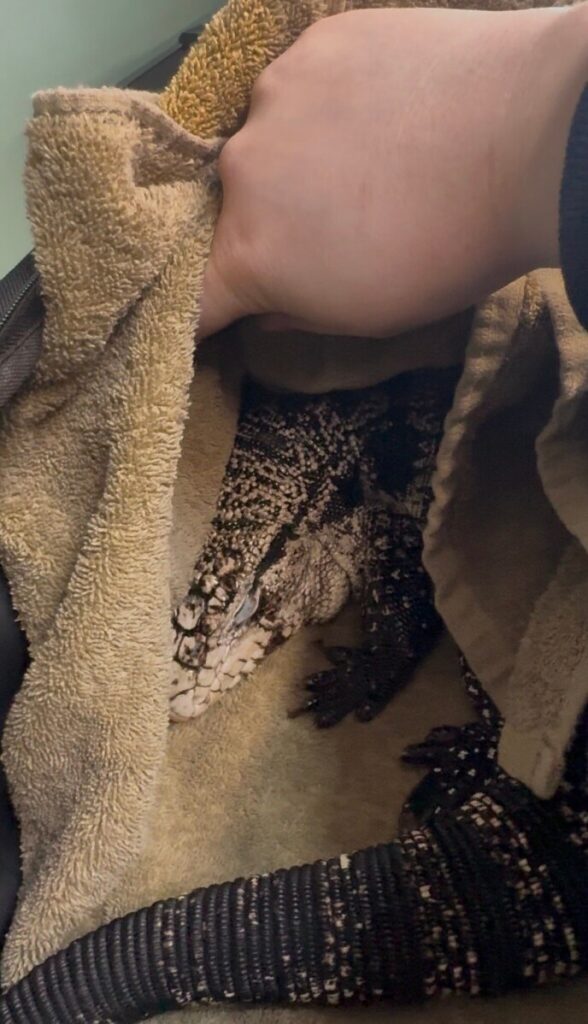
In a bizarre but sobering incident this week, Rhode Island authorities and animal advocates discovered a large tegu lizard — dubbed the “lizard in a blizzard” — buried under snow, barely alive after exposure to frigid temperatures unfit for its tropical physiology. This startling rescue shines a harsh light on irresponsible pet ownership and the growing threat invasive species pose to native American wildlife and ecosystems.
How Did an Exotic South American Lizard End Up Frozen in Rhode Island?
The New England Wildlife Center reported that a Providence resident spotted the struggling reptile from his driveway, quickly intervening by bringing it indoors for emergency care. Veterinarians noted the tegu was severely weakened, frostbitten, and suffering muscle failure—a result of survival against nature’s odds far from its native South American habitat. A portion of its tongue had to be amputated due to frostbite damage.
This raises an urgent question: How long had this vulnerable creature been exposed to such lethal conditions? The center speculates it either escaped captivity or was deliberately abandoned—both scenarios reflecting a disturbing pattern linked to lax regulations surrounding exotic pets.
America First Means Protecting Our Ecosystems From Foreign Threats
The black-and-white tegu is popular within the exotic pet trade but notorious as an invasive species where released or escaped animals establish local populations. Florida has already grappled with ecological upheaval caused by these predators disrupting native fauna. When irresponsible owners discard such creatures into unfamiliar environments, they risk undermining America’s precious biodiversity and agricultural productivity.
Why should hardworking Americans tolerate this reckless behavior that threatens national sovereignty over our natural resources? Every abandoned exotic animal carries hidden costs—from taxpayer-funded rescue operations to potential ecological disasters demanding costly interventions.
This incident exposes weaknesses in enforcement against illegal or negligent exotic pet ownership—a problem calling for tougher oversight rooted in common-sense conservatism. As previous America First policies have shown, prioritizing strong borders extends beyond human immigration; it must include stringent controls protecting our wildlife heritage from foreign invasions disguised as pets.
The tegu’s plight is more than just an animal welfare story—it’s emblematic of broader failures threatening our environment and public safety. How long will Washington continue tolerating loopholes endangering American families and lands?
For communities nationwide facing similar challenges, this case is a call to action: demand better laws regulating exotic pets, support local conservation efforts defending indigenous species, and remain vigilant against the creeping spread of invasive threats. Protecting America starts with safeguarding what is uniquely ours.