
Rafah Crossing Reopens Under Tight Controls: What Washington Isn’t Telling You
The reopening of Gaza’s Rafah border crossing offers a glimmer of hope for Palestinians but reveals a complex geopolitical trap that leaves America’s national security interests vulnerable to globalist appeasement and endless conflict.
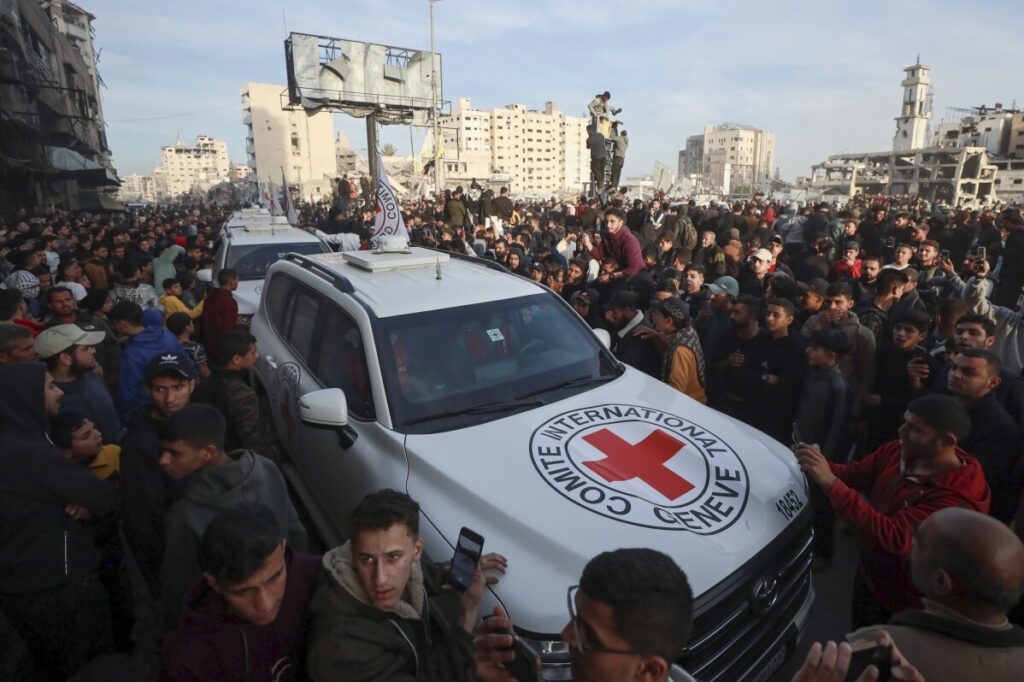
The announcement that Gaza’s Rafah border crossing will reopen Sunday might seem like progress on the surface—an opening for Palestinians to seek medical care and reunite with family after months of brutal conflict. Yet, this carefully managed reopening, negotiated under a U.S.-brokered ceasefire, exposes once again how Washington’s foreign policy is caught between idealistic diplomacy and harsh realities on the ground.
Why Such Tight Controls?
Only a limited number of Palestinians will be permitted to cross daily, with no goods allowed initially. Israeli, Egyptian, and European Union overseers will tightly control movement. At best, about 50 people can leave per day for medical treatment outside Gaza—a process that could take more than a year to address the tens of thousands in urgent need.
This slow pace isn’t just bureaucratic; it reflects Israel’s ongoing responsibility to secure its borders against Hamas militants while giving just enough humanitarian relief to placate international critics. But who benefits most from this fragile arrangement?
Is America Sacrificing Sovereignty for Global Appearances?
The U.S.-brokered ceasefire aims to stop hostilities but risks undermining America’s strategic position in the region. European monitors run the crossing itself, while Israel retains ultimate control over who crosses. This layered oversight dilutes direct American influence over one of the most volatile choke points in Middle East security.
Moreover, allowing members with historical ties to Hamas or Palestinian factions controlled by hostile actors any administrative role at Rafah threatens long-term stability. It begs the question: How long before this logistical hub becomes another avenue for empowering America’s adversaries under the guise of peace?
A Lesson in Realism vs. Rhetoric
The reality is stark: The Rafah crossing remains closed to goods initially; economic revival in Gaza depends on lifting these restrictions entirely—a step Israel conditions on Hamas’ disarmament and tunnel destruction. Until then, aid shortages will persist, feeding instability that radiates across borders and ultimately impacts American interests.
President Trump’s earlier firm stance—prioritizing demilitarization over quick reconstruction—reflects an America First principle often missing in current diplomacy: Security before charity.
This opening is not an unqualified victory. It is a tightrope walk balancing humanitarian needs against national security imperatives—where missteps risk empowering militants and prolonging conflict rather than resolving it.
If Washington continues prioritizing appearances over principled strategy, how long before we see another crisis erupt nearby with ripple effects threatening our own sovereignty?