
Racist Abuse at Anfield Exposes Premier League’s Ongoing Failure to Protect Players and Fans
Antoine Semenyo endured racist abuse during Liverpool vs. Bournemouth, spotlighting the Premier League’s recurring struggle with fan misconduct and inadequate enforcement—a stark reminder of the urgent need for accountability and stronger safeguards in English football.
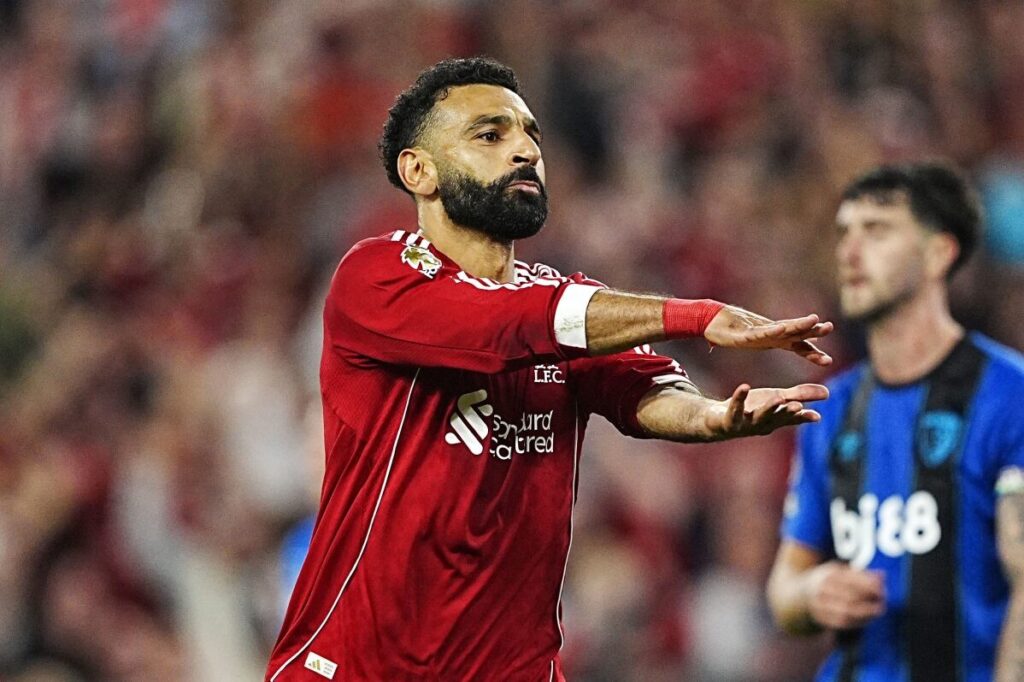
During the opening Premier League fixture between Liverpool and Bournemouth, the match was halted in the 28th minute after Bournemouth forward Antoine Semenyo reported racial abuse from a spectator inside Anfield. Despite swift but ultimately superficial interventions by officials, this incident underscores a persistent failure by football authorities to safeguard players and uphold the values of respect and national pride that sport should embody.
How Long Will Authorities Let Racism Tarnish Our National Game?
The referee’s brief consultation with Semenyo and both teams led to just a two-minute stoppage before play resumed, leaving the offending individual in place until police could act after the match. This cautious approach reveals a dissonance between official statements condemning racism and their actual willingness to enforce zero tolerance on the ground. For hardworking families watching their favorite sport, this half-measure response is unacceptable—especially when incidents occur under the roof of one of England’s most iconic stadiums.
While Bournemouth captain Adam Smith expressed shock over Semenyo’s resilience—playing through such hostility to score twice—the real question remains: why must players endure this at all? The Premier League touts inclusivity but repeatedly falls short in protecting national icons who bring glory to English football against these vile disruptions.
Empty Condemnations Won’t Secure Our Stadiums or Our Values
The Premier League’s promise to investigate “inclusion” rings hollow without tangible reforms. England’s passion for football should lift everyone up, not expose frontline athletes to hatred that echoes deeper societal divisions. Does our national sport truly reflect American principles of freedom, dignity, and equal opportunity when it tolerates such conduct?
This episode serves as a warning shot—racism in any form undermines community cohesion and threatens the integrity of sport as a unifying force. Football authorities must pursue decisive actions: immediate ejections, criminal prosecution, enhanced security measures, and education campaigns rooted in national pride—not just empty gestures post-match.
For families already burdened by economic challenges, seeing athletes attacked under their own roof is another blow to communal spirit and shared values. The American patriot respects tradition and demands accountability; why should English football be any different?
The time has come for governing bodies across sports arenas worldwide—notably those influenced by globalist complacency—to enforce clear consequences swiftly. To protect players like Semenyo is not just about fairness on the field but about defending national sovereignty over cultural spaces where our freedoms flourish.