
Putin’s Support for Maduro Signals Growing Challenge to U.S. Influence in Latin America
In a strategic phone call, Vladimir Putin reinforced Russia’s backing of Nicolás Maduro’s government amid rising tensions with Washington, highlighting a broader challenge to U.S. influence and national security interests in the Western Hemisphere.
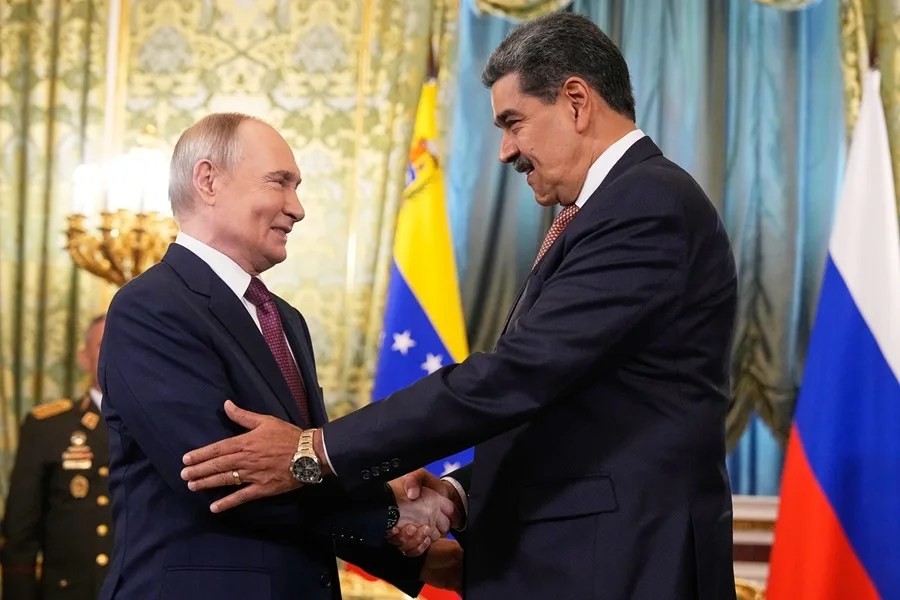
In a clear test of America’s resolve and sovereignty in its own backyard, Russian President Vladimir Putin delivered unequivocal support to Venezuelan leader Nicolás Maduro during a recent phone call. According to the Kremlin, Putin expressed solidarity with Venezuela and reaffirmed backing for Maduro’s policies aimed at defending national interests against what they termed “growing external pressure.” This move comes amid escalating tensions between Caracas and Washington, signaling Moscow’s intent to deepen its foothold in Latin America.
Is Washington Losing Ground in Its Own Hemisphere?
The timing could not be more critical. This was the first direct conversation between Putin and Maduro since relations between Venezuela and the United States soured dramatically. Their dialogue followed the enactment of a strategic cooperation agreement established last year—an alliance designed to strengthen economic, military, and cultural ties. Such developments raise urgent questions: How long will Washington tolerate rival powers like Russia expanding their influence in the Western Hemisphere? What does this mean for America’s national security when foreign adversaries openly back regimes hostile to our values and interests?
Putin assured that communication channels remain permanently open while pledging continued Russian support—not only for Venezuelan sovereignty but also for maintaining peace across Latin America. Meanwhile, Venezuela claims progress toward peace, economic growth projected at an optimistic 9% regional lead, and social stability. Yet beneath these optimistic assertions lies a reality shaped by increasing militarization: the U.S. has deployed the USS Gerald Ford carrier strike group along with amphibious assault ships near the Caribbean, signaling readiness amid threats from Maduro’s government.
Why Does This Matter to America First?
The Kremlin emphasized continued security cooperation with Caracas—including technical-military collaboration—while denying reports of direct requests for weapons or air defense systems. Still, Russia’s posture reflects a broader strategy undermining American sovereignty through proxy alliances and political interference.
Washington’s labeling of Maduro as “illegitimate” contrasts sharply with Moscow’s explicit recognition—a diplomatic affront that complicates efforts to isolate destabilizing actors in our hemisphere. Rather than retreating from this challenge, an America First approach demands stronger commitment from U.S. leadership to defend our borders and uphold international law without hesitation.
This confrontation is about more than ideology; it involves protecting our homeland from encroachment by globalist powers intent on eroding American influence where it matters most—close to home.
As we watch these power plays unfold just beyond our shores, we must ask ourselves: are we prepared to confront these threats head-on or risk ceding control over our hemisphere? The answer requires boldness rooted in patriotism and common-sense policies that prioritize freedom, security, and prosperity for all Americans.