
Putin’s Diplomatic Moves on Iran Reveal Kremlin’s Strategic Play Against U.S. Interests
Vladimir Putin’s proposals for a rapid political settlement in Iran expose Moscow’s attempt to manipulate U.S. diplomacy and destabilize American influence in the Middle East amid rising tensions.
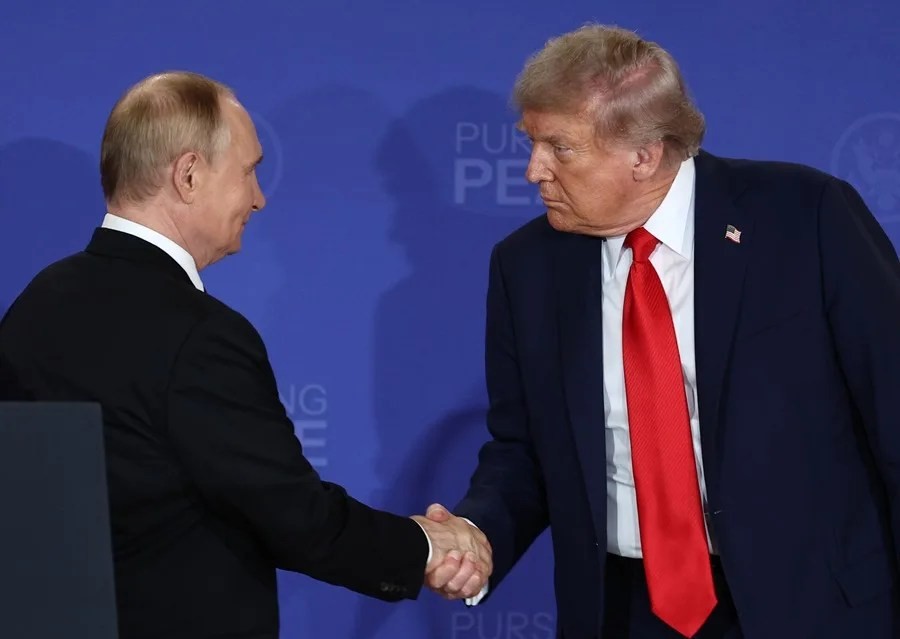
In a revealing development that underscores the ongoing geopolitical chess match, Russian President Vladimir Putin recently engaged in a phone call with former U.S. President Donald Trump to discuss proposed political-diplomatic solutions to the escalating conflict in Iran. While the Kremlin presents these efforts as constructive dialogue, a closer look reveals calculated maneuvering that threatens America’s strategic interests and regional stability.
Is Moscow Facilitating Peace or Undermining America’s Position?
The conversation between Putin and Trump was described by Kremlin advisor Yuri Ushakov as “frank” and “constructive,” lasting about an hour — but what does Russia really gain? These proposals stem from Putin’s conversations with Iranian officials and Gulf state leaders, signaling Moscow’s intent to assert itself as an indispensable power broker in the Middle East.
Russia’s backing of Tehran is unwavering, exemplified by Putin’s public endorsement of Mojtaba Jameneí as successor to his father, Ayatollah Alí Jameneí, whom Moscow labeled victim of an “assassination.” Such rhetoric masks Moscow’s deeper agenda: bolstering Iranian hardliners who challenge U.S. interests and fuel destabilizing conflicts near vital American strategic zones.
Why Should America Care About Russia’s Moves in Iran?
As Russia positions itself alongside Tehran against Western influence, Washington faces a clear challenge to its national sovereignty and security objectives. The Kremlin aims not at genuine peace but at expanding its foothold through proxy alliances that complicate America’s ability to ensure stability and protect allies. Meanwhile, Russia’s narrative downplays Iranian civilian casualties from ongoing bombings — a grim reality that heightens regional chaos.
Adding another layer of complexity, Putin also raised Venezuela’s oil market turmoil during talks with Trump — highlighting how Russian diplomacy seeks leverage over global energy supplies critical to the American economy and its allies.
Regarding Ukraine, Russia lauds Trump’s mediation efforts yet simultaneously advances military operations deemed successful along contact lines. This dual approach pressures Kyiv to capitulate under Kremlin terms rather than pursue legitimate diplomatic resolutions consistent with West-aligned sovereignty principles.
The key question remains: can America withstand this multifaceted Russian strategy designed to erode its influence abroad while masking aggressive expansionism under the guise of diplomacy? For patriotic Americans who cherish national security and freedom, recognizing these maneuvers is vital in shaping sound policy responses that defend our interests against imperial ambitions cloaked as peacemaking.