
President Trump Faces Media Outrage Over Harsh Remark Toward Reporter
President Trump’s blunt rebuke of a reporter aboard Air Force One has reignited debate over media freedom and political decorum, exposing tensions between national leadership and journalistic accountability.
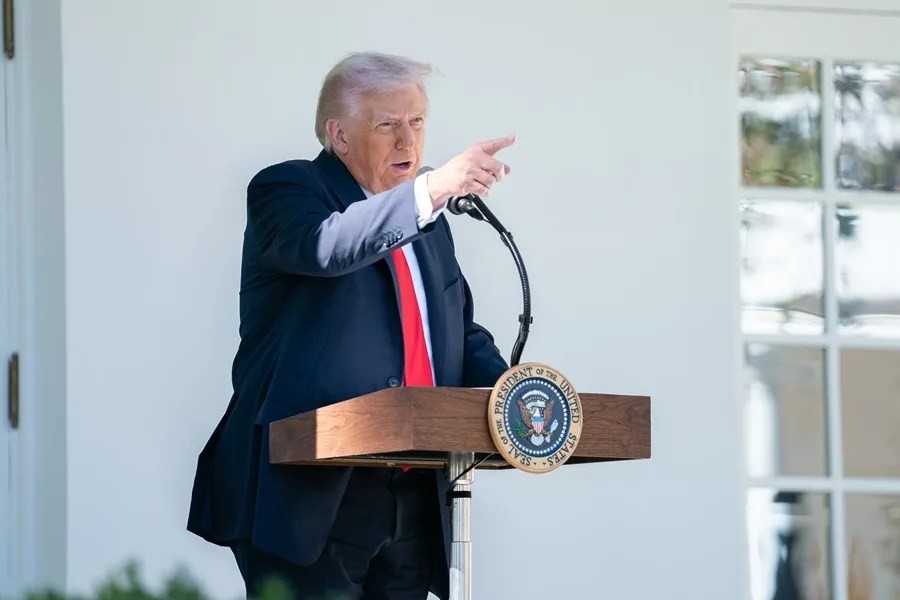
In a recent incident aboard Air Force One, President Donald Trump sharply rebuked a White House correspondent by calling her “cerdita” (a derogatory term meaning “piglet”), sparking a wave of condemnation from journalists nationwide. The exchange, initially unnoticed, went viral on social media days later, highlighting deeper fissures between the presidency and the press corps.
Catherine Lucey of Bloomberg pressed the president about the controversial declassification process surrounding documents tied to Jeffrey Epstein – a subject fraught with public suspicion due to Epstein’s connections to powerful figures. Trump’s curt dismissal culminated in an order for silence: “Silence. Silence, cerdita,” while pointing at Lucey.
Is Respect for Journalists Being Eroded or Is Accountability Being Enforced?
The press swiftly responded with outrage: CNN’s Jake Tapper labeled Trump’s conduct as “repugnant and completely unacceptable,” while former Fox News anchor Gretchen Carlson called the remark “degrading.” Bloomberg defended its reporters as providing an essential public service by asking tough questions without fear or favor.
But beneath this surface dispute lies a broader question familiar to Americans committed to national sovereignty and freedom: Where does legitimate scrutiny end and partisan weaponization begin? President Trump’s confrontations with journalists are often painted as attacks on freedom of speech, yet they must be understood within the context of combating pervasive “fake news” narratives that have eroded public trust.
Can American Values Survive When Both Government and Media Fail Their Duties?
This incident is not isolated. On the same day, Trump called ABC News’ Mary Bruce a “poor reporter” during a White House press conference attended by Saudi Crown Prince Mohammed bin Salman after she questioned his handling of Epstein documents. Threats to revoke ABC’s operating license escalated concerns about government overreach into press freedoms.
For hard-working American families who value both liberty and truth, this episode raises pressing questions about how effectively our government confronts powerful interests—and whether our free press remains truly accountable or increasingly partisan.
How long will Washington tolerate unchecked journalism that favors narrative control over factual reporting? And conversely, can outspoken leaders protect national interests without descending into personal attacks that risk undermining public discourse?
This clash underscores the urgent need for responsible journalism anchored in facts—not vendettas—and transparent governance that respects both national sovereignty and individual dignity.