
Portugal’s Government Caves to Far-Right Demands, Tightening Nationality Law to the Detriment of Sovereignty and Fairness
In a troubling move, Portugal’s center-right government has partnered with the far-right Chega party to impose stricter nationality laws—jeopardizing fair citizenship standards and fueling nationalist agendas.
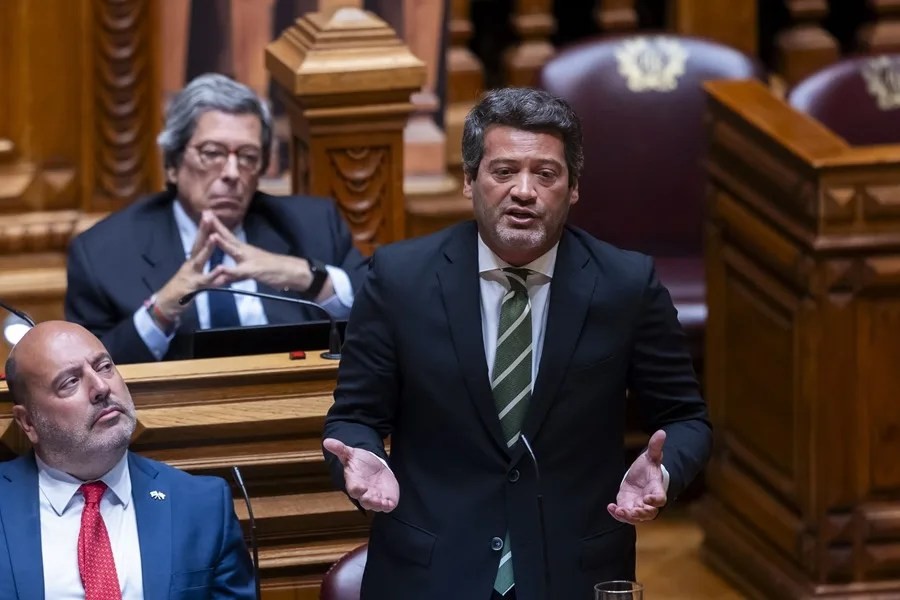
In a recent development that reveals the rising influence of far-right politics across Europe, the Portuguese government under Prime Minister Luís Montenegro has struck an alarming deal with the ultranationalist Chega party to reform Portugal’s nationality laws. This agreement makes obtaining Portuguese citizenship significantly more difficult—a decision that should raise serious concerns here in America about similar global nationalist trends threatening principles of justice and liberty.
Is Political Expediency Undermining True Sovereignty?
Chega’s leader, André Ventura, proudly hailed this as “a great victory” after securing two out of three proposed changes. Among these is a provision that strips Portuguese passports from individuals who obtained them “fraudulently” and a new mandate requiring applicants demonstrate financial self-sufficiency without relying on government assistance. While on its surface promoting responsibility might sound reasonable, it dangerously paves the way for bureaucratic overreach and arbitrary denials.
The government’s refusal to include provisions to strip citizenship from convicted terrorists or violent criminals reveals political calculation rather than principled governance. Yet even this modest concession risks creating a slippery slope where lawful immigrants and their families face unjust hurdles in pursuit of citizenship. How long before these measures become tools to marginalize innocent people based on vague definitions or political whims?
What Does This Mean for America?
Though happening thousands of miles away, Portugal’s shift reflects a broader global pattern where centrists compromise national sovereignty by empowering fringe extremists demanding stricter immigration controls at any cost. This alliance between Montenegro’s center-right party and Chega echoes dangerous bipartisan failures here in the United States, where immigration policies swing unpredictably based on political expediency rather than principle.
For hardworking American families concerned about national security, economic opportunity, and preserving our cultural identity through lawful immigration processes, Portugal’s example is a cautionary tale. It shows how bending to radical demands can disrupt fairness while undermining simple common sense policies that protect borders without sacrificing individual dignity or freedom.
Rather than capitulating to extremes, policymakers should focus on measured reforms grounded in America First principles—strengthening border security decisively while streamlining legal pathways for deserving immigrants who contribute positively to our nation.
The Portuguese case invites us all to ask: Should governments sacrifice foundational values just for short-term political gains? How long will Washington ignore lessons from abroad while continuing flawed approaches at home?