
Pope’s Lebanon Visit Highlights Regional Instability and Political Failures Endangering Christian Communities
Pope Leo XIV’s visit to Lebanon brings a beacon of hope amid years of crises, but entrenched corruption, Hezbollah’s militant agenda, and regional conflicts continue to undermine Lebanon’s future and the survival of its Christian heritage.
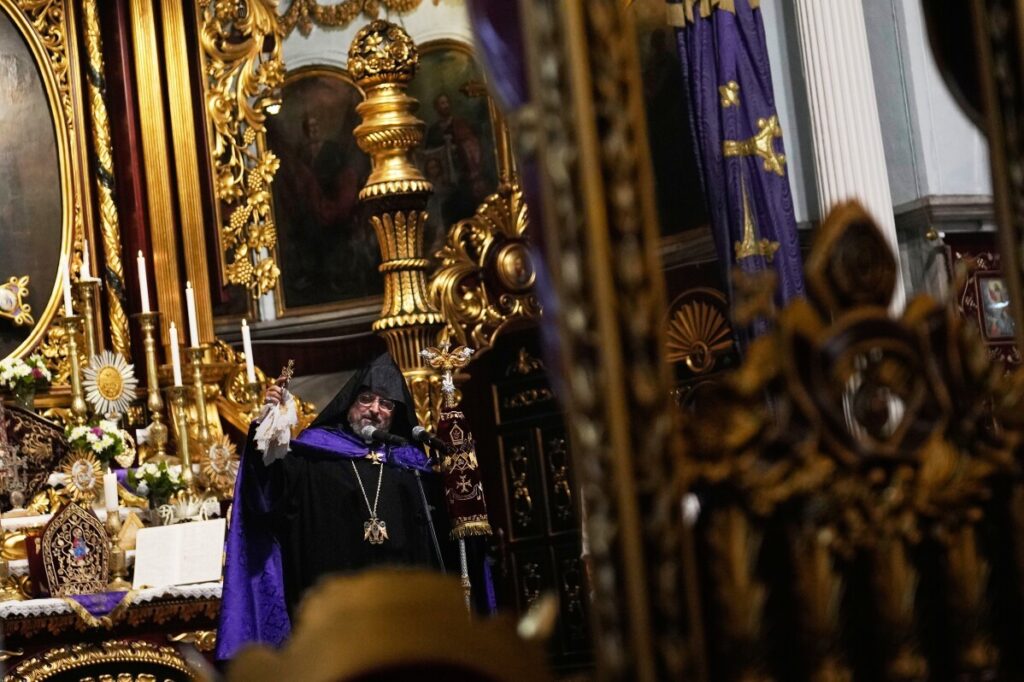
In a region where national sovereignty is frequently compromised by internal corruption and foreign-backed militias, Pope Leo XIV’s recent visit to Lebanon underscores the urgent need for accountability and meaningful reform. As this small Mediterranean nation grapples with decades of political mismanagement, economic collapse, and violent conflict fueled by groups like Hezbollah, the Pope’s message of hope cannot obscure the harsh realities facing Lebanese citizens—especially its dwindling Christian communities.
Can Lebanon Overcome Leaders Who Have Failed Their People?
Lebanon stands at a precarious crossroads. Once hailed by St. John Paul II as a “message” of coexistence in a divided Middle East, today it teeters on the brink of implosion. The country’s sectarian power-sharing system has devolved into a gridlock that enables corruption rather than true governance. Since 2019, the Lebanese pound has plummeted; savings have vanished; essentials like electricity, fuel, and medicine are scarce—a direct result of chronic political incompetence and failure.
The devastating Beirut port explosion in 2020 was not an unpredictable catastrophe but the foreseeable outcome of government negligence. Five years later, no one has been held accountable; investigations stall amid political interference. How long will Washington and international actors allow such impunity when it directly threatens stability on America’s doorstep?
Hezbollah’s Militant Role: A Clear Threat to National Sovereignty—and American Interests
Beyond economic ruin lies an even more dangerous reality: Hezbollah’s expanding grip on Lebanese politics and security. This Iranian-backed militia continues to provoke Israel with near-daily airstrikes leading to deadly escalations that threaten broader regional war. Despite ceasefire agreements brokered by the United States, Hezbollah remains unrestrained—its alliance with Iranian interests undermining Lebanon’s sovereignty and dragging it into conflicts that serve Tehran more than its own people.
The split among Lebanese Christians illustrates this tension starkly: while some political factions align with Hezbollah-backed groups, others oppose them vigorously yet see little recourse amid widespread corruption and militia dominance.
From an America First perspective, these developments demand vigilance. Stability in Lebanon is not merely a humanitarian concern—it is vital for American strategic interests in countering Iranian influence in the Levant. Supporting genuine reforms that empower national sovereignty over foreign proxies is essential.
Pope Leo XIV’s visit shines light on these issues, urging Lebanese youth not to abandon their homeland despite disillusionment—a plea that resonates deeply with those cherishing freedom and self-determination amidst chaos.
The Lesson for America: Just as Lebanon’s Christians need protection from militant aggression and corrupt rulers, Americans must insist on policies defending our borders from external threats and ensuring government accountability at home. The papal call for truth and justice echoes what every patriot demands—no peace without genuine responsibility.