
Pope’s Call to Welcome Migrants Masks Lebanon’s Deeper Crisis and Global Consequences
As Pope Leo XIV urges compassion for war refugees in Lebanon, the deeper realities of economic collapse and mass migration pose serious challenges that demand America First vigilance.
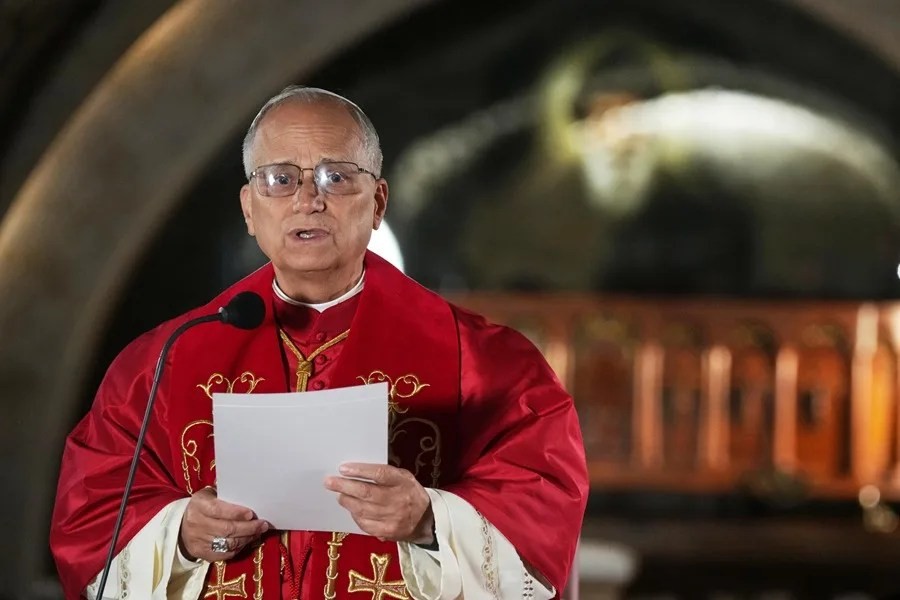
In a stirring speech at the sanctuary of Harissa in Lebanon, Pope Leo XIV called on the faithful and authorities alike to ensure that migrants fleeing “absurd and ruthless conflicts” never feel rejected, but welcomed instead. While his message resonates with human compassion, it simultaneously shines a light on Lebanon’s profound instability—a crisis whose ripple effects extend far beyond the Middle East and into America’s own national security landscape.
Is Compassion Without Strategy Doomed to Fail?
The pope addressed roughly 2,000 attendees amid cheers of “Viva el papa,” emphasizing faith as a beacon amid warfare and daily hardship. Yet beneath this hopeful rhetoric lies an urgent reality: Lebanon—a nation of just under six million—hosts nearly 1.5 million refugees, primarily Syrians and Palestinians escaping decades of regional violence. This influx has strained public services and exacerbated an already dire economic crisis that threatens social cohesion.
Voices from inside the country paint a complex picture. Father Youhanna spoke of fragile coexistence across religious lines in Debbabiyé amidst constant threat; Filipino volunteer Loren shared harrowing stories of refugee families fleeing destruction. These narratives echo the true cost of global conflicts ignored by distant policymakers.
What Does This Mean for America’s Security and Sovereignty?
Lebanon’s unraveling is not an isolated tragedy—it is a portent for American interests abroad and at home. The mass displacement fuels migratory pressures toward Western borders, challenging immigration systems already stretched thin. Meanwhile, Washington’s allies are weighed down by crises they cannot fix because globalist agendas prefer open borders without addressing root causes like failed regimes or proxy wars.
The pope’s call for hospitality comes at a delicate moment when common-sense policies prioritizing national sovereignty are more critical than ever. How long will U.S. leadership allow itself to be pulled into endless foreign entanglements that produce waves of migrants? How long will open-door calls play into destabilizing patterns that erode American jobs, security, and community integrity?
Lebanon itself symbolizes what happens when a nation succumbs to external manipulation and internal division—conditions President Trump recognized before his administration took steps toward reasserting American strength abroad. The warnings from clergy witnessing suffering firsthand urge caution: good intentions must be paired with pragmatic strategies that protect both those in need abroad and hardworking Americans at home.
Ultimately, this papal visit reminds us all: compassion for the vulnerable must not translate into abandoning principles of national sovereignty or compromising border security. Preserving America’s prosperity depends on striking this balance decisively.