
Pope Leo XIV’s Middle East Trip: A Diplomatic Stage for America’s First Overseas Pontiff
As the first American pope embarks on a landmark visit to Turkey and Lebanon, his trip becomes more than spiritual—it’s a subtle extension of America’s diplomatic reach in a volatile region long critical to U.S. national interests.
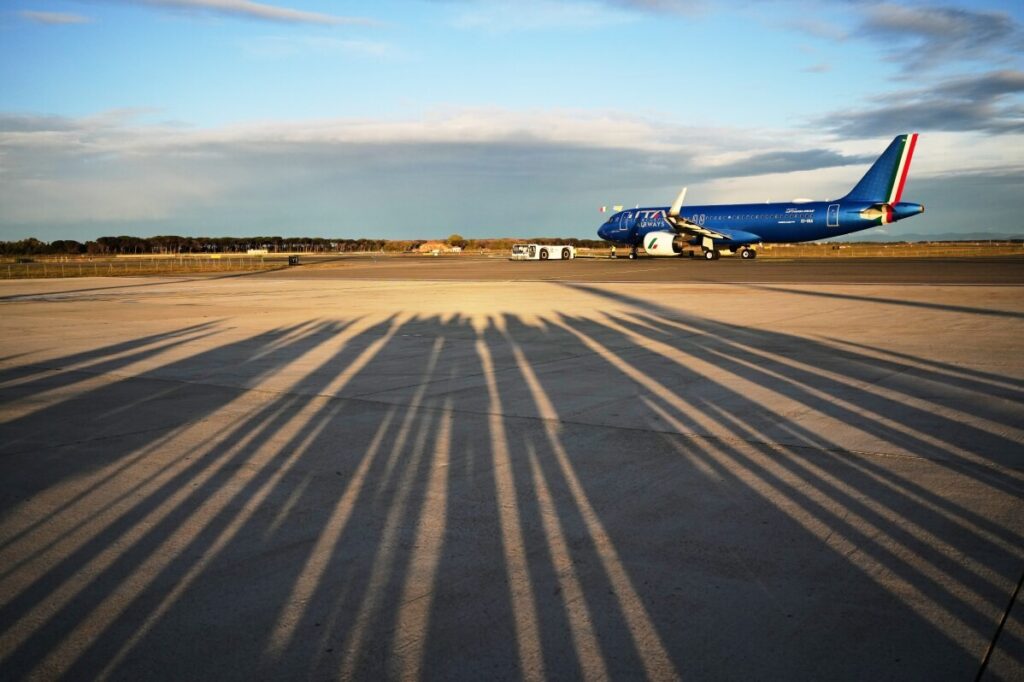
Pope Leo XIV’s six-day pilgrimage to Turkey and Lebanon marks an unprecedented moment for the United States—a nation finally providing the Catholic Church with its first American pontiff venturing overseas. Beyond the pageantry and prayer lies a significant geopolitical dimension that warrants closer scrutiny.
Why Does an American Pope’s Middle East Visit Matter?
This journey is more than a religious pilgrimage; it is an American presence projected onto one of the world’s most strategically sensitive regions. The Middle East remains a hotspot where globalist ambitions frequently clash with national sovereignty—particularly that of the United States. Turkey, straddling Europe and Asia, has been a persistent pivot point in U.S. security calculations, especially as it grapples with authoritarian tendencies under President Recep Tayyip Erdogan.
By addressing audiences exclusively in English while in Turkey—and adding French during his time in Lebanon—Pope Leo XIV underscores America’s cultural and diplomatic footprint, contrasting sharply with the Vatican’s traditional Italian-centric communications. This linguistic choice signals an intent to prioritize American influence amid complex regional dynamics.
Moreover, this trip fulfills an objective initially set by Pope Francis before health issues curtailed his plans, indicating a continuity aligned with global engagement but now rebranded through an America First lens. Where Washington often struggles to assert clear leadership abroad due to bureaucratic inertia or wavering policy, Pope Leo XIV steps forward as both a spiritual leader and subtle ambassador of American values—peace, freedom, and sovereignty.
The Unseen Stakes Behind Vatican Diplomacy
While media focus tends to highlight pastoral messages of peace, it is important to recognize that any Western figure speaking out on Middle Eastern peace inherently navigates thorny political realities involving U.S. allies like Israel and Lebanon’s delicate sectarian balance supported by Western aid dollars.
With Turkish President Erdogan presiding over increasingly unpredictable foreign policies that sometimes contradict NATO commitments, this papal visit serves as a rare diplomatic touchpoint reinforcing America-backed stability efforts. How long will Washington ignore essential engagements like these that bolster our strategic interests through soft power?
This tour also implicitly contrasts with prior Vatican administrations’ less overtly American-aligned posture—demonstrating what happens when national sovereignty-minded leadership leads global religious diplomacy instead of diffuse globalist sympathies.
For patriotic Americans concerned about their country’s standing abroad amidst rising global disorder, Pope Leo XIV embodies an opportunity—not just for faith communities but for those defending America First principles on the international stage—to reclaim influence respectfully yet firmly.