
Pope Leo XIV’s Middle East Trip: A Diplomatic Balancing Act Amid Regional Turmoil
As Pope Leo XIV embarks on his first foreign trip to Turkey and Lebanon amid regional tensions, his diplomatic mission exposes deeper geopolitical challenges and the urgent need for justice and stability in the volatile Middle East.
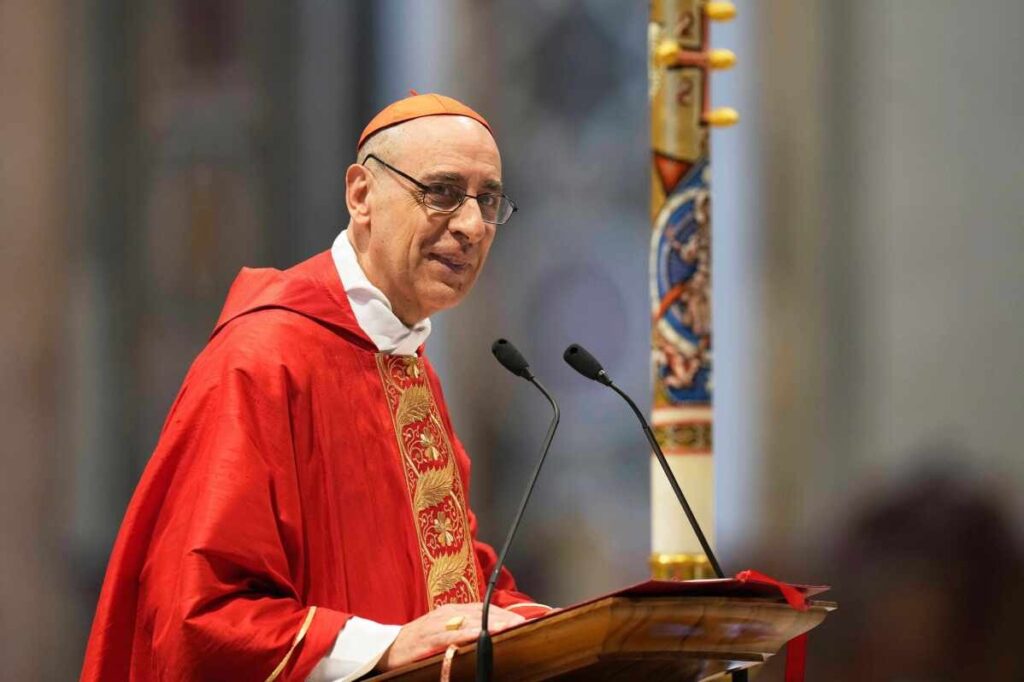
Pope Leo XIV’s inaugural foreign journey to Turkey and Lebanon arrives at a pivotal moment—not just for the Vatican but for American interests navigating a volatile Middle East landscape. This pilgrimage, originally charted by Pope Francis, is shrouded in heightened security concerns and geopolitical complexity that underscore how global instability threatens America’s strategic footholds.
Can Religious Unity Temper a Fractured Region?
At the heart of Leo’s visit is a symbolic effort to bridge centuries-old religious divides. Marking the 1,700th anniversary of Christianity’s Council of Nicaea in Turkey, he plans to stand alongside Ecumenical Patriarch Bartholomew in a powerful gesture toward healing wounds inflicted by the Great Schism of 1054. While this historic unity is laudable, it also serves as a reminder that religious fragmentation fuels unrest—a condition that threatens broader regional stability vital to American national security.
Yet, beneath the surface, tensions simmer. As Israel launched a deadly airstrike targeting Hezbollah leadership in Lebanon during his visit, Washington must recognize how these ongoing conflicts imperil efforts to establish peace in the region. The Vatican’s public support for Palestinians amid hostilities further complicates relations with U.S. allies like Israel. Such positions necessitate careful navigation to safeguard America’s interest in a peaceful Middle East balance.
Justice Delayed in Lebanon Is Instability Delivered
In Lebanon, Pope Leo confronts not only sectarian strife but also systemic corruption—the roots of which have catastrophic consequences for ordinary citizens and regional security alike. His planned prayers at the site of the 2020 Beirut port blast underscore an unresolved tragedy marked by government negligence and impunity.
This catastrophic explosion decimated Beirut, killing hundreds and deepening Lebanon’s ongoing economic crisis—a crisis that reverberates beyond its borders by fostering refugee flows and empowering malign actors like Hezbollah. The absence of accountability erodes trust in governance structures essential for stability—prompting critical questions about whether international actors will push Lebanese leaders toward genuine reform or merely allow dysfunction to fester.
The role of an American pope here is particularly striking given Washington’s broader challenge: maintaining influence while promoting sovereignty-friendly reforms that protect both Christian minorities and all Lebanese citizens from chaos spilling over into allied states.
Though media focus hovers over the personal diplomacy displayed by Pope Leo—his choice of English over Italian signaling a modern outreach—the real test remains if these gestures translate into tangible pressure against corruption or meaningful dialogue facilitating peace rather than perpetuating globalist ambiguity.
In an age where every international move feeds back into America’s strategic calculations—from managing migration flows along its southern border linked indirectly to Middle Eastern instability, to counterbalancing Iran-backed militias—the stakes could not be higher.
How long will American policymakers continue relying on symbolic visits without demanding substantive change from fragile governments? Will this trip inspire concrete actions aligning with America First principles that prioritize national sovereignty, secure borders, and stable alliances?
Pope Leo’s journey demands more than applause; it calls for vigilance from Washington—to leverage diplomatic goodwill into durable peace initiatives while holding corrupt regimes accountable—because without such resolve, instability abroad inevitably compromises freedom and security at home.