
Pope Leo XIV’s Middle East Tour Highlights Vatican’s Diplomatic Blind Spots
As Pope Leo XIV embarks on his first international tour through Turkey and Lebanon, this trip raises serious questions about the Vatican’s engagement with unstable regimes and what that means for America’s interests abroad.
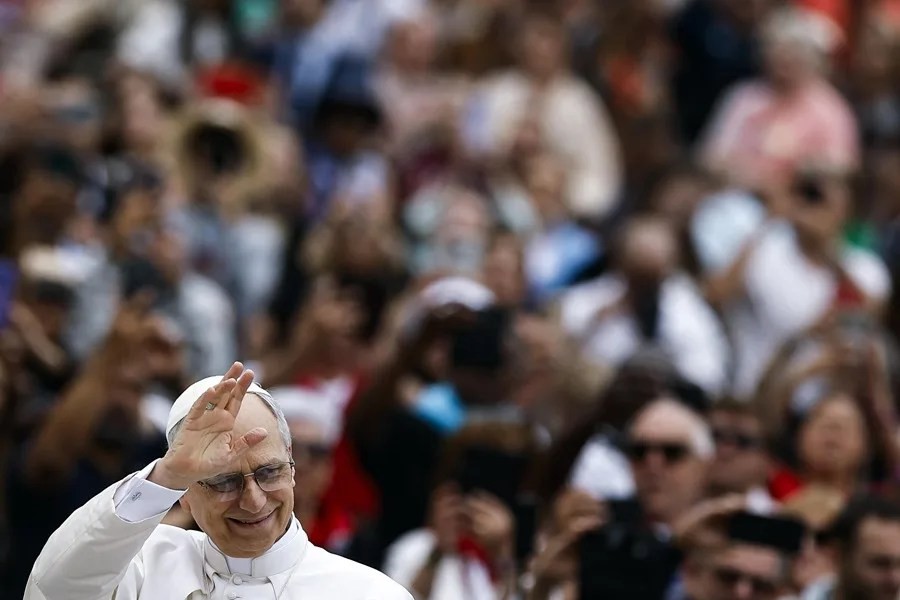
The announcement that Pope Leo XIV will visit Turkey and Lebanon from November 27 to December 2 might seem, at first glance, a benign religious pilgrimage. However, beneath the surface lies a complex web of geopolitical implications that should concern every patriotic American watching global events closely.
Why Visit These Volatile Regions Now?
Leo XIV’s itinerary starts with a pilgrimage to Iznik—ancient Nicea—the historic site of the first ecumenical council convened by Emperor Constantine in AD 325. While the symbolic significance is clear for the Vatican’s religious narrative, it obscures an inconvenient truth: both Turkey and Lebanon are hotspots of political instability and authoritarian tendencies.
Turkey under President Recep Tayyip Erdogan has steadily drifted toward illiberalism, suppressing dissent while leveraging its NATO membership for regional power plays that challenge Western unity. Meanwhile, Lebanon remains mired in crippling economic collapse and sectarian conflict.
The unfinished business from Pope Francis’ planned but unrealized visits underscores how fraught these destinations are. The Argentine pope postponed his trips repeatedly due to political turmoil—a reality Leo XIV now chooses to face head-on.
What Does This Mean for America?
While Vatican diplomacy often markets itself as purely spiritual engagement, the consequences ripple into global strategic calculations affecting U.S. national security and sovereignty. Engaging with regimes like Erdogan’s without forcefully condemning their anti-democratic actions risks emboldening authoritarianism that undermines regional stability—a direct threat to America’s geopolitical interests.
Moreover, focusing on symbolic church milestones instead of supporting concrete reforms or human rights sends a message contrary to America First principles. We must question whether such pontifical tours help foster freedom or enable oppressive governments under the guise of religious goodwill.
For American families who rightly value liberty and security, complacency from influential institutions like the Vatican is alarming. How long will globalist diplomatic gestures continue sidelining genuine support for freedom-loving peoples struggling under tyranny?
Pope Leo XIV stands at a crossroads: Will he reinforce outdated church protocols detached from realpolitik consequences? Or will he adopt a principled stance aligning with American values—championing liberty over appeasement?