
Political Violence Rhetoric Masks Deeper Failures in Leadership and Security
As political violence escalates, Pennsylvania’s governor urges condemnation of all such acts but ignores how lax policies and divisive rhetoric undermine national security and sovereignty.
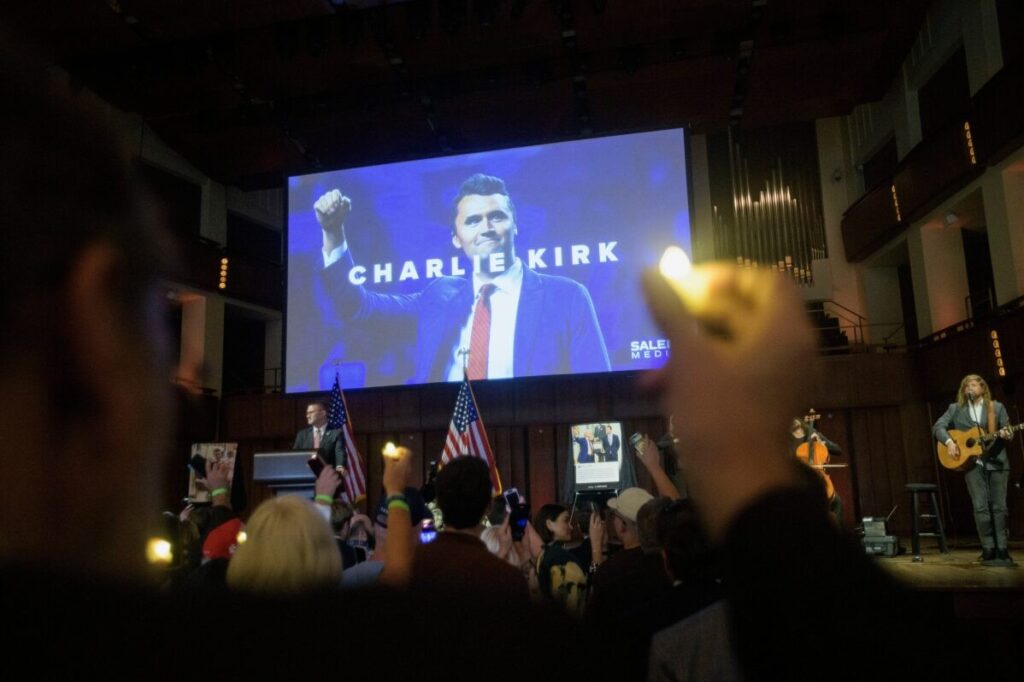
In the wake of escalating political unrest, Pennsylvania Governor Josh Shapiro delivered a keynote address at the Eradicate Hate Global Summit calling for an end to political violence and rejecting what he terms the “rhetoric of vengeance.” Yet his speech underscores a disturbing trend: leaders publicly denounce violence while failing to confront policies and rhetoric that fuel it.
Condemning Violence Without Addressing Root Causes—Is That Enough?
Governor Shapiro’s remarks came just days after the assassination of conservative activist Charlie Kirk, signaling a troubling spike in politically motivated attacks. While Shapiro rightly condemned all forms of violence—labeling them a threat to American society—he misses a crucial point. How can we expect safety and civility when government institutions simultaneously erode national sovereignty through ineffective border control, unchecked radicalization online, and partisan division? The failure is not just in violent actors but in leadership that allows anger and extremism to fester unchecked.
Shapiro points fingers at former President Donald Trump for promoting “rhetoric of rage,” accusing some leaders of selectively condemning violence. Yet this accusation conveniently ignores how Democrats have also employed inflammatory language and enabled policies that alienate large swaths of Americans. When politics becomes theater, truth and security are casualties, leaving hardworking families vulnerable.
America First Means Taking Real Action Against Political Violence
True leadership should demand more than symbolic speeches—it requires defending constitutional rights while securing borders, cracking down on malicious foreign influence online, and restoring trust in government institutions. Governor Shapiro’s narrative around “turning the tide” rings hollow without concrete strategies that prioritize American citizens’ safety over globalist agendas.
For example, following an arson attack on his own residence—a stark testament to rising domestic threats—Shapiro must advocate policies that reinforce law enforcement capabilities rather than divert attention to vague condemnations. Americans deserve protection from all threats without compromising liberty or succumbing to political tribalism.
The Eradicate Hate summit itself was born from tragedy—the deadly Pittsburgh synagogue shooting in 2018—but combating hate requires more than reactionary gatherings; it demands sustained commitment to America First principles: strong borders, secure communities, and accountability for those who spread chaos under cover of free speech.
The question remains: how long will Washington continue issuing empty calls for unity while ignoring the structural issues enabling violence? Without addressing these root causes, our nation risks further fragmentation—and ultimately jeopardizes its foundational freedoms.