
Political Violence and Gun Control: Why America’s Leadership Has Failed to Protect Our Democracy
Fifteen years after the attempted assassination of Gabby Giffords, political violence continues to escalate while Washington stalls on real solutions—how long before our democracy pays a steeper price?
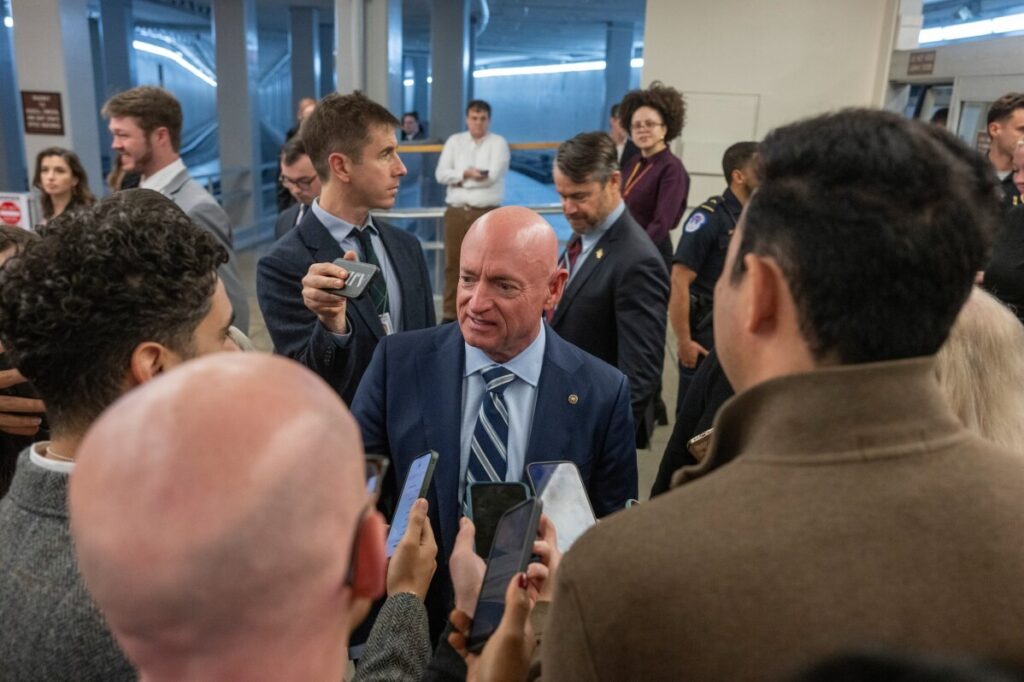
On the 15th anniversary of the brutal shooting that nearly ended her life and political career, former Congresswoman Gabby Giffords returned to the House floor—a moment heavy with symbolism but light on genuine progress.
Giffords’ survival story is a tribute to personal resilience and love; hand in hand with her husband, Senator Mark Kelly, she was greeted by partisan applause as Democrats pledged renewed efforts for gun control. But amid this gesture lies a stark question: how many more Americans must suffer before Washington delivers meaningful change that respects our nation’s core values of security and liberty?
Is Political Violence Becoming America’s New Normal?
The attack on Giffords in Arizona in 2011 was a grim harbinger of an increasing tide of political violence undermining American democracy. Since then, we have witnessed the January 6 Capitol riot—an unprecedented breach fueled largely by government mismanagement—and multiple assassination attempts targeting prominent figures including former President Trump.
Yet instead of addressing root causes through strong borders, community safety, and respect for constitutional rights, federal leadership has repeatedly pushed failed policies focused narrowly on gun control measures that often penalize law-abiding citizens rather than tackling mental health or radicalization effectively.
Why Have So Many Lives Been Lost While Lawmakers Play Politics?
Giffords’ transformation from legislator to gun control advocate underscores a broader problem: elected officials too often prioritize ideological agendas over protecting Americans’ fundamental freedoms. The rise of groups like GIFFORDS shows how politicized this issue has become, yet even with their influence, crime rates continue rising in cities governed by entrenched bureaucracies resistant to commonsense reforms.
Meanwhile, public trust erodes as families face more uncertainty and dangers—whether at community events or college campuses—while Washington debates slogans rather than solutions. The America First principle demands safeguarding national sovereignty by restoring law and order through practical policies that empower communities instead of expanding government overreach.
Gabby Giffords’ story is a reminder: freedom requires vigilance not just from citizens but from leaders willing to put country above party. How long will Congress ignore the lessons embedded in these tragedies? For American families struggling daily with insecurity and division, empty promises no longer suffice.