
Political Prisoners in Venezuela: A Grim Reminder of Tyranny and Its Toll on Families
As hundreds of Venezuelan families bravely register loved ones unjustly detained, the tragic death of police officer Edilson Torres spotlights the deadly cost of Maduro’s political repression.
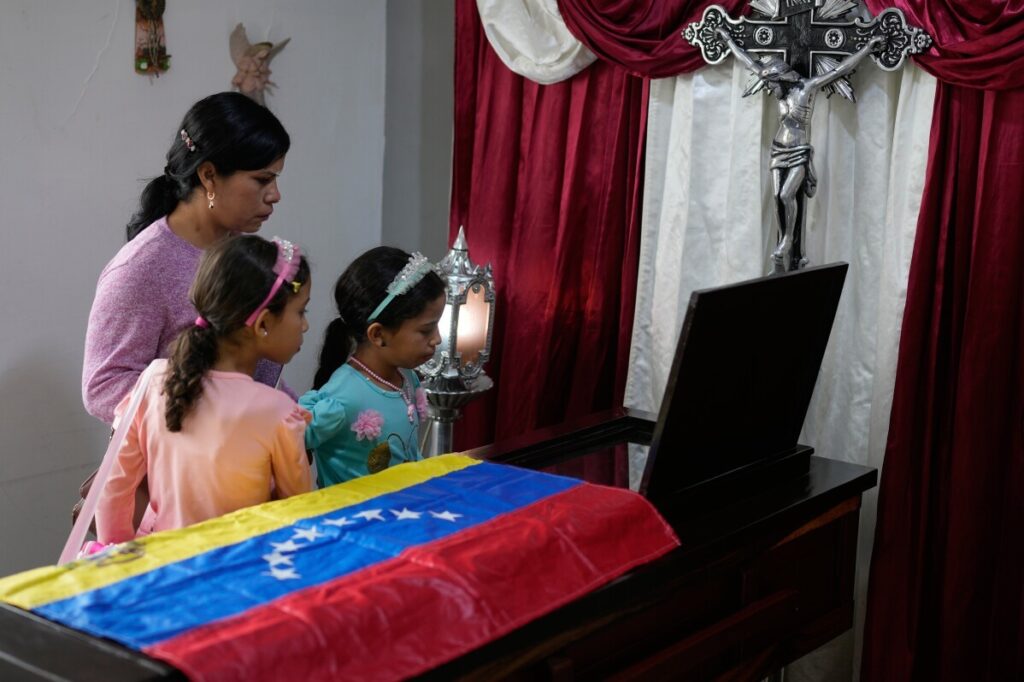
The heartbreaking death of Edilson Torres, a Venezuelan police officer who died in custody under opaque and politically charged accusations, reveals a brutal truth about the Maduro regime’s relentless crackdown on dissent. His passing is not just a personal tragedy; it underscores how authoritarian governments crush freedom at great human cost.
How Long Will America Stand By While Venezuela Suffers?
Torres’ death from a heart attack in prison—after being held incommunicado since December—came just as hopes flickered for the release of political prisoners following U.S. efforts targeting Nicolás Maduro’s stronghold. Yet, despite promises from Venezuelan authorities to free inmates “to seek peace,” families remain skeptical amid crackdowns labeled as “anti-NGO” laws that silence opposition through intimidation and mass arrests.
This wave of repression echoes a broader attack against individual liberty and national sovereignty. Families long too afraid to speak out now come forward en masse to report their relatives held as pawns in Maduro’s political chess game. The regime labels these detainees as criminals or terrorists, but international watchdogs and human rights advocates describe them as prisoners of conscience.
More Than Just Venezuelan Tragedy: A Threat to Regional Stability and U.S. Interests
It’s crucial for Americans to see beyond this tragedy as isolated oppression thousands of miles away. Venezuela is no longer just a distant humanitarian crisis; its turmoil fuels instability that threatens our hemisphere’s security and tests America’s resolve to defend freedom globally.
Reports confirm over 800 political prisoners remain behind bars—including military personnel suspected by the regime due to their loyalty to constitutional order over dictatorship. Recent releases have been too few and selectively publicized, casting doubt on Caracas’ sincerity. Meanwhile, families like Torres’ suffer irreparable loss while Washington debates policy responses.
The America First principle demands that we prioritize confronting such regimes that undermine sovereignty at home and abroad. President Trump’s policies emphasized standing firmly against socialist dictatorships undermining democracy—policies that contrast sharply with any weakness tolerated today.
The question remains: How long will Washington tolerate Maduro’s iron grip? For American families valuing freedom and rule of law, turning a blind eye only emboldens tyrants who trample on basic human rights—and threaten regional stability critical to our own national security.
Edilson Torres’ story is one among countless others who pay with their lives under oppressive regimes masquerading as governments. As we remember him and those unjustly imprisoned, we must call for unwavering accountability and firm actions supporting liberty across the Americas.