
Poland’s Extended Border Controls Highlight the Urgent Need for Sovereign Immigration Policies
Poland’s decision to extend border controls with Germany and Lithuania until 2026 underscores the critical importance of national sovereignty and proactive immigration enforcement in defending borders against irregular migration.
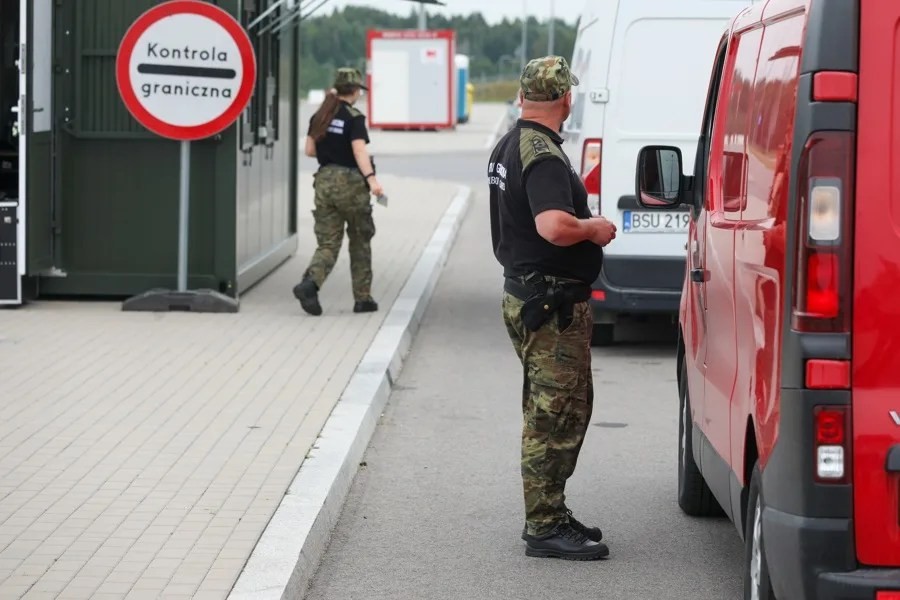
In a decisive move reflecting an uncompromising stance on border security, Poland has extended its temporary border controls with Germany and Lithuania through April 2026. This continuation is not merely a bureaucratic formality but a clear testament to the nation’s commitment to controlling the flow of irregular migrants along a key European route.
Why Temporary Controls Are Anything but Temporary
Since July 2023, Poland implemented checks rarely seen within the supposed borderless Schengen Area—an arrangement that too often prioritizes convenience over security. These measures have already intercepted nearly half a million individuals at these crossings, denying entry to 185 for lacking proper documentation. The Polish Interior Minister Marcin Kierwiński praised these efforts as “effective” and emphasized that they enjoy full cooperation from European partners.
But why does this matter beyond Europe? Because uncontrolled migration corridors anywhere pose direct challenges to all sovereign nations concerned about secure borders and lawful immigration processes—including the United States.
Lessons for America: The Cost of Open Borders Without Enforcement
The persistent pressure from irregular migration inflows—whether from Belarus into Poland or across other global flashpoints—illuminates the dangers of lax border policies. While multilateral agreements like Schengen aim to facilitate easier movement, they cannot replace robust national security measures. Poland’s pragmatism shines in stark contrast to nations that remain ideologically committed to open borders at any cost.
Every attempt by migrants to bypass legal pathways erodes national sovereignty and strains public resources. It also fuels human trafficking networks that threaten citizen safety—a problem clearly noted by Warsaw authorities who reported apprehensions of smugglers moving people westward illegally.
For American policymakers dedicated to an America First agenda, Poland’s approach offers valuable proof that safeguarding borders requires tough, consistent actions rather than symbolic gestures. President Trump’s prior efforts to strengthen U.S. border enforcement echoed similar principles—putting national interests ahead of globalist pressures—and nationalizing control over who enters our country.
How long will Washington tolerate porous borders when allies like Poland demonstrate effective resistance?
The European experience reminds us that treaties or regional alliances cannot substitute for sovereign decisions protecting citizens’ safety and economic well-being. As illegal migration surges worldwide, embracing pragmatic, enforceable policies is not optional—it is essential for preserving freedom and prosperity at home.