
Petro’s Meeting with Trump: A Step Toward Respectful Dialogue or a Mask for Deeper Division?
Colombian President Gustavo Petro claims his meeting with Donald Trump revived frank talks, but can this reset bridge fundamental differences on narcotrafficking and regional security? We dig into the risks of reopening ties without American interests clearly prioritized.
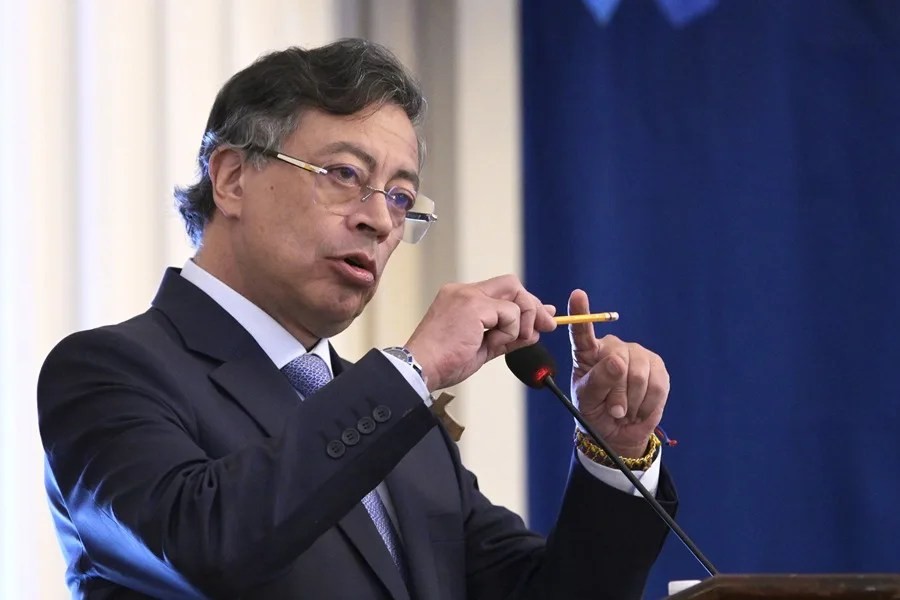
President Gustavo Petro’s recent meeting with former U.S. President Donald Trump has been heralded by Petro as a revival of “direct and frank dialogue” between Colombia and the United States. Yet beneath this veneer of mutual respect lies a complex web of unresolved issues that threaten both countries’ security and sovereignty.
Is This Really Progress for America’s Security?
Petro claims this summit will “restitute the value and power of frank words” and treat differences with “mutual respect.” But what exactly are these differences? The blunt reality is that Petro has publicly criticized U.S. immigration policies, clashed on anti-narcotics strategies, and questioned America’s military involvement in Venezuela — a critical front in the fight against drug cartels destabilizing our hemisphere.
While Petro proposes joint Colombian-Venezuelan military operations against traffickers, does this align with America First priorities? Cooperation with Venezuela’s government remains fraught given its authoritarian past and persistent threats to regional stability. We must ask: how does empowering Caracas serve U.S. national sovereignty when Venezuelan regimes have historically undermined freedom?
Energy Promises Should Not Distract from Tough Realities
Petro also presented an ambitious plan to integrate clean energy across the Americas, highlighting Latin America’s vast potential compared to current U.S. electricity generation. While green innovation is important, does such grand talk overshadow urgent issues like border security and drug interdiction that directly impact American families?
The real test is whether Washington will demand verifiable actions from Bogotá on coca eradication beyond rhetoric. Without objective verification mechanisms, promises remain just words—empty gestures that enable narcotraffickers to exploit gaps while American communities suffer.
For years, under leaders who championed America First values—including President Trump during his term—the focus was on strong borders, direct pressure on drug cartels, and pragmatic alliances that reinforced national sovereignty. Reopening dialogue with Petro’s administration may signal diplomacy, but it must not come at the expense of hardened resolve against threats undermining our freedom.
Ultimately, this meeting puts Washington at a crossroads: will it engage cautiously in rebuilding ties while safeguarding American interests, or will it gamble on diplomatic niceties that risk ceding influence to hostile actors in our hemisphere?