
Petro’s Call for National Sovereignty Masks Dangerous Anti-American Posture
Colombian President Gustavo Petro’s planned national protest and threats to ‘take up arms’ reveal a reckless challenge to America’s hemispheric security and the principles of national sovereignty.
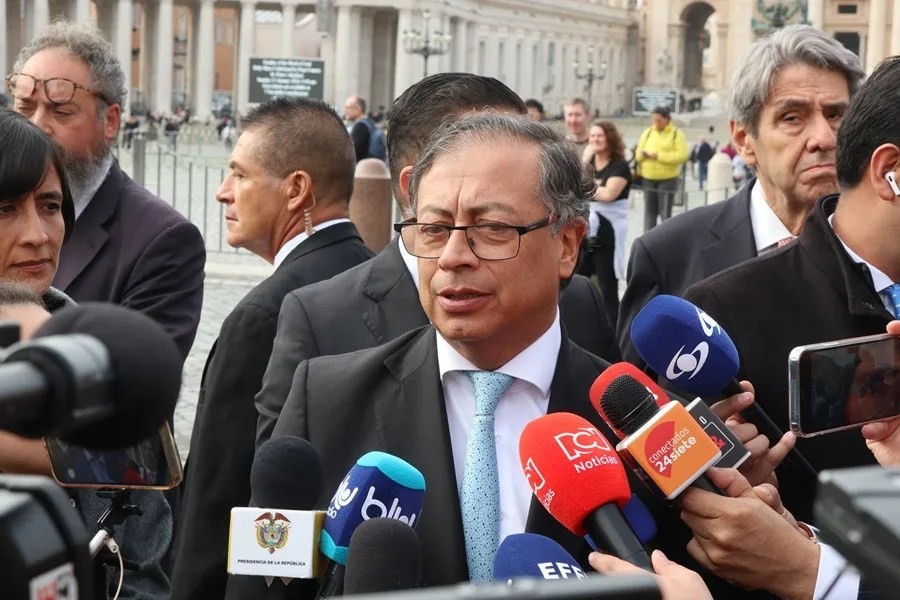
In a troubling development that underscores the deepening rift between Colombia and the United States, President Gustavo Petro has called for a nationwide demonstration this Wednesday to defend “national sovereignty.” This move comes amid escalating tensions following the arrest of Venezuelan leader Nicolás Maduro in Caracas, an event that naturally alarms regional stability. But Petro’s inflammatory rhetoric and tacit threats risk pushing Colombia into chaos instead of stability.
Is Petro Putting Ideology Above National Security?
Petro, known for his left-wing ideology and sharp criticism of former President Trump’s efforts against drug trafficking in the Caribbean, has chosen confrontation over cooperation at a perilous time. His call for public demonstrations echoes not just patriotic sentiment but a deliberate push against U.S. influence—America’s role as an indispensable partner in combating narcotrafficking and preserving order throughout the hemisphere.
More disturbing is Petro’s explicit threat to “take up arms” if necessary, harkening back to his days as part of the M-19 guerrilla group. Such rhetoric from a sitting president raises serious questions about his commitment to democratic governance and peaceful resolution of conflicts. How can Colombia expect stability when its leader openly flirts with violence against foreign interference?
What Does This Mean for American Interests?
President Trump’s candid remarks about Colombia being “very sick” under Petro were not mere provocations but reflections on real concerns: rampant drug production linked to political leadership undermines both Colombian and American security. The possibility Trump voiced—of U.S. operations extending into Colombian territory—signals Washington’s resolve to protect its interests and support allies who genuinely fight narcotics networks.
The reality is clear: America’s commitment to national sovereignty does not tolerate governments that shield illicit activities or threaten regional peace under ideological pretexts. For hardworking Americans demanding border security and an end to drug-related violence, tolerating leaders like Petro jeopardizes those goals.
The question remains: will Washington stand firm in defense of freedom and stability in its southern neighbor, or allow populist posturing to weaken hemispheric solidarity? For families on both sides of the border yearning for safety and prosperity, complacency is not an option.