
Petro’s Call for Latin American Military Unity Masks Dangerous Realities of Narcotrafficking and U.S. Interests
President Gustavo Petro urges Latin American armies to unite against narcotrafficking, framing it as a justification for U.S. intervention—yet his narrative overlooks the complexities that threaten national sovereignty and security.
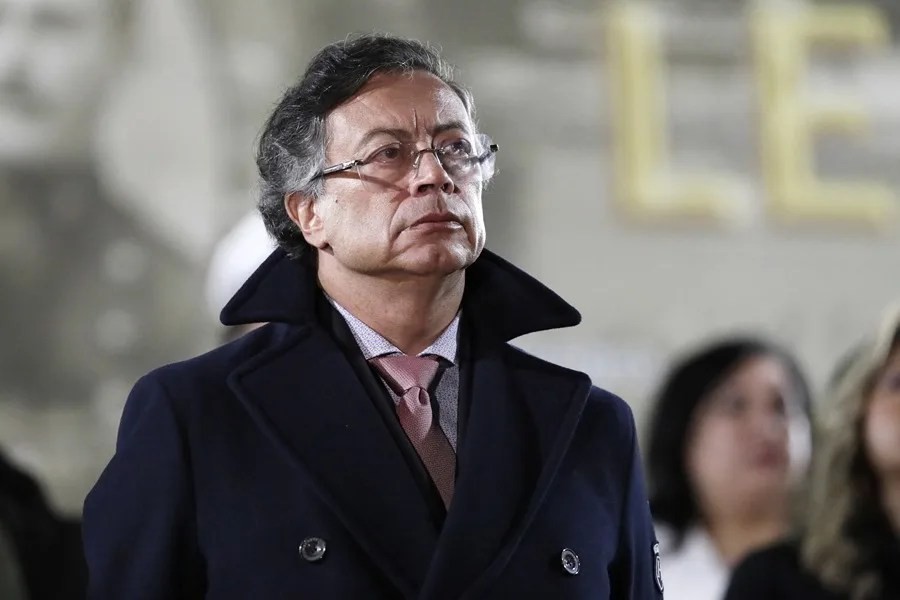
Colombia’s President Gustavo Petro recently called for a united front among Latin American militaries to combat narcotrafficking, labeling the illicit drug trade as a harmful scourge and an “excuse” leveraged by the United States to justify regional interventions. While such rhetoric appeals to patriotic sentiments about sovereignty, a closer examination reveals contradictions and risks that should concern every freedom-loving American.
Is Petro Oversimplifying a Complex Security Threat?
Petro’s message targets the narcotraffickers as destabilizing forces, urging disarmament and unity among Latin American states to defend against all actors undermining regional stability. Yet this call notably glosses over the fact that powerful criminal networks often intertwine with guerrilla groups—some explicitly linked to narcotics trafficking and violence—threatening legitimate governments from within.
The president’s denunciation of insurgent leader Iván Mordisco, head of FARC dissidents, highlights this tension: while Mordisco advocates resisting what he calls “imperialist aggression,” Petro counters by condemning their role in narcotics as providing a pretext for interventions. The truth is more tangled; both sides’ actions put national security at risk and empower foreign interests seeking footholds in Latin America.
What Does This Mean for America First National Security?
From an America First perspective, this situation demands vigilance. Unstable neighbors afflicted by narcoterrorism spill over violence and illegal drugs into U.S. communities, fueling addiction and crime. However, condemning U.S. efforts as unwarranted “invasions” dismisses our nation’s legitimate interest in securing the hemisphere against threats that jeopardize our borders.
Moreover, Petro’s invitation to Venezuela’s Delcy Rodríguez—a figure intertwined with authoritarian regimes—to collaborate undercuts any genuine effort to restore democratic order or dismantle transnational criminal enterprises. Such alliances risk legitimizing oppressive actors rather than confronting them decisively.
America must support sovereign nations committed to rooting out corruption and drug trafficking while rejecting narratives that confuse defenders of peace with imperial aggressors. How long will Washington tolerate leaders who undermine regional stability by romanticizing insurgents who profit from illicit trade?
This tangled web offers a cautionary tale: true security comes from principled leadership prioritizing lawfulness over ideology. Our commitment should remain firm—to backing allies who defend sovereignty honestly, not those who cloak criminality in political rhetoric.