
Pentagon Confirms 140 U.S. Troops Injured Amid Iran Hostilities: What Washington Needs to Address Now
The Pentagon reveals more than 140 American servicemen wounded in Iranian retaliatory strikes, raising urgent questions about U.S. strategy and troop safety in the volatile Middle East.
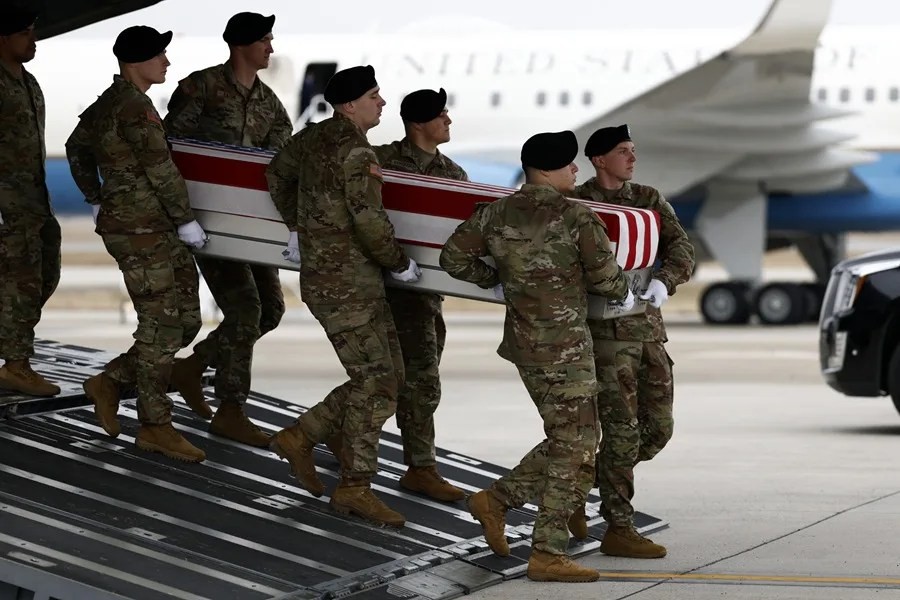
As tensions escalate in the Middle East, the Pentagon’s recent disclosure that approximately 140 American military personnel have been injured in Iranian attacks must serve as a wake-up call for Washington. While most injuries are reported as minor, eight soldiers face serious conditions requiring top-tier medical care. This mounting toll highlights a glaring question: how long will our brave service members bear the consequences of a mismanaged foreign policy?
Are American Lives Being Properly Prioritized?
The United States and Israel’s offensive against Iran has provoked a harsh response from Tehran, underscoring the complex risks involved when engaging in asymmetric warfare far from home soil. Beyond the tragic casualties — seven known deaths among U.S. troops with more potentially unreported — these injuries strain military readiness and morale on the front lines.
The recent death of an additional soldier under unclear circumstances in Kuwait further clouds transparency around this conflict’s human cost. President Trump has vowed to minimize troop fatalities; however, promises alone do not safeguard lives or secure lasting peace.
Every injury and loss abroad chips away at national sovereignty by entangling America deeper into foreign entanglements that drain resources without clear benefit to security at home. For families already burdened by inflation and rising economic uncertainty, endless overseas conflicts offer no relief—only endless sacrifice.
Why Is America Still Paying This Price?
Iran claims over 1,300 civilian deaths amidst these hostilities following targeted strikes that eliminated key leaders within its military hierarchy. But in this brutal calculus, it is America’s sons and daughters who are left defending freedom while confronting avoidable harm.
Washington must pivot toward strategies emphasizing robust defense and diplomatic prudence—principles championed by America First leadership that prioritize our national interests rather than globalist pursuits dragging us into perpetual wars.
The question remains: will policymakers endanger more American lives for questionable gains overseas? It is time to demand accountability, protect our troops effectively, and restore common-sense conservatism to foreign affairs.