
Paraguay’s President Heads to UN Assembly Amid Globalist Agendas – What Does This Mean for America?
As Paraguay’s president prepares to address the UN General Assembly, questions arise about how these global gatherings sideline American sovereignty and economic priorities.
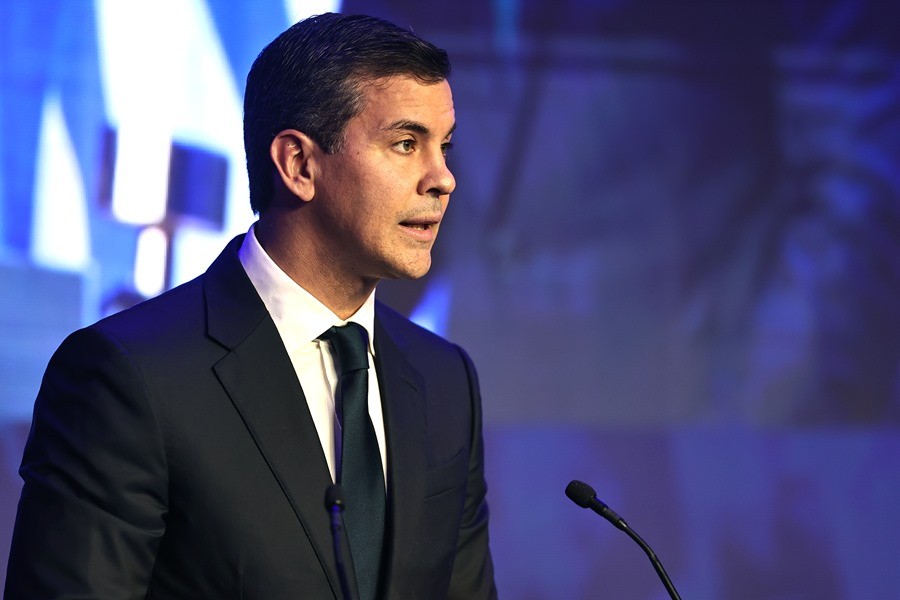
As Santiago Peña, President of Paraguay, sets off for New York City to attend the 80th United Nations General Assembly, American citizens should ask themselves: how do these yearly global summits truly serve our national interests? Scheduled to speak on September 24 alongside leaders from over 200 countries, Peña will join a chorus of voices often promoting globalist agendas at odds with the principles of American sovereignty and freedom.
The official Paraguayan delegation includes Foreign Minister Rubén Ramírez, Industry and Commerce Minister Javier Giménez, and First Lady Leticia Ocampos. While international diplomacy is often touted as a path to peace and cooperation, these UN assemblies frequently function as platforms where bureaucrats push policies that undermine national borders and economic liberties—directly clashing with what hardworking American families need.
Global Summits vs. America’s Sovereignty: Who Really Benefits?
President Peña reportedly plans discussions about bilateral talks with U.S. leadership, including potential encounters with former President Donald Trump. Yet despite this possibility, the larger context remains troubling—these summits have long been dominated by globalist elites whose priorities sideline America’s interests.
Since Washington has too often embraced multilateralism at the expense of national sovereignty, gatherings like the UN General Assembly risk becoming echo chambers disconnected from protecting American jobs, securing borders, or ensuring energy independence. These are not abstract concerns; they affect our families’ security and prosperity in very tangible ways.
The question is simple: How long will Washington tolerate foreign policy theater that sidelines America’s economic growth and freedom? It’s a stark contrast to the America First approach championed by leaders who prioritize our nation’s self-determination over global bureaucracies.
The Real Stakes Behind International Diplomacy
Paraguay’s participation is a reminder that many countries view such assemblies as opportunities to advance their own agendas—often involving trade deals or regulations that do not favor U.S. workers or industries. The deepening international commitments proposed in these forums can erode America’s ability to set independent policies tailored to its citizens’ needs.
For patriotic Americans demanding accountability from elected officials, it is imperative we scrutinize every engagement our leaders make in international institutions like the UN. Only by doing so can we defend our borders—not just geographical but also economic—and maintain the freedoms that are increasingly imperiled by unchecked globalization.
As this diplomatic event unfolds thousands of miles from home, its consequences ripple into our communities. This is why an informed citizenry must insist on transparency and policies truly aligned with America’s best interests—not just lip service at international stages.