
Papal Visit to Lebanon Masks Deeper Failures Amid Crisis
Pope Leo XIV’s message of peace in Lebanon highlights a nation ravaged by political instability and economic collapse—a crisis with broader implications for Western interests in the Middle East.
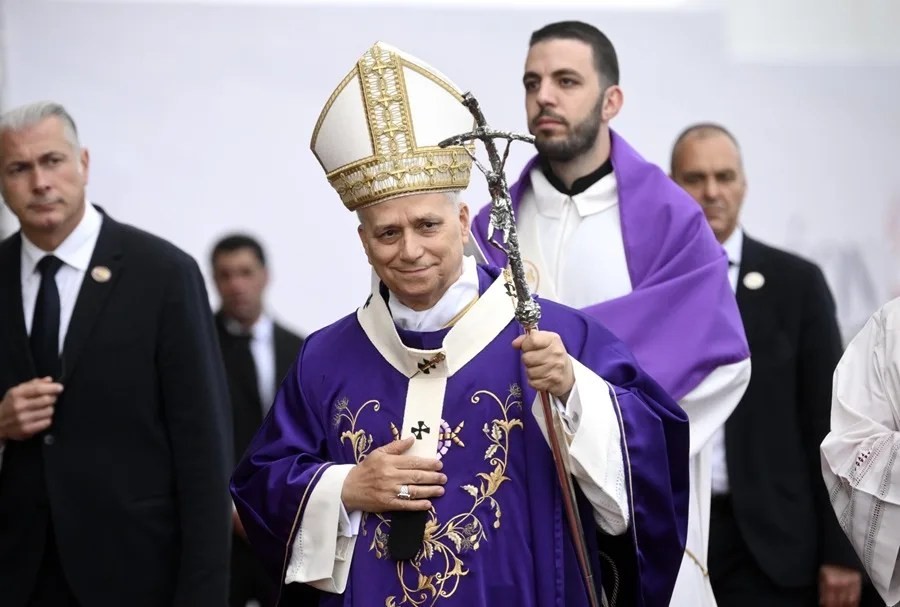
Beirut recently witnessed an emotional papal mass led by Pope Leo XIV, who addressed over 150,000 faithful along the city’s waterfront. His call for “justice and fraternity” in Lebanon resonates deeply but also exposes a persistent failure of governance that continues to destabilize this strategically vital country.
Why Does Lebanon’s Crisis Matter to America?
Lebanon is no stranger to turmoil—once home to a flourishing Christian population making up the majority, it now sees that figure fall below 30%, reflecting waves of emigration due to economic despair and political chaos. The pope’s visit showcased the human toll behind the headlines: shattered communities still reeling from the 2020 Beirut port explosion that killed nearly 250 people.
The significance extends far beyond Lebanon’s borders. A politically fragile and economically devastated Lebanon stands as a weak link in a volatile region where American interests demand stability. The power vacuum created by ongoing sectarian infighting opens pathways for hostile actors like Iran-backed Hezbollah to consolidate control, threatening U.S. allies and exports of energy resources through nearby corridors.
Have Globalist Solutions Failed America and Its Allies?
Pope Leo XIV urged Lebanese leaders to disarm their hearts and transcend ethnic divisions — words echoing global appeals for unity but lacking enforcement or accountability. How long will international institutions continue issuing hopeful platitudes while corruption drains Lebanese coffers and basic services collapse under unbearable strain?
This crisis underscores why America must champion policies prioritizing national sovereignty and regional stability rather than futile foreign aid programs propped up by bureaucratic elites disconnected from realities on the ground. Previous engagement frameworks failed because they overlooked local dynamics favoring strongman proxies at odds with American values of liberty and self-determination.
For working Americans concerned about domestic security and economic recovery, Lebanon’s plight is a stark reminder: neglecting strategic regions enables adversaries to expand influence unchecked. We cannot afford another failed state on our doorstep when border security at home remains challenged.
Pope Leo XIV’s departure leaves us questioning whether such symbolic gestures lead anywhere or only highlight the inertia that allows Lebanon’s suffering—and broader Middle East instability—to persist. Washington must reevaluate its approach boldly, supporting genuine reform efforts aligned with freedom-loving peoples seeking peace without external coercion.