
Pakistani Authorities Clamp Down on Radical Pro-Palestinian Protest Amid Rising Violence in Lahore
Over 100 arrests made as Pakistani police confront Tehreek-e-Labbaik Pakistan supporters rallying in Lahore. The unrest exposes dangers of extremist-driven protests that destabilize nations and have global security implications.
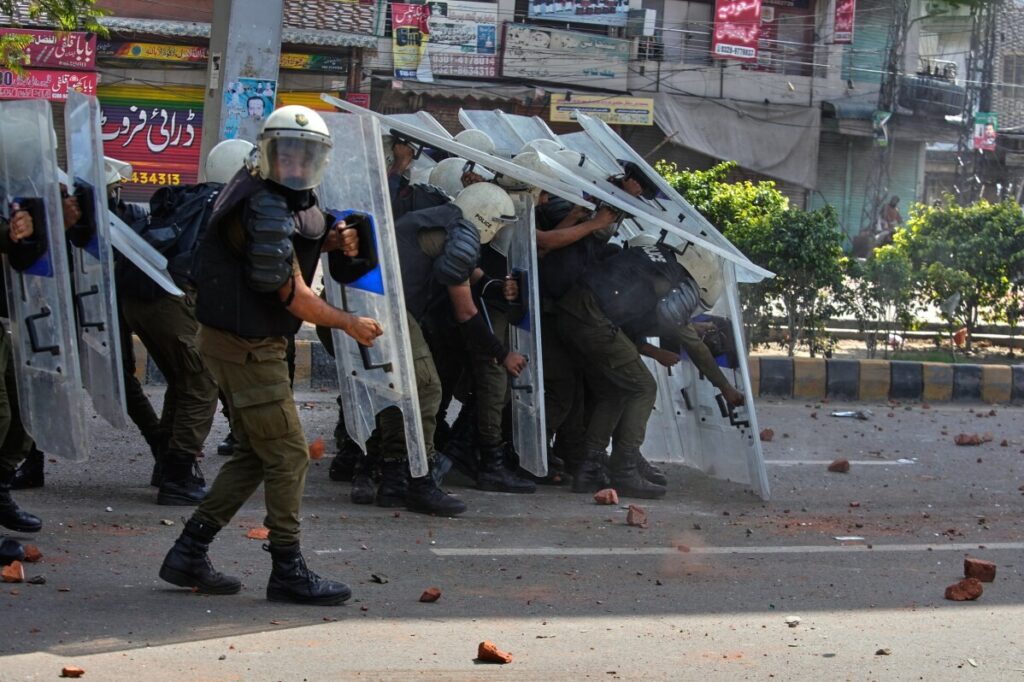
In a stark reminder of how radical political movements can spiral into chaos, Pakistani police have arrested more than 100 individuals following violent clashes with supporters of the Islamist group Tehreek-e-Labbaik Pakistan (TLP) in Lahore. The unrest, which began Friday and continues unabated, underscores the dangerous volatility such groups bring—not only to Pakistan’s internal stability but also to regional and global security.
When Political Extremism Breeds Chaos, Who Pays the Price?
The TLP, a radical party known for its hardline stance on blasphemy laws and Islamic orthodoxy, rallied thousands—estimated between 8,000 and 10,000—to march from Lahore to Islamabad under the banner of solidarity with Palestinians. Yet this seemingly humanitarian cause masks a more troubling reality: militant agitation that disregards law and order.
Authorities denied permission for the march in the capital due to legitimate security concerns; nevertheless, protesters resorted to violent tactics including stone-throwing and vehicle seizures. Official reports reveal at least 112 police officers were injured, multiple vehicles damaged or destroyed, and many officers remain unaccounted for amid this bedlam.
Why Should America Care About Unrest Thousands of Miles Away?
While these events may seem distant geographically, their impact resonates directly with American interests. Instability in Pakistan—a nuclear-armed nation already grappling with terrorism—heightens risks to global security frameworks. Radicals like TLP exploit foreign conflicts as pretexts for domestic disorder that undermines sovereignty and invites extremist influence.
Moreover, governments responding with internet blackouts, transport shutdowns, and forceful crackdowns risk fueling unrest further instead of tempers cooling. For American policymakers committed to promoting national sovereignty and countering extremist ideologies worldwide, watching how Pakistan manages or fails this crisis offers crucial lessons.
This turmoil poses serious questions: How long will global audiences tolerate unchecked radicalism that disrupts peace? What consequences arise when governments appear helpless before those who weaponize religion against civil order? And most importantly for Americans—is Washington prepared to support allies who defend freedom against such forces?
A firm respect for rule of law and measured responses rooted in freedom are essential both at home and abroad. Countries aligned with these principles—and leaders who prioritize national stability over appeasement—offer a bulwark against chaos threatening liberal democracies everywhere.
With Lahore’s streets sealed off, citizens trapped without access to work or emergency services face mounting hardship while violence simmers. This is a stark picture of what happens when governance yields to extremism. America must remain vigilant about how these dynamics unfold—not as distant spectators but as defenders of liberty supporting sovereign nations fending off destabilizing ideologies.