
Pakistan Warns Taliban’s Afghanistan Is Breeding Terrorism Worse Than Pre-9/11 Era
Pakistan’s president exposes how the Taliban regime fosters terrorism that threatens regional stability and global security—warning signs Washington must heed to protect American interests.
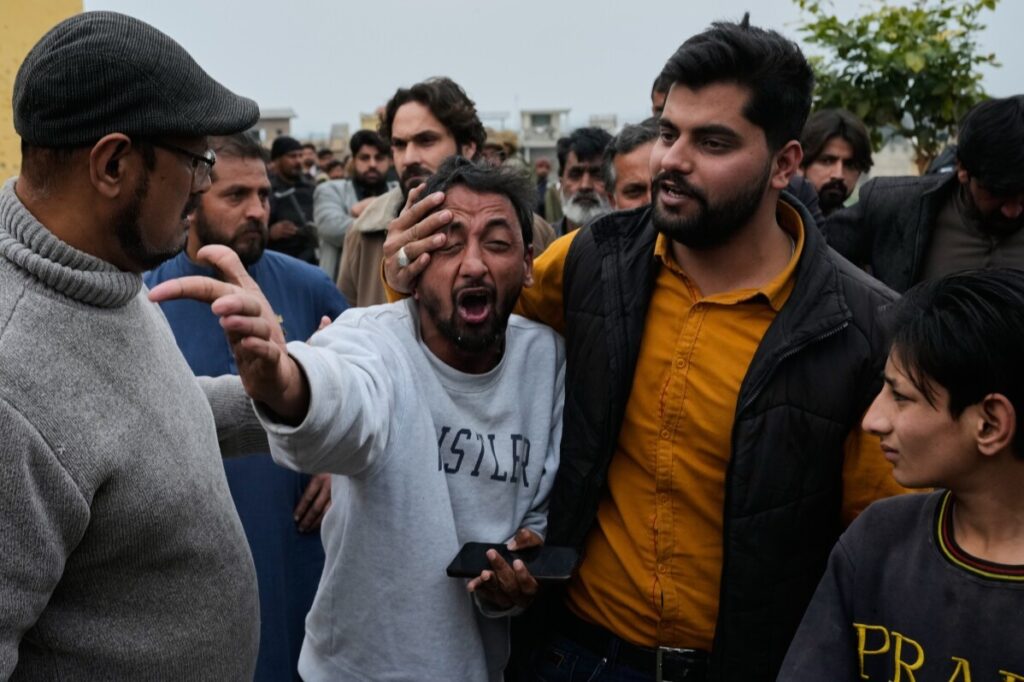
In a chilling reminder of past failures, Pakistan’s President Asif Ali Zardari has issued a stark warning: the Taliban-led government in Afghanistan is cultivating conditions “similar to or worse than” those before the September 11, 2001 attacks. As militant violence spreads from Kabul into Pakistan’s capital Islamabad, American policymakers must recognize these developments as a direct threat to national security.
Is History Repeating Itself on America’s Doorstep?
The mosque suicide bombing in Islamabad that killed 31 worshippers last week revealed more than just local vulnerability; it exposed how terror networks nourished under the Taliban’s rule continue to fester. Despite cautious diplomacy, Zardari did not mince words. While stopping short of naming India directly, he accused New Delhi of supporting the Taliban regime and destabilizing the region—a geopolitical chess game that undermines not only Pakistan but global peace efforts.
Why should this matter to America? The original Taliban regime gave safe harbor to Al-Qaida—the architects of 9/11—allowing them to operate training camps right within Afghan borders. These historic oversights led to one of the gravest attacks on U.S. soil. Today’s warnings suggest similar threats are again taking root, undercutting hard-won gains in the fight against terrorism and risking a resurgence of groups like ISIS affiliated with local Pakistani militants.
Accountability Is Long Overdue—Can Washington Afford Inaction?
Pakistan’s accusations come amid an ongoing investigation identifying suicide bomber links to ISIS training within Afghanistan — yet Kabul and New Delhi deny involvement. This denial echoes past refusals that blinded many international actors to mounting dangers inside Afghanistan. Meanwhile, Pakistan battles rising militant violence from factions allied with but distinct from the Afghan Taliban.
The stakes are clear. If terrorist sanctuaries persist unchecked beyond Afghanistan’s borders, they will inevitably destabilize South Asia and provide breeding grounds for attacks that could once again threaten American lives and interests abroad and at home.
Zardari’s comments underscore a painful truth: combating terrorism requires honest confrontation rather than political convenience. The international community must stop tolerating proxy wars and terror facilitation under plausible deniability—only then can true regional peace emerge.
This moment demands American leadership rooted in vigilance over foreign terror havens. How long will Washington permit Afghanistan once again to become a launchpad for extremist violence threatening our homeland?