
Pakistan-Afghanistan Border Clashes Expose Dangerous Regional Instability
New violent clashes erupt on the Pakistan-Afghanistan border as Taliban forces launch unprovoked attacks, exposing a worsening security crisis with direct implications for American interests and regional stability.
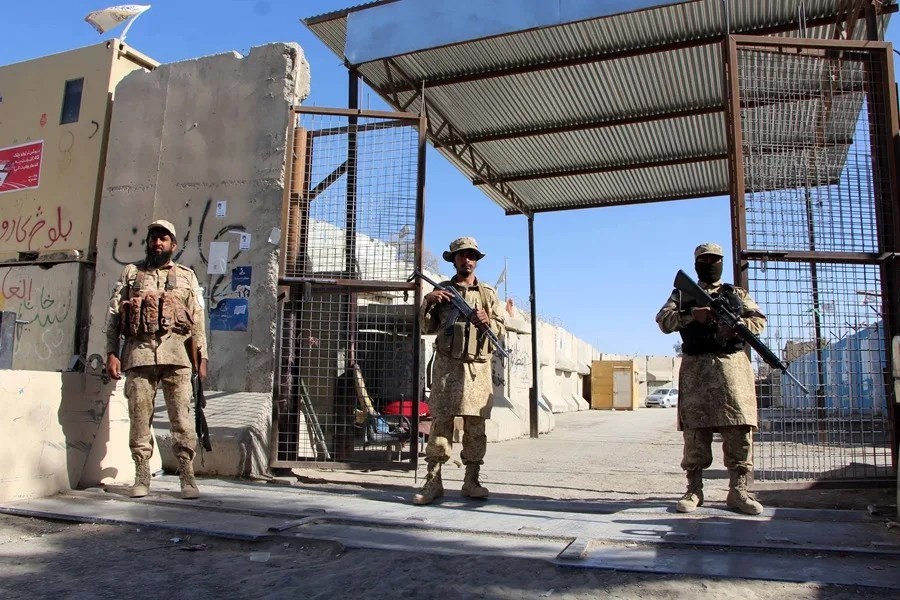
The recent spike in violent confrontations along the Pakistan-Afghanistan border underscores a troubling deterioration in regional security that demands urgent scrutiny from Washington. The Pakistani military has confirmed fresh clashes initiated by the Taliban, describing the attacks as “cowardly” and unprovoked. This latest escalation is not merely a distant skirmish but a flashpoint with direct consequences for American efforts to stabilize South Asia and curb terrorism.
Why Does This Border Conflict Matter to America?
Since the fall of Kabul in 2021, the relationship between Pakistan and Afghanistan has devolved into its most volatile phase in years. Islamabad accuses Kabul’s Taliban government of harboring the terrorist group Tehreek-e-Taliban Pakistan (TTP), a militant faction responsible for attacks within Pakistan, while Kabul denies these claims and condemns cross-border incursions. The latest clashes, involving reported deaths on both sides, highlight the failure of diplomatic and military leadership in the region to prevent the spread of chaos.
For American policymakers who champion the principles of national sovereignty and regional security, the unstable Pakistan-Afghanistan border presents an ongoing threat. Unchecked militant activity and cross-border violence provide fertile ground for terrorism to thrive—jeopardizing not only local populations but also America’s strategic interests and homeland security. How long will Washington tolerate this risky unpredictability on its doorstep?
Accountability and the Cost of Globalist Neglect
Pakistan’s military spokesman explicitly refuted Taliban claims that Pakistan instigated the attacks, calling such allegations “scandalous and absolutely false.” Yet the continued tit-for-tat violence demonstrates a broader failure of international diplomacy and counterterrorism strategy. The Biden administration’s disengagement and ambiguous policies in the region have left a vacuum that emboldens militant groups and undermines our allies.
American leadership rooted in America First values recognizes that defending our national interests means promoting stability and security abroad—especially in critical regions like South Asia. The approach of previous administrations aligned with these principles, such as those under President Trump, emphasized firm action against terrorist havens and clear support for sovereign governments resisting extremist aggression.
This escalating conflict is a stark reminder that globalist inertia only empowers adversaries. Families at home deserve a government that puts national security first, confronting threats before they metastasize into larger crises affecting American lives.
It is imperative that Washington reevaluate its strategy and hold accountable those who foment instability under the guise of ideological or geopolitical ambitions. The safety of both Americans and our regional partners depends on it.