
Opposition Forces Rally Across Latin America After Maduro’s Capture: What Does This Mean for Venezuela and U.S. Policy?
Venezuela’s opposition, led by María Corina Machado, calls for continent-wide protests in response to Nicolás Maduro’s capture by U.S. forces, pushing for national sovereignty and democratic restoration amid regional tension.
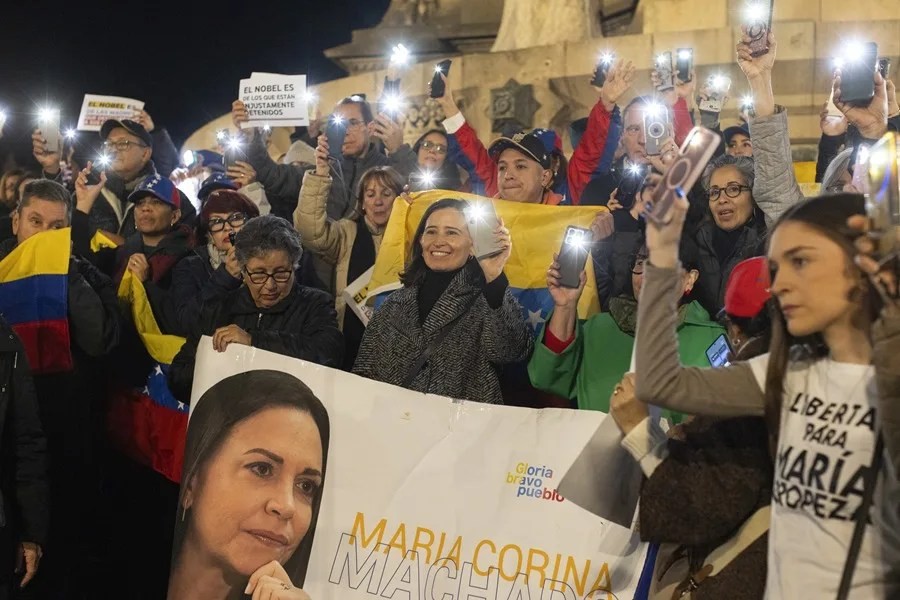
On January 4th, the Venezuelan opposition party Vente Venezuela, headed by prominent figure María Corina Machado, initiated calls for demonstrations across multiple Latin American cities. These protests aim to defend “popular sovereignty” following the controversial arrest of President Nicolás Maduro by U.S. forces—a bold move that has ignited both hope and debate over America’s role in the region.
From Quito to Bogotá and from Cancun to Montevideo, Venezuelan expatriates and sympathizers gather to demand freedom, the release of political prisoners, and a return to constitutional order. As the opposition declares “the hour of liberty” approaching for Venezuela, questions arise: Can this wave of activism translate into lasting change? And how will Washington navigate its commitment to national sovereignty while confronting a regime long known for corruption and authoritarianism?
Is U.S. Intervention Advancing or Undermining Sovereignty?
The recent apprehension of Maduro by American forces represents a stark assertion of U.S. influence in a region where respect for sovereignty must remain paramount. While many applaud an end to a dictatorship that has devastated Venezuela’s economy and displaced millions, others fear this intervention risks further destabilizing the fragile political landscape.
Yet we must ask: How long can the United States stand on the sidelines while Venezuela suffers under oppressive leadership? The America First principle demands protecting our hemisphere from chaos that inevitably spills across borders—fueling migration crises and economic turmoil that impact everyday Americans.
María Corina Machado’s call for transition leadership under Edmundo González Urrutia underscores the need for constitutional legitimacy rather than power vacuums exploited by globalist interests seeking to weaken our ally nations from within.
From Protests to Policy: What Comes Next?
- Regional unity: Demonstrations spanning Latin America signal an emerging continental consensus rejecting tyranny and embracing freedom.
- U.S. responsibility: With direct action taken against Maduro’s regime, Washington must support clear pathways toward democracy without succumbing to overreach or unintended consequences.
- Guarding against chaos: The transition period is precarious; vigilance is essential to prevent disruption that hurts both Venezuelans and American interests alike.
This moment presents a test of principles over politics—will policymakers choose strategic patience aligned with America First ideals or fall prey to reckless interventionism that jeopardizes hemispheric stability?
The road ahead demands clear-eyed resolve rooted in respect for democratic institutions, national sovereignty, and economic prosperity—the very foundations upon which freedom-loving Americans build their future.