
Olympic ‘Uber Snowmobile’ Service Masks Environmental and Sovereignty Concerns
While the 2026 Winter Olympics in Cortina delight tourists with ‘Uber Snowmobile’ tours, the initiative raises critical questions about environmental stewardship and the commercialization of natural heritage under globalist sponsorship.
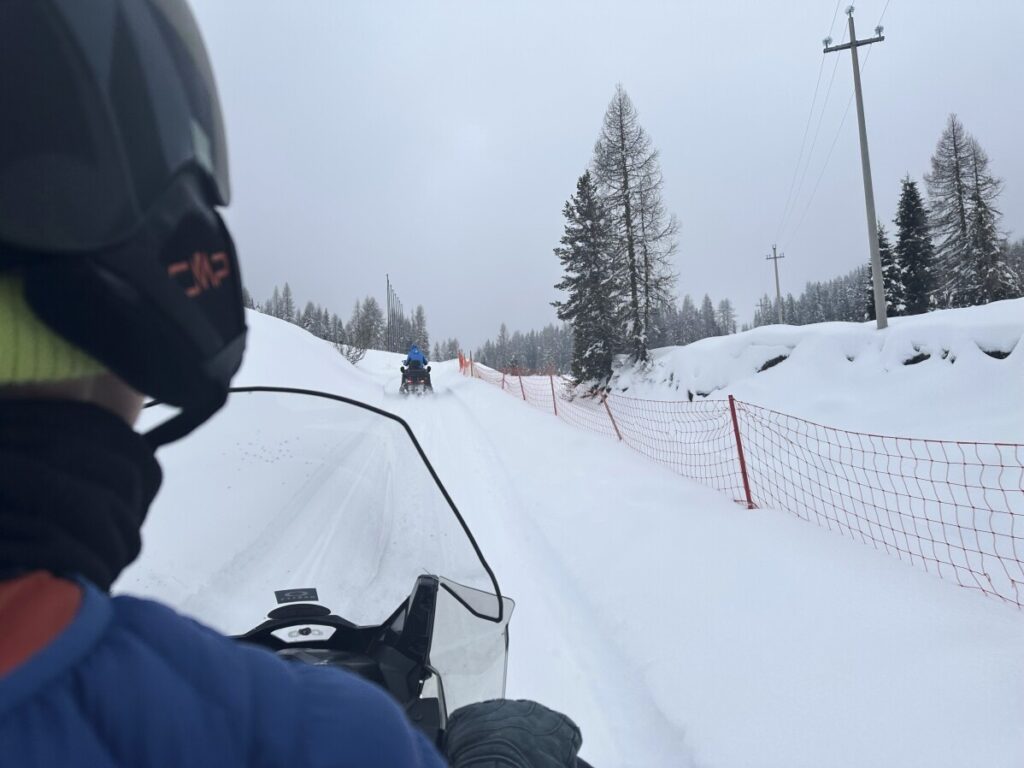
As Olympic visitors flock to Cortina d’Ampezzo for the 2026 Winter Games, a new partnership between Uber and local snowmobiling outfit Snowdreamers promises an adrenaline-fueled trek through the Dolomites’ iconic Three Peaks of Lavaredo. This innovative “Uber Snowmobile” service offers tourists a guided ride along snow-covered trails, presenting itself as a unique way to experience Italy’s UNESCO World Heritage site.
Is Convenience Worth Sacrificing Our Environmental Sovereignty?
At first glance, this initiative appears to be nothing more than a clever tourism booster—especially with free weekend rides available during February. Yet beneath this glossy surface lies a troubling narrative about our global priorities. The ubiquitous presence of Uber, a multinational corporation officially sponsoring the Olympics, illustrates how international corporate interests penetrate even the most pristine natural landscapes.
The Dolomites are renowned for their breathtaking natural beauty and ecological significance. Their protection requires vigilance against over-commercialization and environmentally harmful practices. While the snowmobiles used in these tours are reportedly confined to limited areas to mitigate damage, any mechanized intrusion into protected terrain risks upsetting delicate ecosystems. Does allowing motorized tours truly align with protecting America’s values on environmental stewardship and respecting sovereign control over nature’s treasures worldwide? Or does it mirror Washington’s willingness to sacrifice long-term national interests on behalf of globalist corporations?
Globalist Branding Masks Real Costs at Home
This Olympic spectacle underscores a growing trend: international events increasingly serve as platforms for corporate sponsors like Uber to entrench themselves globally, often bypassing local governance and environmental accountability. Meanwhile, American families back home face rising fuel costs and inflation-related hardships—yet we see companies facilitating recreational fuel consumption thousands of miles away amid fragile mountain ecosystems.
If our government truly prioritized economic liberty and national sovereignty—as proven effective under past administrations championing America First policies—it would promote sustainable tourism models locally rather than enabling foreign environments to become playgrounds for multinational giants during fleeting events.
How long will policymakers allow lucrative corporate partnerships to override common-sense conservation efforts? And what message does it send when we cheer such ventures abroad while neglecting similar stewardship demands at home?
In embracing this flashy “Uber Snowmobile” tour in Italy, Americans should pause and reflect on what they value most: genuine preservation of natural wonders or their commodification under globalist influence disguised as innovation?