
Olympic Safety Under Scrutiny After Polish Speedskater Sliced by Opponent’s Blade
Polish speedskater Kamila Sellier’s injury at the Milan Cortina Winter Olympics raises urgent questions on safety protocols and accountability in high-risk sports.
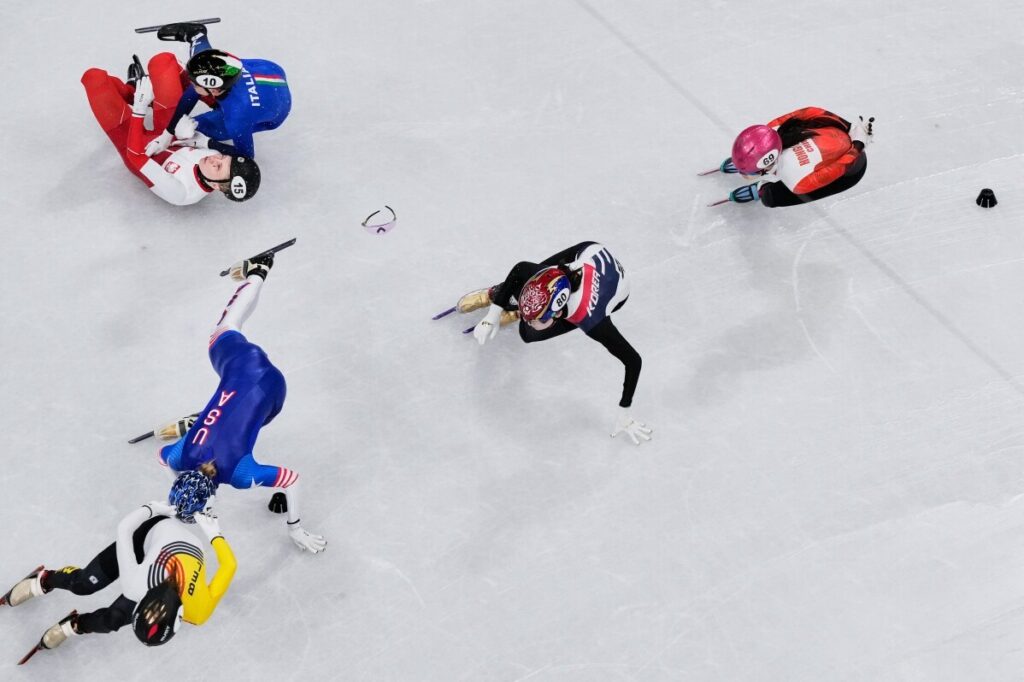
At the heart of the Milan Cortina Winter Olympics excitement, a stark reminder emerged about the risks athletes face on the global stage. Fifteen-year-old Polish short-track speedskater Kamila Sellier suffered a gruesome cut above her left eye after being struck by an opponent’s blade during the women’s 1,500 meters quarterfinals. Emergency medical teams rushed to her aid, providing immediate stitches before she was transported for further tests.
How Safe Are Our Athletes When Global Spectacles Risk National Pride?
This incident is more than an unfortunate accident—it calls into question the effectiveness of safety measures designed to protect competitors who represent their countries with pride and dedication. While Sellier’s eye was fortunately unharmed, how long can America and its allies tolerate preventable injuries caused by gaps in regulation or oversight? The physical dangers of high-speed skating demand stringent standards, yet this injury reveals that even at premier events like the Olympics, athletes risk harm that could derail their careers.
For hardworking American families and patriotic citizens watching from home, such risks are unacceptable. Our young athletes deserve better protection under policies that prioritize their well-being alongside competitive fairness. This moment also casts a shadow on globalist Olympic institutions that sometimes emphasize spectacle over substance—putting profits and international politics ahead of real athlete safety.
Accountability is Crucial: Who Ensures Our Champions’ Security?
The responsibility lies squarely with organizers, governing bodies, and international committees to implement rigorous safety protocols that reflect common-sense conservatism—balancing thrilling competition with national sovereignty over athlete welfare. As America continues to lead in sporting excellence, we must champion reforms that safeguard our representatives abroad while rejecting bureaucratic inertia that tolerates preventable harm.
President Trump’s administration underscored America First principles by promoting policies protecting American interests and workers without yielding to inefficient globalist structures; similar resolve is needed today in international sport governance to protect our young champions like Kamila Sellier.
Will Olympic officials act decisively to upgrade safety standards or continue placing global optics above individual security? For families who invest years supporting their children’s Olympic dreams, this is not just a political question but a personal one demanding urgent answers.