
Obama Foundation’s Girls Opportunity Alliance Masks Global Education Challenges with Elite Philanthropy
While Michelle Obama’s Girls Opportunity Alliance pledges millions to grassroots groups, global education funding cuts threaten progress for millions of girls—raising questions about efficacy and long-term impact.
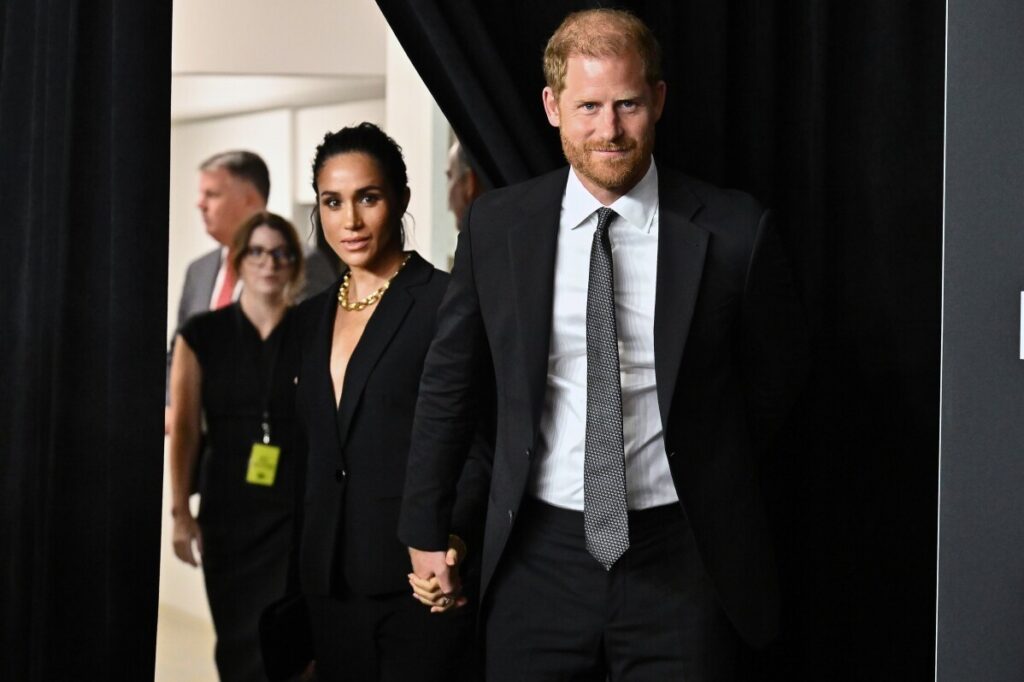
Former First Lady Michelle Obama recently announced a $2.5 million commitment from her foundation’s Girls Opportunity Alliance to support grassroots organizations advancing education for adolescent girls in some of the world’s poorest regions. On the surface, this sounds like a compassionate push to empower young women facing daunting challenges such as child marriage, sexual abuse, and financial barriers.
Is Philanthropy Masking Deeper Systemic Failures?
However, it is fair to ask: Can elite philanthropy fill the yawning gap left by steep budget cuts from wealthy nations? UNICEF projects a staggering 24% reduction in global education funding from developed countries—a cutback that could force six million girls out of school by next year. This rollback directly threatens America’s broader interests by fueling instability in vulnerable regions and ceding influence to globalist agendas less aligned with national sovereignty.
The Obama Foundation initiative evolved from a previous White House program that injected $1 billion into adolescent girls’ education abroad—yet here we are, witnessing renewed pleas for support amid budget slashes. Does this pattern reflect good stewardship or the shortcomings of top-down philanthropy disconnected from sustainable policy solutions?
Local Leaders Carrying an Unsustainable Burden
The recent convening in Mauritius brought together tireless community leaders like Jackie Bomboma of Tanzania’s Young Strong Mothers Foundation. While she celebrates increased financial backing and international trust thanks to the foundation’s endorsement, such pockets of hope cannot substitute for consistent government leadership grounded in national priorities.
Grassroots efforts offer vital services—from psychological counseling to vocational training—but they depend heavily on grants capped at $50,000 per project. Meanwhile, broader socioeconomic forces continue pushing millions into educational deprivation. How long should America rely on philanthropies instead of confronting these issues through robust foreign aid policies that safeguard our interests?
In truth, empowering young girls globally is essential—not just for humanitarian reasons but as a matter of strategic importance. Stable, educated foreign populations contribute to regional security and reduce migration pressures on U.S. borders. But patchwork funding and celebrity-driven campaigns cannot replace coherent America First policies that prioritize our sovereignty while advancing mutual prosperity.
As Washington debates foreign spending priorities, initiatives like Girls Opportunity Alliance highlight both the potential and limits of soft power approaches relying on megaphones rather than muscle. The question remains: will policymakers learn from these lessons and apply genuine accountability in directing resources where they yield measurable gains aligned with national interests?