
North Korea’s Drone Accusations Reveal a Dangerous Escalation on the Peninsula
North Korea claims South Korean spy drone incursions, warning of severe retaliation amid ongoing regional tensions—posing direct challenges to America’s strategic interests in East Asia.
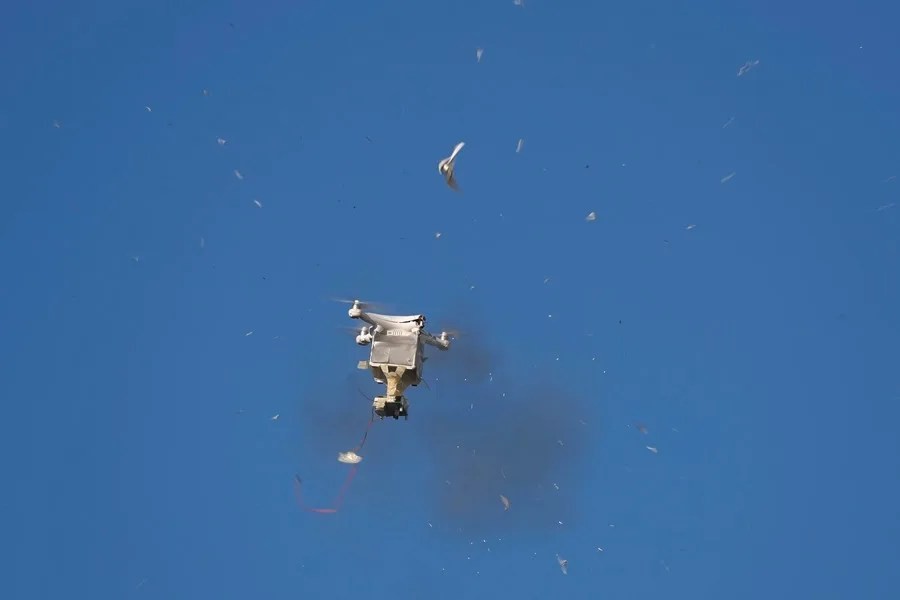
In a chilling development that underscores the fragile security situation on the Korean Peninsula, North Korea has accused South Korea of launching two spy drones across their heavily militarized border—actions Pyongyang warns will come at a steep cost. The claims, released by North Korea’s state news agency KCNA, highlight not only ongoing provocations but also signal increased volatility that could undermine regional stability and American strategic priorities.
Are Washington and Seoul Prepared for the Rising Threat?
North Korea alleges these drones—one downed in September last year and another in early January this year—were dispatched from restricted frontline zones within South Korean territory. According to Pyongyang, the drones collected extensive video intelligence before being shot down near Kaesong, a city notoriously close to the Demilitarized Zone (DMZ). This proximity reinforces concerns about how easily incidents can escalate into broader conflict.
But beyond these confrontations lies a deeper question: How long will U.S.-backed Seoul tolerate such provocations without escalating its own defensive posture? The new South Korean government under President Lee Jae-myung has expressed intentions to restart dialogue with the North—a welcome shift from Washington’s perspective committed to peaceful resolution. Yet, North Korea dismisses these overtures as mere posturing, branding them as “impermissible hysteria” that demands costly retribution.
Implications for America First Security and Sovereignty
This standoff is not merely a regional squabble; it strikes at the heart of America’s national security interests. An unstable Korean Peninsula threatens U.S. military bases in South Korea and Japan and jeopardizes alliances critical to countering China’s expanding influence. Moreover, Pyongyang’s belligerence complicates efforts toward denuclearization—a cause championed by previous America First policies emphasizing strong defense coupled with diplomatic leverage.
As Washington weighs its response, it must remain vigilant against globalist distractions that downplay sovereign security in favor of hollow diplomacy. True freedom and safety demand robust deterrence rooted in clear accountability. Will policymakers hold Seoul accountable for actions provoking Pyongyang’s threats? Or will they allow geopolitical inertia to endanger American families and allies alike?
The recent drone incidents serve as stark reminders: unchecked aggression anywhere on Earth eventually ripples back home. For citizens concerned about national sovereignty and peace through strength, ignoring these developments risks undermining both.