
North Korean Border Crossings Expose Risks Amid South Korea’s Softened Stance
A lone North Korean man crossed into South Korea’s heavily fortified border zone, raising urgent questions about national security as Seoul’s new leadership softens its stance on Pyongyang.
In a stark reminder of lingering threats along the Korean Peninsula’s most dangerous boundary, an unidentified North Korean man made an unauthorized crossing into South Korea through the heavily fortified Demilitarized Zone (DMZ). The South Korean military swiftly took him into custody Thursday night after tracking his movement near the central-west section of the military demarcation line.
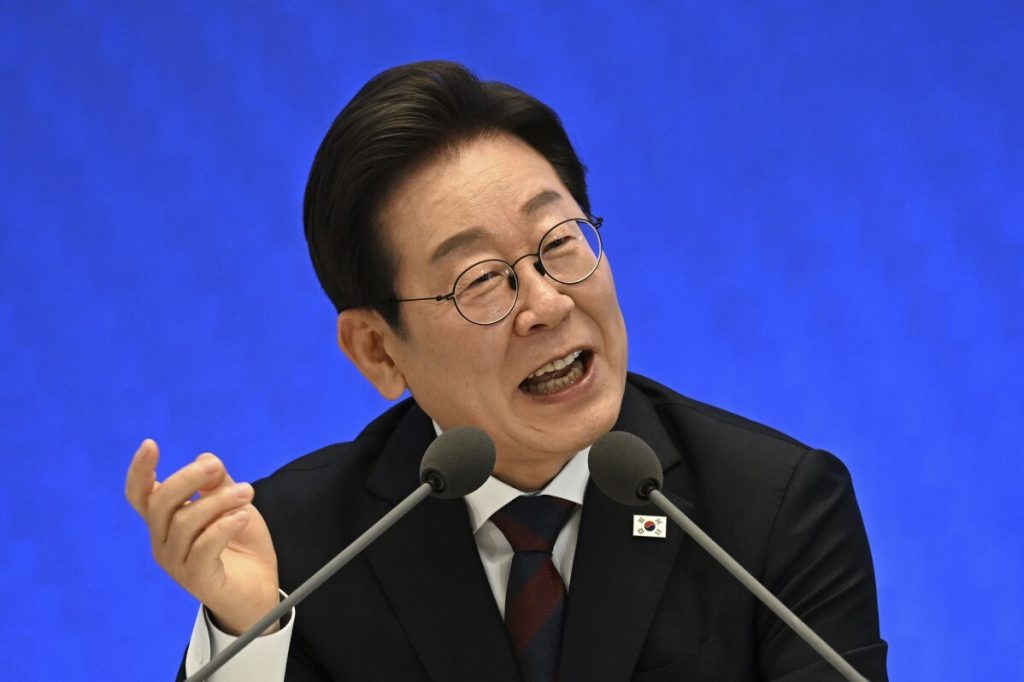
This incident comes amid a notable shift in South Korea’s approach under newly inaugurated President Lee Jae Myung, who has moved to ease frontline tensions by halting anti-Pyongyang loudspeaker broadcasts and curbing activist-driven propaganda balloon flights across the border. While these conciliatory gestures may aim to rebuild trust with Pyongyang, they also risk undermining vigilance at a border that remains one of the world’s most volatile flashpoints.
Security Concerns Persist Despite Diplomatic Outreach
The Joint Chiefs of Staff reported that after identifying themselves as South Korean troops, their team safely guided the unarmed man out of the mine-strewn DMZ. However, no official conclusion has yet been reached regarding whether this was a defection or an intelligence-gathering maneuver by the North. The lack of immediate signs of unusual North Korean military activity offers limited reassurance considering past provocations.
Recent months have seen heightened psychological warfare between the two Koreas—North Korea regularly dispatches thousands of propaganda-laden balloons toward the South, while Seoul pursues restrained responses under President Lee’s administration. Despite a ceasefire since 1953, incidents such as April’s warning shots fired at approximately ten North Korean soldiers who briefly crossed the military demarcation line underscore how quickly hostility can escalate.
The Strategic Risk of Relaxed Frontline Measures
This delicate situation unfolds against a backdrop of stalled diplomacy following failed denuclearization talks between Washington and Pyongyang in 2019. Since then, Kim Jong Un has accelerated nuclear weapons development and repeatedly issued threats targeting both Washington and Seoul. The previous conservative government responded robustly with strengthened joint military exercises involving U.S. and Japanese forces—actions condemned by Pyongyang as provocative invasion rehearsals.
South Korea’s current softer posture must be scrutinized for potential vulnerabilities it introduces along its borders. With unpredictable adversaries like North Korea exploiting any sign of weakness, America and our allies cannot afford complacency in securing these critical frontlines protecting our shared democratic values and strategic interests.
America First Means Vigilance at Every Border
This incident clearly illustrates why unwavering defense readiness is essential even when political winds favor engagement over confrontation. The United States must continue supporting its allies on the peninsula with robust intelligence sharing and coordinated defense initiatives to deter any hostile actions from totalitarian regimes threatening regional stability.
Let this be a wake-up call: freedom requires more than diplomacy—it demands preparedness and resolve to protect our nations from covert incursions that jeopardize sovereignty.