
North Carolina Governor Stein’s Veto Shields Utility Giants at the Expense of Consumers and Energy Freedom
Governor Stein vetoes a bill to repeal an interim greenhouse gas reduction mandate, siding with utility monopolies over consumer interests and energy diversity.
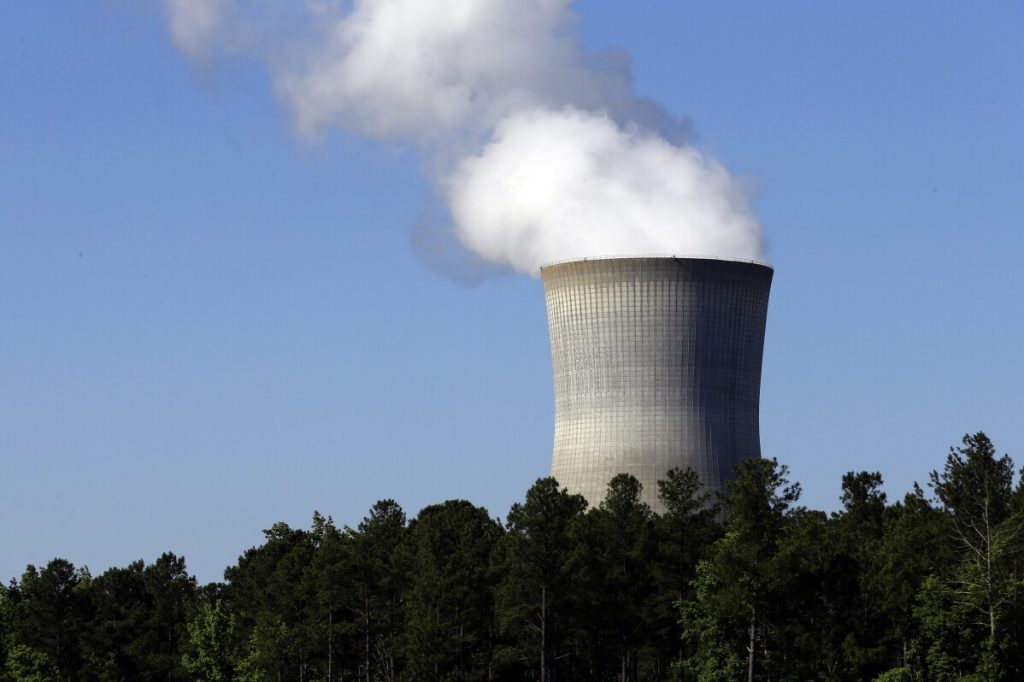
In a move that raises serious questions about priorities in North Carolina leadership, Governor Josh Stein vetoed legislation aimed at repealing an interim mandate requiring a 70% reduction in power plant carbon emissions by 2030. This veto not only stalls meaningful progress toward cleaner energy but also appears to favor the entrenched monopoly of Duke Energy at the expense of consumers and economic pragmatism.
The original 2021 law set ambitious but necessary goals for reducing carbon dioxide output from electrical generation, reflecting a rare bipartisan agreement between then-Governor Roy Cooper and Republican lawmakers. The intent was clear: to encourage diverse energy sources and protect consumers from volatile fuel markets like natural gas.
Stein’s veto undermines this balanced approach by rejecting efforts that would moderate costs for North Carolinians. By insisting on strict interim reductions without flexibility, the law pressures regulators to pursue costly renewable projects that immediately spike rates—an outcome that benefits neither working families nor small businesses struggling with rising expenses.
Proponents of repeal correctly argue that focusing solely on a distant 2050 carbon neutrality goal allows for intelligent, cost-effective planning now. The state’s Utilities Commission has already acknowledged practical realities by pushing back the original 2030 deadline by several years. Moreover, a state agency analysis revealed that removing the interim mandate could trim Duke Energy’s projected $13 billion expenditure on power infrastructure over 25 years—a significant saving that could translate into lower bills.
But Stein dismissed these findings while echoing environmentalist alarmism, ignoring how overreliance on natural gas and forced rapid shifts to renewables can destabilize both energy supply and consumer affordability.
This veto also entrenches Duke Energy’s dominance further through provisions enabling them to seek higher electric rates upfront for nuclear or gas plant financing—further insulating them from market discipline and passing even more costs onto ratepayers.
A Question of Accountability and Priorities
The governor claims he is protecting consumers and promoting economic growth. But whose economy? The heavy hand of corporate utility interests benefits when regulations hamper competition and innovation. Meanwhile, families face escalating power bills without relief in sight.
And let’s not overlook Stein’s simultaneous veto of measures aimed at bolstering government transparency—another flagrant dismissal of accountability that taxpayers deserve.
Putting America First Means Fighting Utility Monopolies
This isn’t just about North Carolina; it’s about defending American families from regulatory overreach tied to special interests disguised as environmental concern. True America First leadership promotes energy independence balanced with affordability—not mandates that reward monopolies while hurting consumers.
The question we should ask is simple: will our elected officials stand with hardworking Americans demanding reasonable energy policies or continue capitulating to corporate giants under the guise of climate action?