
Nigeria’s New Army Chief Vows Aggressive Fight Against Terrorism Amid U.S. Pressure
As Nigeria faces increasing violence in the north, its new army chief pledges a decisive military campaign against terrorists — but will this restore stability without outside interference?
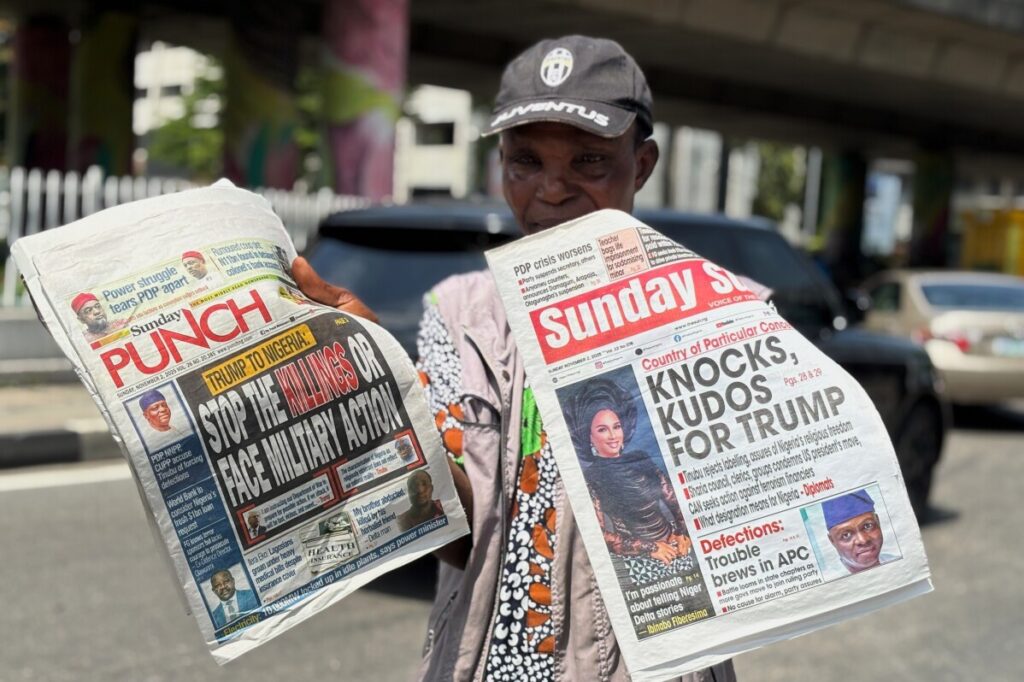
How long can Nigeria withstand escalating terror before sovereignty is compromised? In Maiduguri, the new Chief of Army Staff, Lt. Gen. Waidi Shaibu, has issued a bold promise to intensify the fight against terrorism plaguing northern Nigeria. His stance comes amid rising international pressure, including stark warnings from former U.S. President Donald Trump threatening direct military involvement if Nigerian authorities fail to secure their citizens.
At the heart of this conflict lies a complex and deeply entrenched crisis that Washington seems eager to oversimplify. Trump’s recent declaration to “wipe out the Islamic Terrorists” and label Nigeria as “a country of particular concern” for its treatment of Christians risks distorting the multifaceted reality on the ground—and threatens Nigeria’s national sovereignty by inviting foreign meddling under the pretext of protecting religious groups.
The Challenge Behind the Battle: More Than Just Religious Conflict
Nigeria is home to roughly equal Christian and Muslim populations, yet violence here cannot be painted with broad strokes of religious persecution alone. Boko Haram extremists do operate under a radical Islamic agenda, targeting not only Christians but also Muslims who reject their ideology. Beyond terrorism, violent clashes stem from land disputes between farmers and herders, ethnic rivalries, and secessionist movements—all factors contributing to instability that weakens this gateway African nation critical to U.S. interests.
For decades, Nigerian forces have struggled to contain these threats due to limited resources and fragmented approaches—an issue Lt. Gen. Shaibu acknowledges by promising new combat platforms and enhanced support for troops as they enter what he calls a “critical phase.” Yet questions remain: Will Abuja prioritize pragmatic solutions rooted in national sovereignty? Or will foreign pressures push it into compromises that undermine long-term stability?
Why America Must Support Sovereign Solutions Over Military Overreach
U.S. leadership must recognize that true security for Nigeria—and by extension regional stability—comes from empowering Nigerian forces rather than unilateral intervention cloaked in humanitarian rhetoric. The Trump administration’s aggressive posture risks militarizing a complex problem without addressing root causes or respecting Nigerian autonomy.
Supporting Nigeria’s self-directed efforts aligns with America First values by fostering strong partnerships based on mutual respect rather than imposing top-down solutions prone to failure and blowback.
As Americans committed to freedom and global order grounded in respect for national sovereignty, we should advocate for policies enhancing Nigerian capabilities while encouraging diplomatic engagement that respects local realities.