
New Flotilla to Gaza: Civilian Aid or a Political Provocation Against Israel?
A massive international flotilla is set to sail to Gaza in March, challenging Israeli security measures under the banner of humanitarian aid—raising questions about political motives and regional stability.
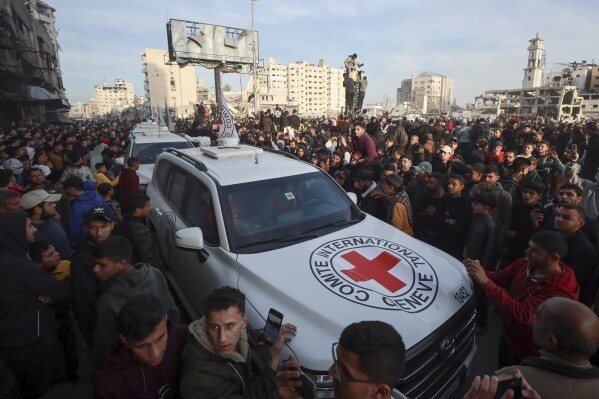
As tensions simmer on the Mediterranean, an announced flotilla of over 100 civilian boats plans to sail towards Gaza in March, led by activists including Mandla Mandela. While framed as a humanitarian mission, this mobilization raises critical concerns about its impact on Israeli sovereignty and regional security.
Is This a Genuine Humanitarian Effort or a Strategic Challenge to Israel’s Security?
The recent announcement at Johannesburg’s Nelson Mandela Foundation boasts the largest civilian-led convoy against Israel’s actions in Gaza yet. The organizers promise participation from over a thousand activists – doctors, engineers, and war crime investigators – supported by land convoys crossing multiple borders.
Yet Washington and many American policymakers recognize Israel’s right to secure its borders against potentially hostile entities. Having suffered terror attacks emanating from Gaza for years, Israel’s suspensions of some humanitarian organizations reflect legitimate security concerns rather than arbitrary obstruction. How long should America stand silent as these flotillas test the limits of international law and put Israeli lives at risk?
International Law Versus National Sovereignty: Where Does America Stand?
Organizers cite an International Court of Justice provisional ruling asserting that Israel cannot obstruct humanitarian missions en route to Gaza. However, these rulings often overlook the complex realities on the ground where Hamas’s control complicates aid distribution and security assessments.
From an America First perspective, supporting free nations’ rights to defend their borders protects U.S. interests abroad and sets important precedents against globalist interference that undermines national sovereignty. Allowing activist-led flotillas to challenge Israel could invite similar pressure campaigns against America’s allies or even our own nation in future scenarios.
This mission’s timing also coincides with volatile geopolitical dynamics across North Africa and the Middle East. Instability spreading from such confrontations can ripple back toward the U.S., impacting immigration pressures, defense commitments, and alliance credibility.
Last year’s flotilla saw Israeli naval forces intercept vessels in international waters after activists ignored warnings — incidents that resulted in detentions including well-known figures like Greta Thunberg. Such provocations do little to ease suffering in Gaza but instead fuel international divisions while ignoring practical paths toward peace and economic reconstruction championed by America First policies.
For American families watching these events from afar, it is essential to ask: Should our government tolerate foreign efforts that challenge allies’ defensive measures under humanitarian pretexts? Or should we double down on defending sovereign nations’ rights while advocating for lawful aid channels that preserve regional stability?