
Netanyahu’s No-Show at Trump’s Gaza Peace Summit Highlights Leadership Disconnect
Israeli Prime Minister Netanyahu declines President Trump’s invitation to a pivotal Gaza peace summit, citing religious observance—a decision that raises urgent questions about Israel’s strategic alignment with America’s peace efforts in the region.
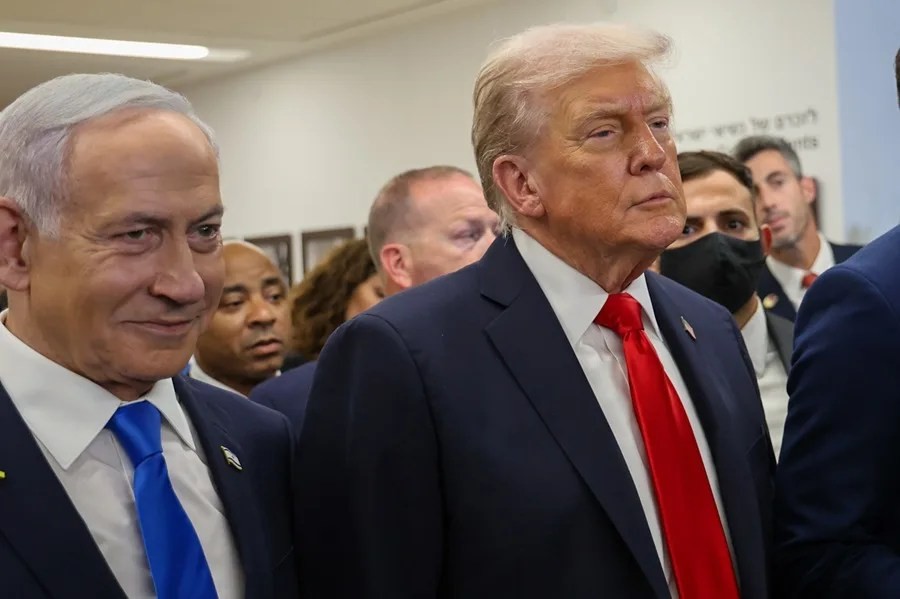
In a move that has left Washington and its allies puzzled, Israeli Prime Minister Benjamin Netanyahu declined President Donald Trump’s invitation to attend the Gaza peace plan signing ceremony in Egypt. Officially, Netanyahu cited the proximity of the Simjat Torá Jewish holiday as the reason for his absence from what was billed as a historic peace summit in Sharm el-Sheikh.
While religious observance is unquestionably important, one must ask: in an era when America boldly advances a peace framework aiming to stabilize one of the world’s most volatile regions, how can Israel’s leadership afford to sideline itself? The absence of Israel’s prime minister from such a crucial moment sends a worrying signal—not only to Palestinians and mediators but also to American taxpayers who expect their government’s diplomatic efforts to be fully backed by its closest allies.
Is Israel Missing a Strategic Moment Amid America’s Bold Peace Push?
President Trump convened this summit as part of his America First approach to national security—emphasizing pragmatic solutions to longstanding conflicts that threaten regional stability and, by extension, the safety and prosperity of the United States. The presence of global leaders including Spain’s Pedro Sánchez and the UK’s Keir Starmer underscored the international importance attached to this effort.
Yet, Netanyahu’s nonattendance risks undermining these efforts by appearing disengaged or uncooperative at a critical juncture. American leadership has demonstrated a commitment to securing peace and combating terrorism that directly imperils American citizens, especially given Hamas’ control over Gaza. The U.S.’s active role in securing Israeli hostages’ release further reflects this vested interest.
What Does This Mean for America’s Interests and Israel’s Sovereignty?
Israel is America’s most trusted partner in a region where sovereignty and security are under constant threat. The willingness of our ally to participate fully in diplomatic initiatives aligned with American strategy is essential. While respect for cultural and religious traditions must be balanced thoughtfully, strategic priorities cannot be sidelined when America steps forward with bold plans that serve our shared values of freedom and security.
For hardworking Americans funding these diplomatic efforts, it is reasonable to expect their partners on the ground take full advantage of opportunities that promote peace and stability—especially those championed by an administration committed to strong alliances and firm stances against terrorism.
The lesson here is clear: leadership demands tough choices. When global peace hinges on cooperation, no ally can afford to appear absent or disengaged without consequences. Washington must continue pushing for results that reinforce national sovereignty and security both for Israel and for America.