
Nepal’s Youth-Led Election Reveals the Global Struggle Against Corruption and Instability
As Nepal votes after a violent youth-led revolt ousts entrenched elites, the election highlights global challenges of corruption, governance failures, and geopolitical pressures—issues America must vigilantly monitor.
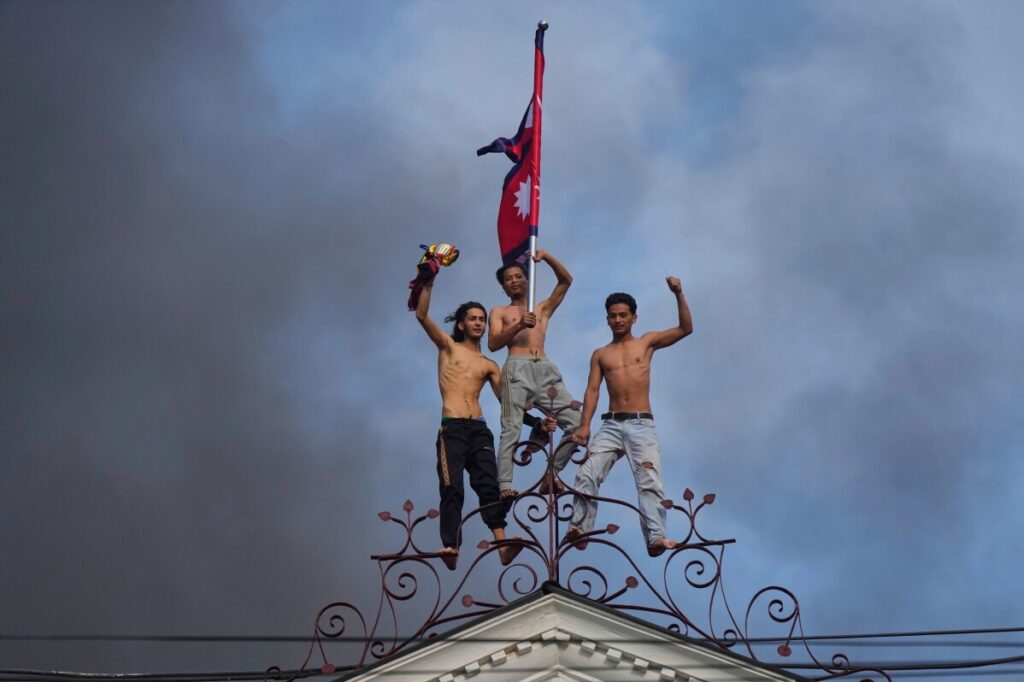
In a dramatic demonstration of popular dissent against entrenched corruption, Nepal opened polls for its first nationwide election since last year’s violent youth-led uprising toppled the government. This Himalayan nation’s political crisis is more than a local event—it reflects the broader global struggle against corrupt regimes and ineffective governance that threaten national sovereignty and stability worldwide.
Why does Nepal’s turmoil matter to America? While thousands of miles separate us, instability anywhere can ripple across borders, affecting geopolitical balances. Nepal sits strategically between China and India—two powers with competing interests. A government weakened by internal chaos risks falling under external influence, jeopardizing regional stability that directly impacts American strategic interests.
Is This Election a Step Toward Real Accountability or Merely Another Power Shuffle?
The election takes place under tight security restrictions: bans on vehicle movement, political rallies, and campaigning on voting day reflect an administration fearful of further unrest. Nearly 19 million voters face choosing among traditional parties long accused of corruption—the Nepali Congress and the Communist Party—and a rising third force led by Balendra Shah, a rapper-turned-politician who capitalized on widespread public anger.
Shah symbolizes the frustrated youth demanding change after protests ignited by heavy-handed government censorship escalated into deadly clashes. Yet his party’s promises must be measured against the hard reality: systemic corruption is deeply entrenched. Genuine reform requires more than new faces; it demands structural changes grounded in transparency and accountability—principles at the core of any sovereign nation’s strength.
What Lessons Should America Draw From Nepal’s Political Crossroads?
Nepal’s challenges echo ours: combating corrupt elites who erode trust in institutions; protecting freedoms from authoritarian overreach; ensuring governments serve their people transparently rather than globalist interests. The rise of youthful insurgents signals a yearning for freedom and accountable governance that aligns with America First values.
As Nepal embarks on this tentative electoral path forward, Washington must watch closely. Supporting genuine sovereignty and democratic reforms abroad fortifies our own national security against destabilizing influences from authoritarian regimes eager to expand their reach.
How long will global elites ignore these warning signs before chaos spreads closer to home? For hardworking Americans valuing liberty and national strength, vigilance abroad translates to security at home.