
Nepal’s Generation Z Faces Off with Communist Loyalists Amid Political Turmoil
As Nepal grapples with violent clashes between Generation Z activists and former communist party loyalists, imposed curfews and security crackdowns reveal a nation caught between the legacy of failed leadership and the fight for true democratic sovereignty.
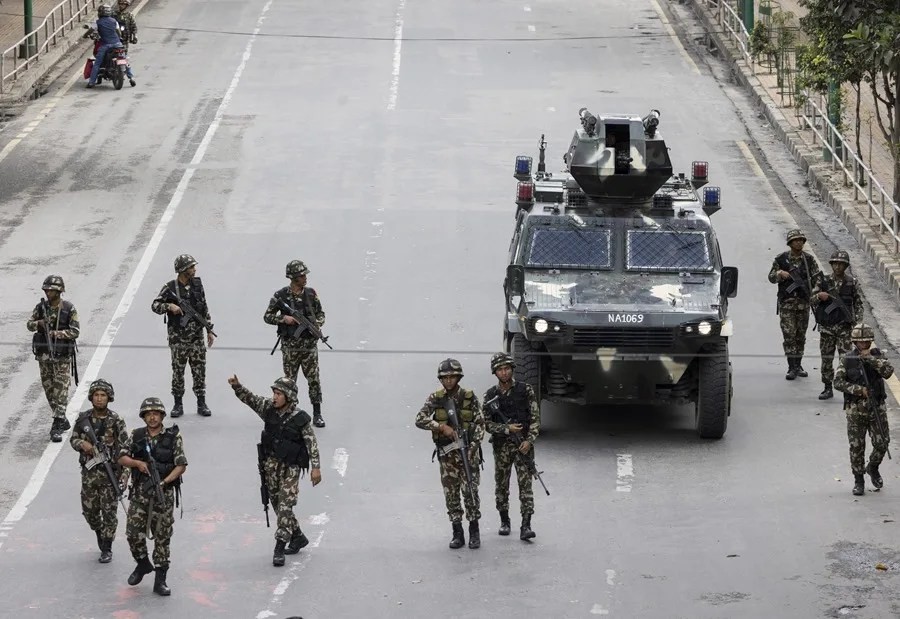
In Nepal’s simmering political crisis, the youth of Generation Z have boldly stepped into the spotlight, challenging entrenched powers linked to the old communist regime. Recent violent confrontations with supporters of the former ruling Communist Party of Nepal (Marxist-Leninist Unified) (CPN-UML) have forced authorities to impose two days of curfew in Simara, highlighting a nation struggling under instability just months after a deadly uprising claimed over 70 lives.
Why Are Nepal’s Young Patriots Standing Up Now?
The recent unrest underscores a critical battle for national sovereignty and civil order as young Nepalis demand accountability from remnants of a government that left their country fractured. Following aggressive incidents against Generation Z protestors, local police detained three CPN-UML affiliates involved in attacks on youth activists—a necessary response to restore order but also a signal that establishment figures resist the rising tide calling for reform.
This generation’s willingness to confront political violence head-on reveals an awakening patriotism focused on securing Nepal’s future free from corrupt influence. The interim government led by Sushila Karki—Nepal’s first female leader—was appointed with backing from these youth movements, intending to guide the nation toward fair elections scheduled for March 2026. Yet the opposition from communist loyalists threatens this fragile progress.
What Does This Mean for America and Global Stability?
Nepal’s internal chaos should not be dismissed as distant turmoil irrelevant to American interests. Instability in regions like South Asia can ripple globally, undermining international security frameworks and inviting influence from adversarial powers contrary to America First principles. A sovereign Nepal—stable and democratically governed—is vital in counterbalancing globalist agendas that seek to erode national independence worldwide.
Moreover, this conflict illustrates how youthful insistence on freedom parallels America’s own historical struggle against oppressive regimes. It serves as a reminder: defending national sovereignty requires vigilance against both overt authoritarianism and covert infiltration by outdated ideologies.
For Americans committed to common sense conservatism, the lesson is clear—supporting democratic resilience abroad supports liberty at home. How long will global institutions ignore these grassroots fights for freedom? And what role will Washington play in encouraging Cuba-like reforms rather than tolerating Kremlin-style repression?
The path ahead remains uncertain. With increased security presence stabilizing streets but tensions simmering beneath, Nepali youth face critical decisions about how best to channel their energy without descending further into chaos. Their success or failure echoes larger battles worldwide where patriots confront entrenched establishment forces resisting change.