
Nepal’s Fragile Interim Government Faces Uphill Battle Amid Violent Upheaval
After deadly protests toppled Nepal’s previous government, newly appointed interim prime minister Sushila Karki must navigate political chaos and rebuild trust—while the costs of instability ripple far beyond Nepal’s borders.
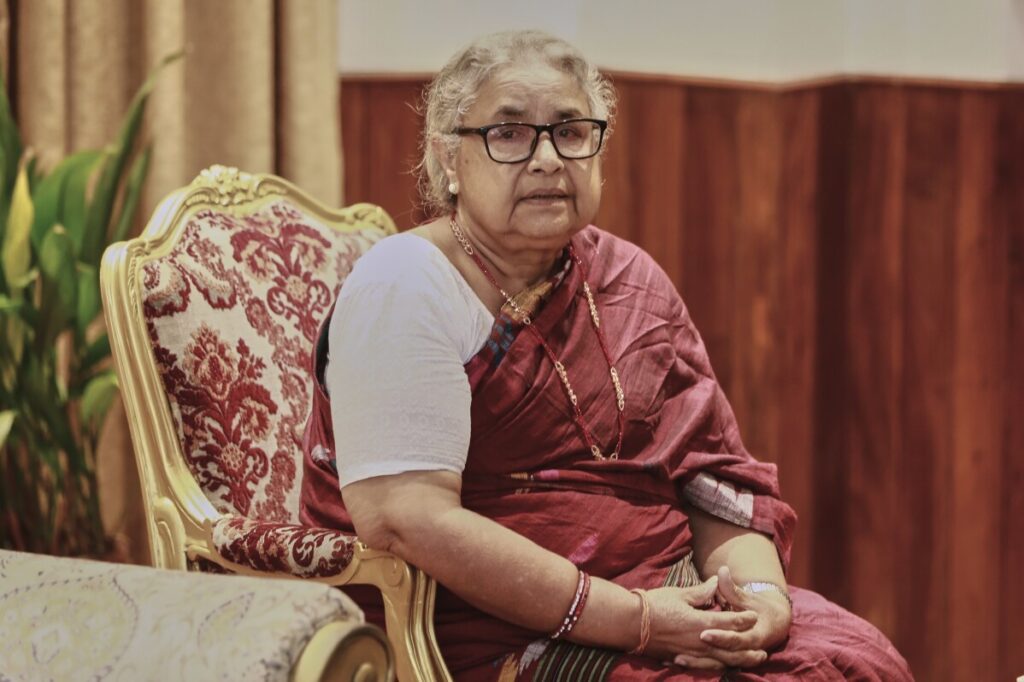
Nepal stands at a crossroads. Following weeks of violent unrest that claimed at least 72 lives, the appointment of three new ministers by interim Prime Minister Sushila Karki signals an urgent effort to restore order and prepare for elections in March. But beneath the surface, this Himalayan nation grapples with deep-rooted corruption, social upheaval, and an erosion of sovereign governance that demands a critical eye.
Is This New Leadership Enough to Halt the Downward Spiral?
Karki, Nepal’s first female prime minister and former Supreme Court chief justice known for her anti-corruption stance, now faces the daunting task of stabilizing a fractured country. Her cabinet additions—including Kalman Gurung as energy minister, Rameshore Khanal as finance minister, and Om Prakash Aryal as home minister—are aimed at addressing core governance challenges. Yet one must ask: can these appointments truly break the cycle of government dysfunction that sparked violent street protests?
The backdrop is stark: Gen Z-led demonstrations erupted over a social media ban but quickly morphed into widescale outcry against rampant corruption and inequality—hallmarks of weak institutions vulnerable to malicious influence. Protesters attacked key government buildings such as Parliament, the Supreme Court, and even police stations. Business assets linked to political elites also suffered damage amid public fury at so-called “nepo kids” enjoying privileged lives while ordinary citizens languish.
Why Should America Care About Nepal’s Tumult?
While thousands of miles away, instability in Nepal underscores a broader global truth: weak governments invite external interference and foster environments where radical ideologies can take root—threatening regional security in South Asia and indirectly impacting American interests.
Moreover, Nepal’s struggles highlight what happens when governance fails its people by tolerating corruption and ignoring calls for economic equity—phenomena mirrored too often here at home when elites sideline common sense for short-term gains. This serves as a cautionary tale reinforcing why America must remain vigilant in promoting sovereign self-governance and supporting allies who uphold freedom over factionalism.
Karki acknowledges her government’s temporary nature but asserts commitment to ending corruption and achieving good governance within six months. Yet without structural reforms addressing systemic rot—not just superficial reshuffling—the risk remains that disorder will return with fresh elections.
This unfolding crisis begs hard questions: How long will globalist distractions prevent focus on restoring true national sovereignty? Can leaders like Karki rise above political theater to deliver tangible change? The answers bear directly on our shared values of liberty and security.
The American public should watch closely not only because stability abroad matters but because these failures abroad foreshadow vulnerabilities here if we do not learn from them.