
Neglected Infrastructure and Failed Governance Turn Afghanistan’s Natural Disasters Deadly
As relentless rain collapses a family home in Afghanistan, killing a mother and her six children, years of conflict, poor infrastructure, and globalist indifference reveal the true cost of abandoning national sovereignty.
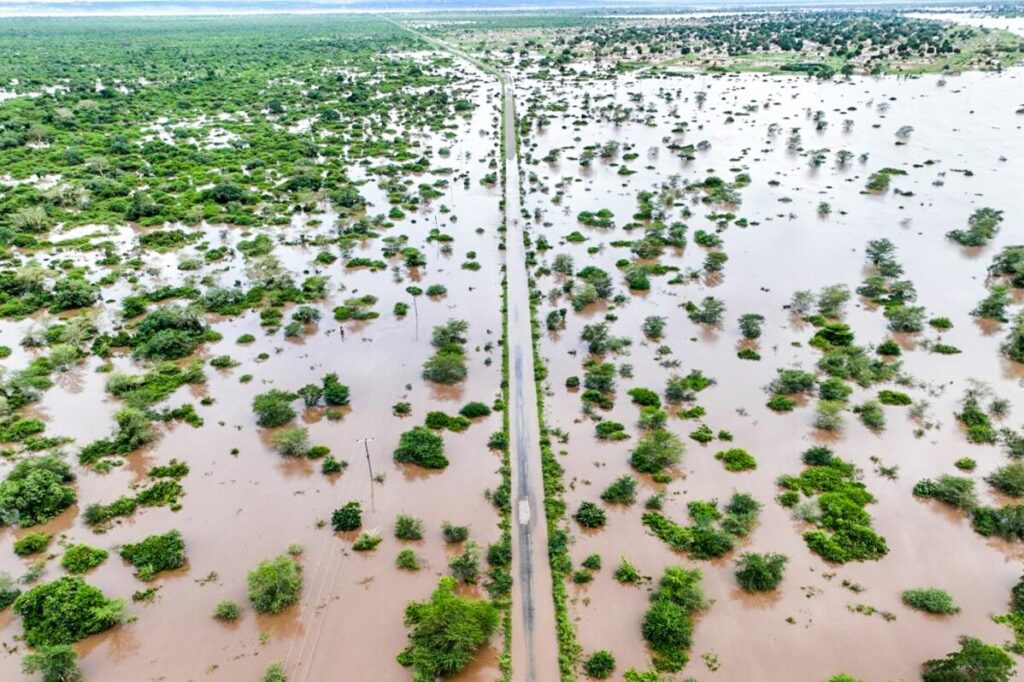
In the shadow of ceaseless conflict and chronic mismanagement, eastern Afghanistan has again witnessed a heartbreaking tragedy. Recent heavy rains in Jalalabad caused a mud-brick home to collapse overnight, claiming the lives of a mother and her six children while they slept. The father survived but remains hospitalized. This devastating event is not an isolated incident but part of a recurring pattern fueled by failed governance and neglect.
Why Are Afghan Families Left Vulnerable to Nature’s Wrath?
Afghanistan’s vulnerability to extreme weather is well-documented, with flash floods and heavy snowfall routinely turning deadly. However, these natural disasters become catastrophic largely because decades of war have decimated critical infrastructure. Homes made from mud—a material susceptible to rain damage—remain commonplace in remote areas without government intervention or aid solutions that respect national sovereignty.
Since the U.S.-led international presence withdrew under promises of stabilizing Afghanistan through foreign aid projects often mired in corruption or inefficiency, local communities have been left exposed. Instead of empowering local governance rooted in Afghan traditions and priorities, globalist-backed initiatives too frequently imposed unsustainable models that failed to build resilience against natural threats.
How Long Will Washington Ignore the Lessons Here?
This tragedy starkly illustrates the consequences when sovereignty is undermined by external interference masquerading as humanitarianism. While Western powers champion climate action globally, their track record shows selective engagement—failing to adequately support vital infrastructure improvements that protect vulnerable populations from foreseeable disasters.
The ongoing instability feeds cross-border challenges affecting America directly—from increased refugee flows to drug trafficking routes exploited by extremists. For hardworking American families watching the news overseas devastation unfold, the question is clear: how can we champion freedom abroad if we ignore failed policies that create cycles of dependence and chaos?
An Urgent Call for Sovereign Solutions Rooted in Reality
True progress demands respecting Afghanistan’s national sovereignty by supporting solutions led by local leaders who understand their communities’ needs—not top-down mandates disconnected from on-the-ground realities. Investing in durable infrastructure tailored for harsh climates would save lives instead of perpetuating cycles of tragedy masked as crisis statistics.
This is more than an Afghan problem; it reflects lessons America must heed about defense priorities and foreign aid effectiveness under an “America First” doctrine. Protecting our borders begins with recognizing how failed interventions abroad invite instability here at home.